10 Easy DIY Pallet Planter Ideas for Beginners
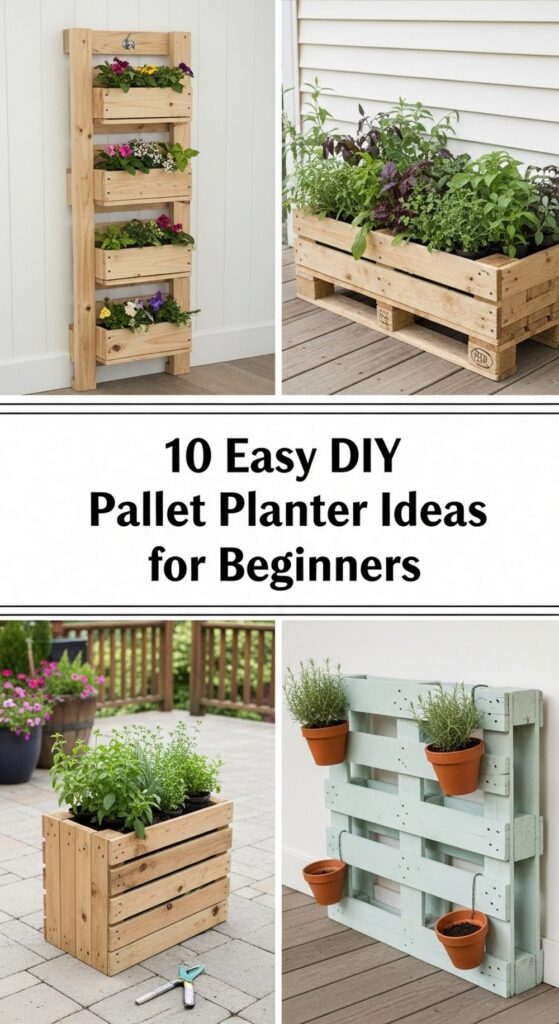
If you love the look of lush, plant-filled gardens but feel unsure where to start, pallet planters are a gentle way into DIY. Old pallets are easy to find, beginner-friendly to work with, and perfect for turning a plain corner into something green and beautiful.
In this guide, you’ll discover ten simple DIY pallet planter ideas that even first-timers can handle. Most projects need just basic tools, a few screws, and some plants or seeds. You’ll learn how to add height, color, and personality to your space, whether you have a big backyard, a balcony, or just a small patio.
Quick List
- Simple Single-Row Herb Pallet Planter
- Leaning Vertical Pallet Flower Garden
- Pallet Planter With Terracotta Pots
- Color-Washed Pallet Wall Planter
- Tiered Pallet Strawberry Planter
- Rail-Hanging Pallet Balcony Planter
- Rustic Pallet Succulent Shelf
- Pallet Planter Box On Wheels
- Narrow Pallet Veggie Grow Bar
- Mini Pallet Planter For Small Corners
1. Simple Single-Row Herb Pallet Planter
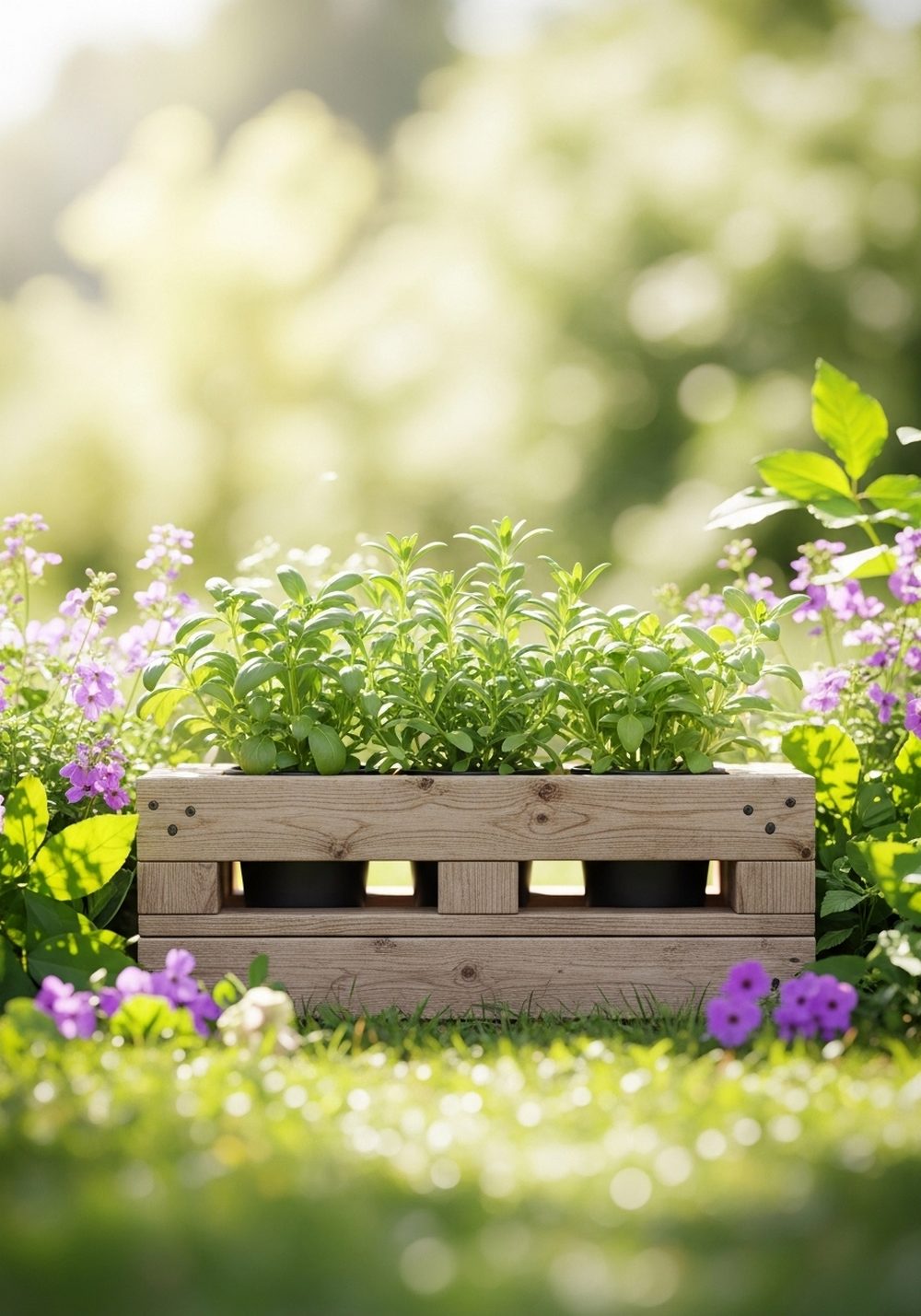
A single-row herb pallet planter is a great first project if you’ve never built anything before. Lay your pallet flat, choose one open row, line it with landscape fabric or plastic with drainage holes, and fill it with potting mix. Plant easy herbs like mint, basil, or parsley along the row so you have a neat, organized strip of green. The long shape looks clean against a fence, wall, or along a path, and it brings fresh fragrance and flavor right to your garden.
- Best For: Beginners and small patios or kitchen-side corners.
- Budget Tip: Use a reclaimed pallet and leftover paint or stain for a nearly free build.
- Styling Idea: Choose all-green herbs for a calm look, or mix in purple basil and chives for color.
- Practical Note: Place it where you can easily reach for cooking, and make sure drainage holes are clear.
- Care & Maintenance: Trim herbs regularly to keep them compact and healthy.
2. Leaning Vertical Pallet Flower Garden

A leaning vertical pallet flower garden turns a plain fence or wall into a living feature. Stand the pallet upright and lean it securely against a solid surface. Close off the back with landscape fabric or boards so soil stays in, then fill each horizontal space with potting mix and tuck in trailing flowers or compact blooms. As plants spill over the edges, you’ll get a waterfall effect of color and texture that instantly softens hard surfaces.
- Best For: Bare fences, walls, or garage sides that need a visual lift.
- Budget Tip: Start with just a few plants in the middle row, then fill other rows over time.
- Styling Idea: Use one color family (all pinks, all whites) for a calm, coordinated feel.
- Practical Note: Secure the pallet at the top so it can’t tip in wind.
- Care & Maintenance: Water from the top and let it trickle down, checking that lower rows don’t dry out.
3. Pallet Planter With Terracotta Pots
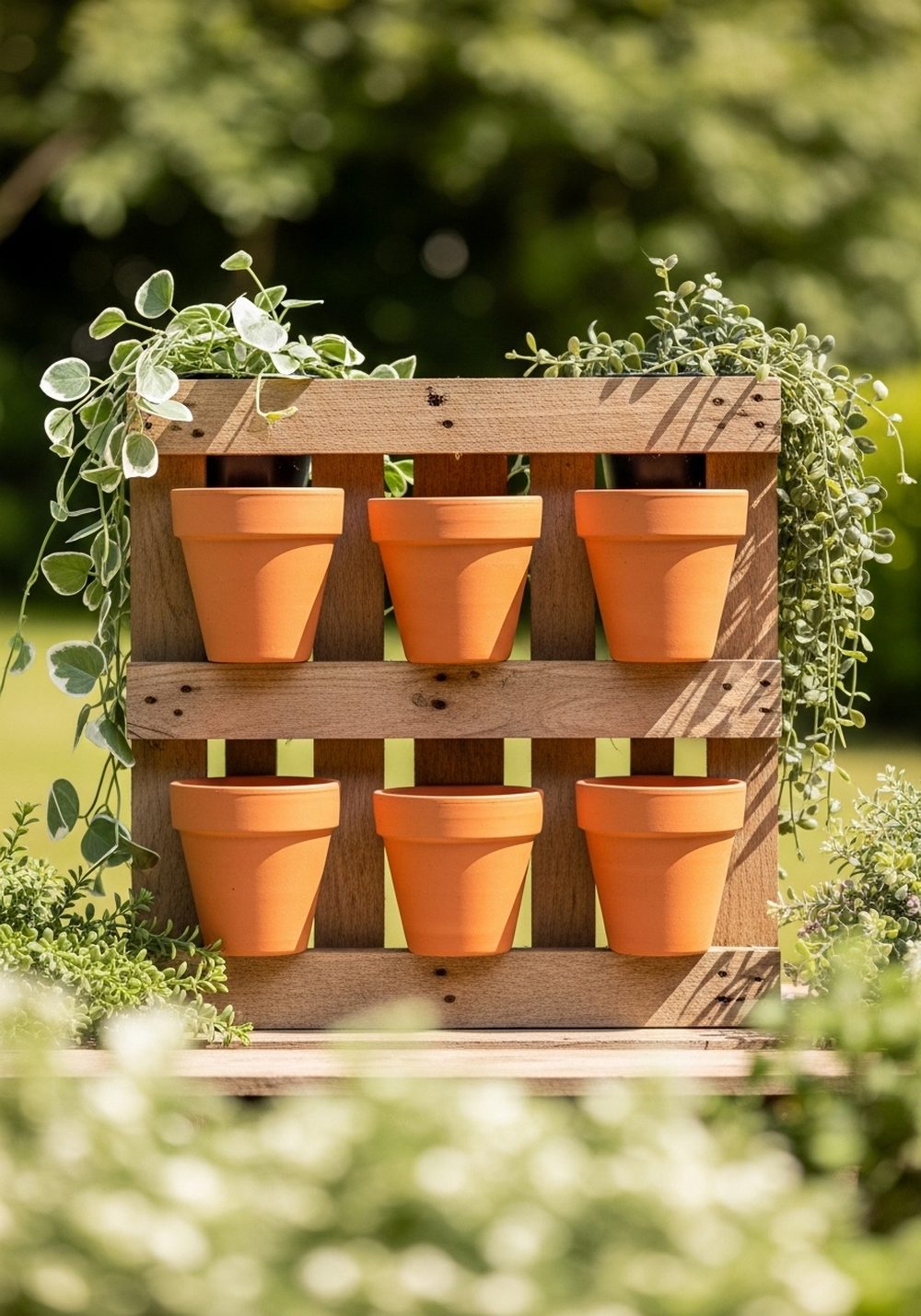
Instead of filling the pallet with soil, you can slip terracotta pots into the slats. This keeps things tidy and lets you swap plants whenever you like. Stand the pallet upright, then arrange small pots between the boards so they sit snugly. Fill them with herbs, small flowers, or succulents. The warm color of terracotta against the rustic wood gives a classic, cozy look, and the repeating shapes add rhythm and structure to your garden decor.
- Best For: Renters who want removable, flexible planting.
- Budget Tip: Mix new terracotta pots with second-hand finds or simple plastic pots painted to match.
- Styling Idea: Use matching pots for a clean look, or mix sizes and heights for a more boho style.
- Practical Note: Make sure pots are secure; add small brackets or wire if needed.
- Care & Maintenance: Remove pots to water deeply, then put them back once they’ve drained.
4. Color-Washed Pallet Wall Planter
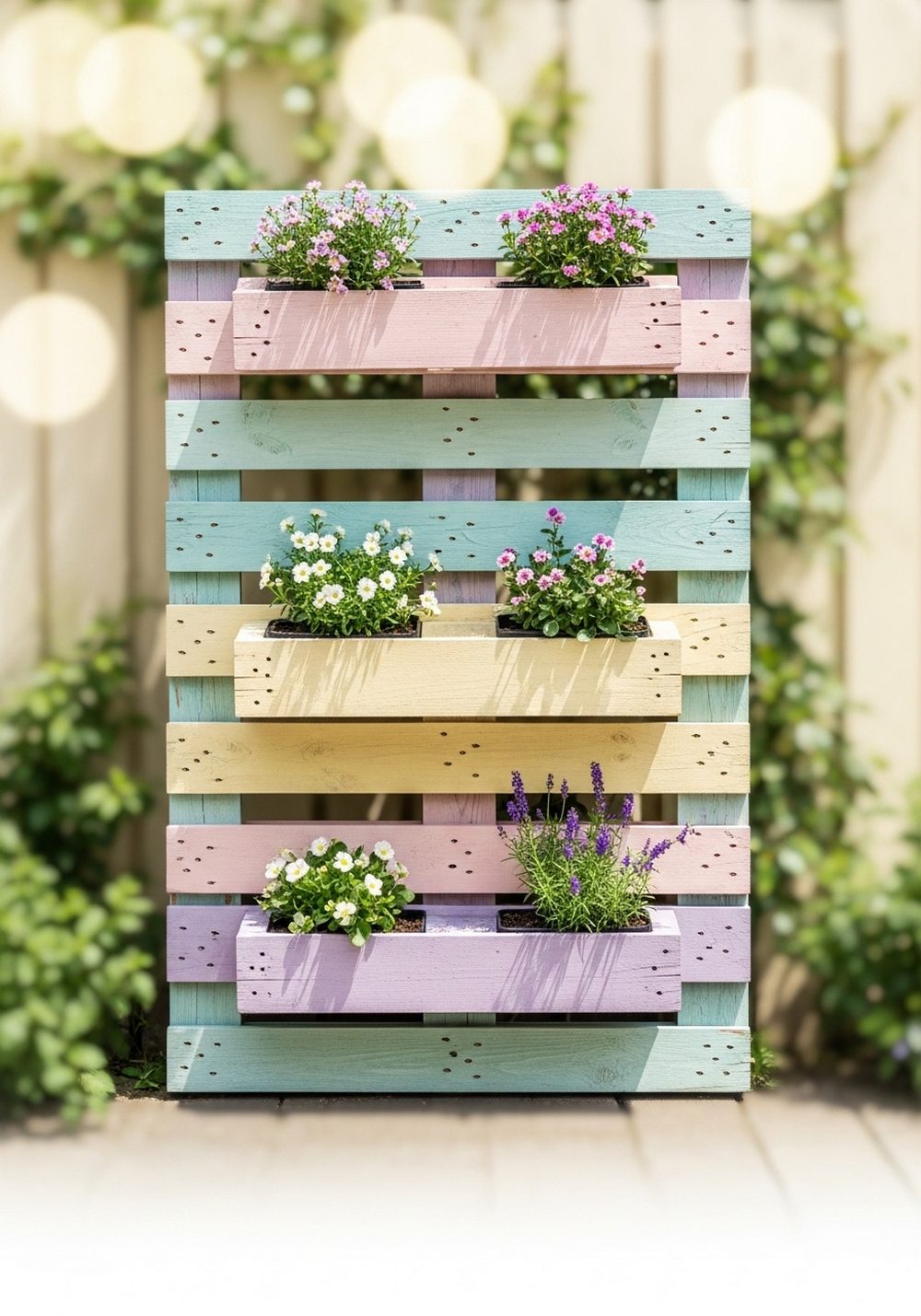
A color-washed pallet wall planter brings both paint and plants into your space. Lightly sand the pallet, then brush it with watered-down paint so the wood grain still shows through. Once dry, attach small planter boxes or staple pockets of landscape fabric to the front and fill with soil and compact plants. Hanging it on a wall creates a framed, almost art-like display where the soft color behind the foliage feels cheerful and modern.
- Best For: Covered patios, outdoor dining areas, or entry walls.
- Budget Tip: Use leftover indoor paint, thinned with water, to create the wash.
- Styling Idea: Choose soft blues, greens, or blush tones to complement natural leaf colors.
- Practical Note: Use strong wall anchors and check the weight once filled with soil.
- Care & Maintenance: Refresh the color wash every couple of years if it fades.
5. Tiered Pallet Strawberry Planter

A tiered pallet strawberry planter lets you grow lots of berries in a small footprint. By creating soil-filled pockets along several levels of the pallet, each row becomes its own strawberry strip. Plant strawberries so they can spill gently over the edges. As they grow, red fruit will hang against the neutral wood for a pretty and productive display. The tiered structure also makes it easy to see and pick fruit before birds or slugs get to it.
- Best For: Sunny spots where you want both beauty and harvest.
- Budget Tip: Start with small strawberry plants or runners, which are cheaper than mature plants.
- Styling Idea: Add straw or bark mulch on the soil surface for a neat, cottage-garden look.
- Practical Note: Raise the pallet slightly off the ground to improve drainage.
- Care & Maintenance: Water regularly and feed with a simple fruit fertilizer during growing season.
6. Rail-Hanging Pallet Balcony Planter
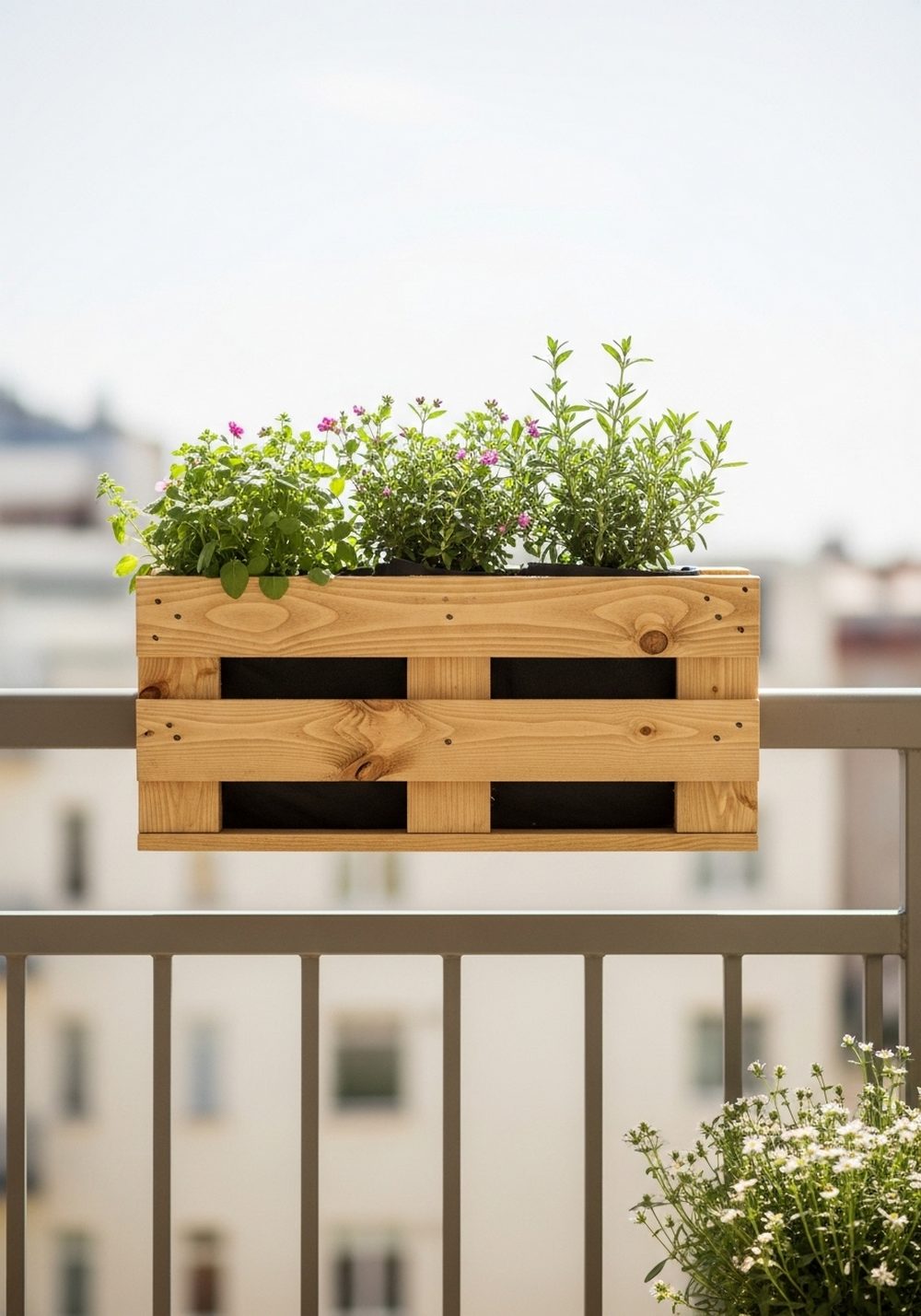
On a balcony or deck, a rail-hanging pallet planter makes use of the railing instead of floor space. Cut your pallet down to a compact size, then attach sturdy hooks or brackets to hang it over the rail. Create shallow troughs or pockets along the front and fill them with lightweight potting mix and herbs or flowers. This adds instant greenery at eye level without cluttering the floor, and it can make even a small balcony feel lush and inviting.
- Best For: Small balconies, decks, and rental spaces with limited room.
- Budget Tip: Choose lightweight plastic inserts or fabric grow bags to reduce weight and cost.
- Styling Idea: Plant trailing flowers on the outside and scented herbs on the inside for a sensory mix.
- Practical Note: Check your rail strength and building rules before hanging anything heavy.
- Care & Maintenance: Use water-retentive soil and water slowly so it doesn’t drip on neighbors below.
7. Rustic Pallet Succulent Shelf
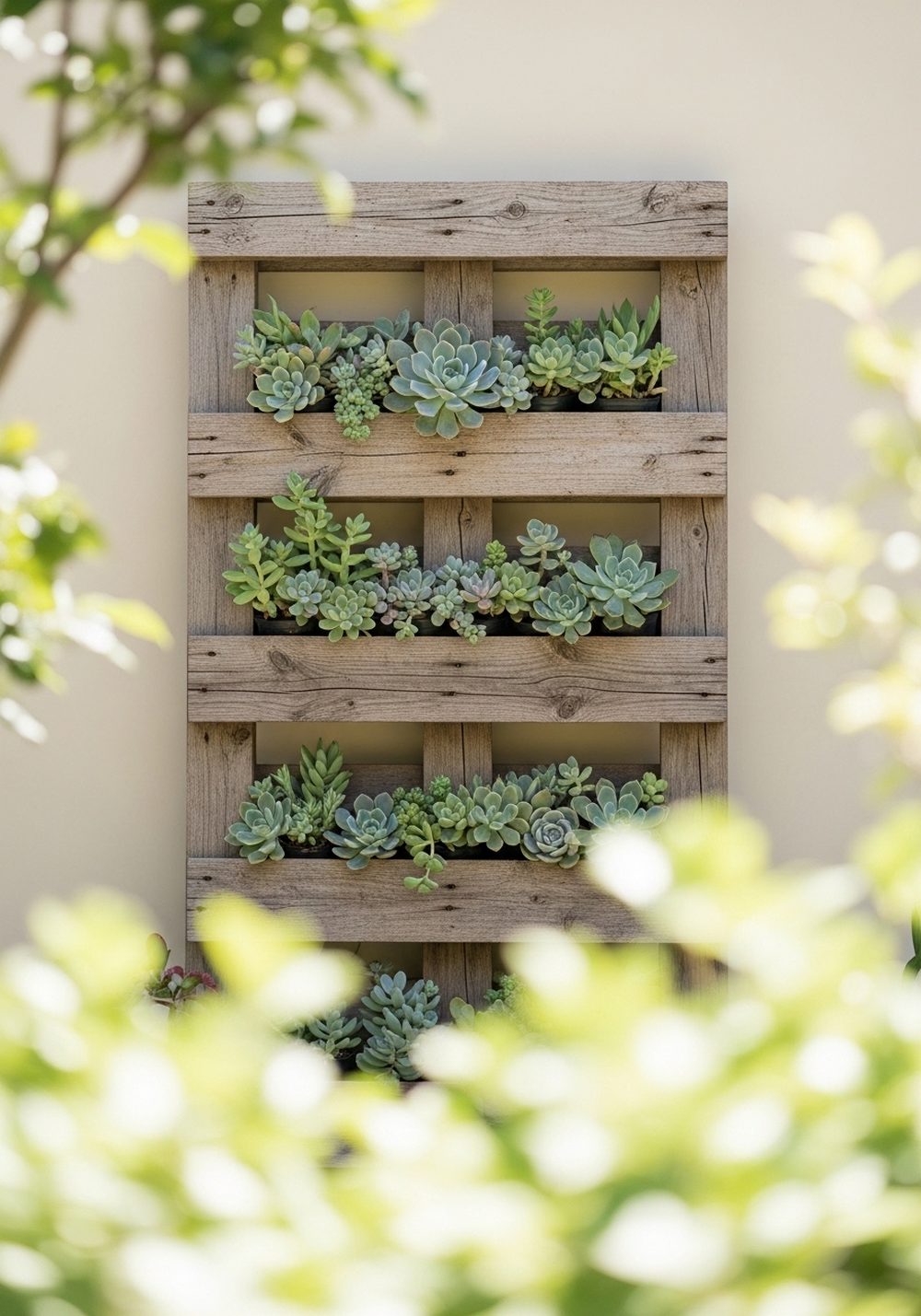
Succulents are ideal for beginners, and a pallet shelf suits them perfectly. Add a few simple boards across the front of the pallet to create shallow ledges that act as shelves. Arrange small succulent pots along each level, mixing shapes and heights for interest. The rough wood and sculptural plants together create a natural, rustic display that looks good all year, even in drier climates. It’s like having a mini plant gallery on your wall or fence.
- Best For: Sunny, sheltered spots with low rainfall.
- Budget Tip: Propagate succulents from cuttings instead of buying many full plants.
- Styling Idea: Stick to grey-green and blue-green varieties for a calm, modern scheme.
- Practical Note: Ensure shelves are level and secure so pots can’t slide off.
- Care & Maintenance: Water lightly and let soil dry out between waterings to avoid rot.
8. Pallet Planter Box On Wheels
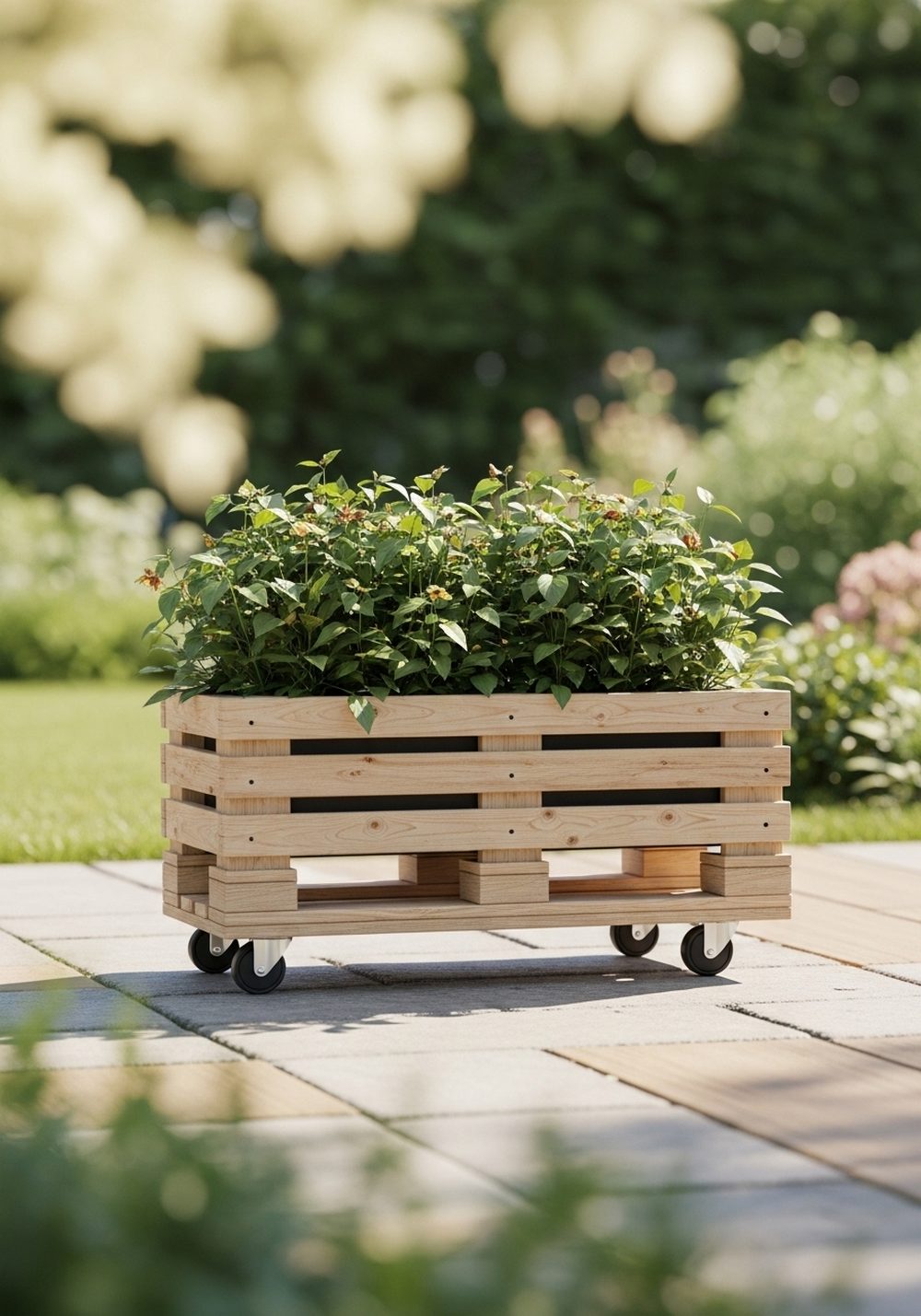
Adding wheels to a pallet planter turns it into a mobile garden box you can move with the sun or tuck away when needed. Build a simple rectangular box from pallet boards, add a base, then screw on four caster wheels. Line it with landscape fabric, fill with potting mix, and plant flowers, herbs, or small shrubs. The box-style planter gives clean lines and structure, while the ability to roll it around makes it very practical for changing layouts.
- Best For: Patios, courtyards, and spaces that host gatherings or need flexible layouts.
- Budget Tip: Look for second-hand casters or salvage wheels from old furniture.
- Styling Idea: Paint the box a soft neutral or charcoal to contrast with bright blooms.
- Practical Note: Use lockable wheels so the planter doesn’t roll on slopes.
- Care & Maintenance: Check wheel screws yearly and reline the inside if the fabric wears out.
9. Narrow Pallet Veggie Grow Bar
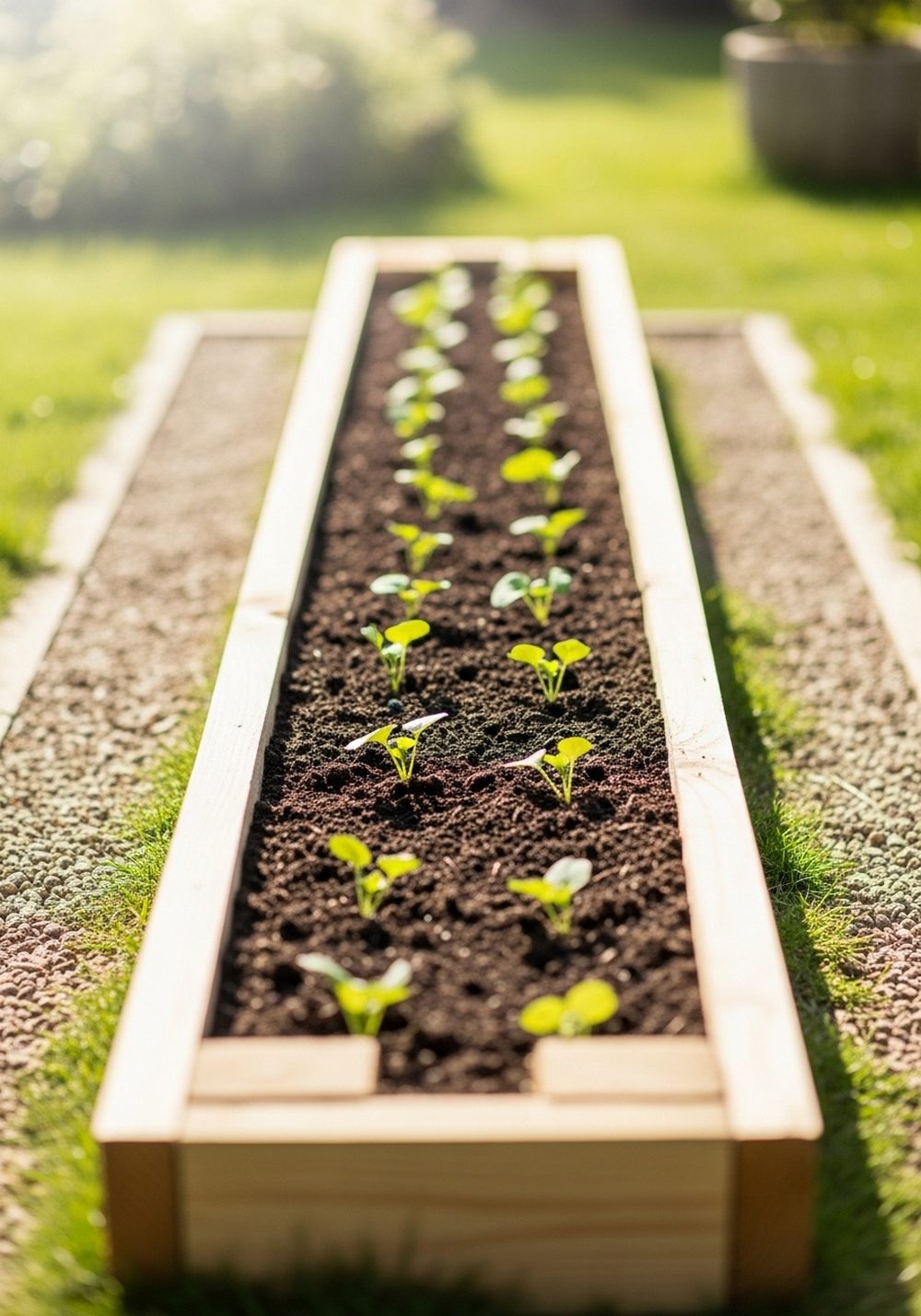
The narrow grow bar is like a slim raised bed made from pallet boards, perfect for lining a path or edging a patio. Build a long, shallow box using the straightest boards from your pallet, then fill it with rich soil. Plant salad leaves, radishes, or dwarf beans in neat rows. The slim shape keeps everything tidy while still giving you a surprising amount of harvest, and the defined edges help your garden look ordered and intentional.
- Best For: Along fences, paths, or between stepping stones.
- Budget Tip: Mix homemade compost with store-bought soil to save money.
- Styling Idea: Place matching grow bars in a row for a modern, kitchen-garden feel.
- Practical Note: Avoid making it too wide; you should easily reach the middle from one side.
- Care & Maintenance: Sow new seeds every few weeks for a continuous supply.
10. Mini Pallet Planter For Small Corners

Even the tiniest corner can host a bit of greenery with a mini pallet planter. Cut the pallet down to a compact square or rectangle, sand the edges, and create one or two shallow planting pockets. Fill with potting mix and plant low-growing flowers, thyme, or small grasses. Tucked beside steps, near a door, or in a corner of the balcony, it works like a little accent piece that softens edges and makes the area feel more cared for and welcoming.
- Best For: Small corners, stair edges, and tight balcony areas.
- Budget Tip: Use offcut pallet pieces and leftover plants from other projects.
- Styling Idea: Choose a single plant type for a simple, “designer” look in a tiny footprint.
- Practical Note: Make sure there’s enough drainage so water doesn’t pool near walls or doors.
- Care & Maintenance: Refresh plants seasonally if the space is very hot or shady.
Conclusion
Pallet planters are a friendly way to dip into DIY while transforming your outdoor space. With just one old pallet, a few tools, and some plants, you can add height, color, and personality to walls, rails, and forgotten corners. Start with the simplest idea that suits your space, then build your confidence and collection from there. Over time, these small projects can turn even a modest garden or balcony into a green, welcoming retreat.
FAQs
1. How can I make a pallet planter on a very small budget?
Look for free or low-cost pallets from local businesses, then keep the design simple. Use basic screws, leftover paint, and affordable potting mix. Start with a few hardy plants or seeds rather than fully grown plants, and add more as your budget allows. Many of these ideas can be built in stages so you don’t have to buy everything at once.
2. Are pallet planters safe for renters who can’t make permanent changes?
Yes, many pallet planters are completely freestanding or can be hung with removable brackets. Choose designs that lean against walls, rest on the ground, or hang over balcony rails without drilling permanent holes. If you need to move out, you can simply take the planter with you and restore the space easily.
3. What should I do to make pallet planters weather-resistant and long-lasting?
Lightly sand the pallet, then seal it with an outdoor wood treatment or paint to protect against moisture and sun. Keep the wood off bare soil by raising it slightly on feet, bricks, or wheels, and always include drainage holes so water doesn’t sit inside. Checking for loose nails or screws once a year also helps keep everything sturdy and safe.
4. Do any of these ideas work for tiny balconies or patios?
Absolutely. The rail-hanging balcony planter, mini pallet corner planter, and simple herb row are all space-saving designs. They focus on vertical surfaces and narrow footprints, so you still have space to move and sit. Choose compact plants and shallow roots, and avoid very heavy soil mixes if your balcony has weight limits.
5. How do I mix plants and decor without making things feel cluttered?
Pick a simple color palette for flowers and pots, then repeat those colors across your pallet planters. Use the structure of the pallet to keep plants in clear rows or pockets so the layout feels organized. Leaving some empty space, such as a bare board or a row of identical pots, gives the eye a place to rest and stops the display from feeling too busy.
6. What are the easiest pallet planter ideas for complete beginners?
The single-row herb pallet, mini corner planter, and terracotta pot pallet are great starting points. They require minimal cutting and use simple shapes that are easy to understand. Begin with one of those, get comfortable with handling wood and soil, and then move on to vertical gardens or wheeled boxes as your confidence grows.


