
10 Creative Garden Art Ideas For A Stunning Outdoor Oasis

If your garden feels a bit plain, a few pieces of creative garden art can completely transform it into a stunning outdoor oasis. You don’t need a massive budget or professional skills; just a few thoughtful touches can add charm, personality, and a sense of magic to your space.
Whether you have a small courtyard, a family backyard, or a compact balcony, these ideas will help you bring in color, texture, and character. From handmade mosaics to playful sculptures, you’ll find simple projects you can tackle over a weekend and enjoy all season long.
Quick List
- Statement Mosaic Stepping Stones
- Whimsical Recycled Bottle Borders
- Sculptural Plant Support Obelisks
- Hanging Metal Garden Orbs
- Painted Fence Art Panels
- Mirrored Garden Illusion Wall
- Driftwood and Stone Garden Totems
- DIY Clay Pot People Sculptures
- Rain Chain Water Feature
- Shadow-Play Silhouette Screens
1. Statement Mosaic Stepping Stones

Mosaic stepping stones turn a simple garden path into a piece of art you walk on. Use plain concrete pavers or stepping stone molds and press in broken tiles, china, glass gems, or even sea glass to form patterns, spirals, or flowers. Set them along a path or between beds so glimpses of color pop through the greenery. The sparkle of glass against dark soil and fresh leaves creates a beautiful contrast and guides the eye through your garden.
- Best For: Paths through flower beds, herb gardens, or a focal route to a seating area.
- Budget Tip: Collect chipped plates, leftover tiles, and jars of mixed glass instead of buying new materials.
- Styling Idea: Choose a simple color palette—like blues and whites or warm terracotta tones—for a more cohesive, calm look.
- Practical Note: Make sure surfaces are level and smooth enough to walk on comfortably, with sharp edges pressed firmly into grout.
- Care & Maintenance: Brush off debris regularly and re-grout or seal if pieces become loose over time.
2. Whimsical Recycled Bottle Borders

Recycled bottle borders add sparkle and personality while keeping glass out of landfill. Collect glass bottles in different colors, remove labels, and bury them upside down along the edge of beds or paths so just the necks or shoulders peek out. When sunlight hits, the glass glows like little jewels beside the plants. Curved lines work especially well, following the natural shape of beds and softening straight paths. It’s a playful, eco-friendly way to define spaces and highlight plantings.
- Best For: Informal beds, cottage-style gardens, and playful family yards.
- Budget Tip: Ask friends, neighbors, or local cafés to save bottles for you instead of buying new glass.
- Styling Idea: Use mostly one color (like green or blue) with just a few contrasting pieces to avoid a chaotic look.
- Practical Note: Push bottles deeply into the soil so they’re firmly anchored and won’t wobble or tip.
- Care & Maintenance: Rinse occasionally or wipe with a cloth if algae or dirt builds up on the glass.
3. Sculptural Plant Support Obelisks

Obelisks double as practical plant supports and striking sculptural pieces. Create them from simple metal rods, bamboo canes, or pruned branches tied together in a pyramid shape. Position them in pots or beds and plant climbers such as sweet peas, beans, or small roses at the base. As the plants grow, they wrap around the structure, creating a living tower of foliage and flowers. Even bare in winter, the framework adds height and interest in an otherwise flat bed.
- Best For: Adding vertical drama in small gardens or framing entryways and focal points.
- Budget Tip: Use pruned branches or inexpensive bamboo instead of bought metal frames.
- Styling Idea: Paint wooden or metal obelisks in soft charcoal, sage green, or white to match your overall garden mood.
- Practical Note: Anchor the base firmly and tie climbers gently but securely so they don’t flop in wind or rain.
- Care & Maintenance: Check ties regularly and replace any that cut into stems or have degraded in the weather.
4. Hanging Metal Garden Orbs

Hanging metal orbs bring a sculptural, floating feel to the garden. You can buy pre-made spheres or form your own from flexible metal strips or old barrel hoops. Suspend them from sturdy branches, pergolas, or hooks, and let trailing plants or delicate fairy lights weave inside. They catch the light beautifully and add a sense of movement as they gently sway in the breeze. Group three at different heights for a modern, gallery-like feature outdoors.
- Best For: Mature trees, pergolas, or blank corners that need a focal point above eye level.
- Budget Tip: Repurpose old metal rings, wire baskets, or hanging light frames instead of purchasing new decor.
- Styling Idea: Keep the finish simple—bare metal for rustic charm or matte black for a sleek, contemporary look.
- Practical Note: Use strong chains or weather-resistant cord and secure fixings suitable for outdoor use.
- Care & Maintenance: Check hanging points each season and remove heavy plants if the structure starts to strain.
5. Painted Fence Art Panels

Turn a plain fence into a gallery wall with painted art panels. Use exterior-grade plywood or old cupboard doors, seal them, then paint bold flowers, leaves, or abstract color blocks with outdoor paint. Attach the panels to your fence between climbing plants or above a row of pots so art and greenery sit side by side. The color instantly brightens shaded areas and adds personality, especially in small gardens where vertical surfaces are in full view.
- Best For: Tiny courtyards, narrow side yards, and overlooked fences that dominate the view.
- Budget Tip: Upcycle old wood panels and leftover paints from other projects.
- Styling Idea: Repeat colors from your outdoor cushions, pots, or door to tie everything together.
- Practical Note: Seal all sides and edges of panels to withstand rain and temperature changes.
- Care & Maintenance: Touch up chips and faded spots every couple of years to keep the artwork fresh.
6. Mirrored Garden Illusion Wall
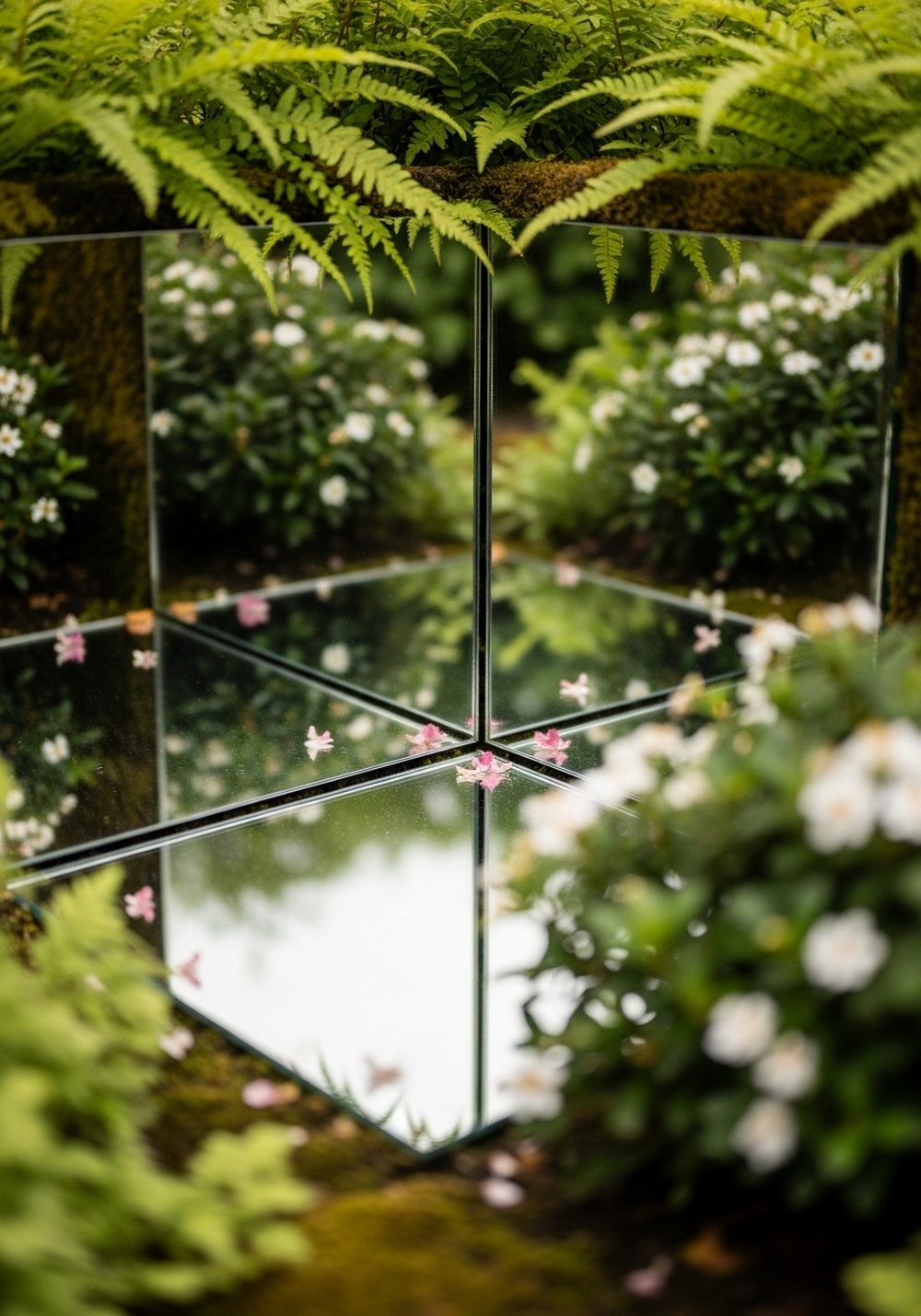
A mirrored garden wall adds a surprising sense of depth, making small spaces feel twice as large. Use outdoor-safe acrylic mirror panels or mirror tiles, and mount them on a sheltered fence or wall where they’ll reflect plants rather than clutter. Surround the mirror with ferns, grasses, or flowering shrubs so it appears like a doorway into another garden. The reflections change with the seasons and add extra light to darker corners, especially in courtyards.
- Best For: Small, enclosed gardens or shady corners that need more light and visual space.
- Budget Tip: Combine smaller mirrored tiles rather than one large expensive panel.
- Styling Idea: Frame the mirror with timber, brick, or painted trim to make it feel like intentional wall art rather than a bathroom mirror.
- Practical Note: Position it carefully to avoid dazzling glare and to ensure birds can see plants, not sky.
- Care & Maintenance: Wipe gently with a soft cloth to remove water marks, dust, and fingerprints.
7. Driftwood and Stone Garden Totems

Stacked totems made from driftwood, stones, and found treasures bring a calm, meditative energy to the garden. Build them by threading pieces onto a central metal rod or stacking them carefully in balanced columns. Place them among groundcovers, near water features, or beside a bench so you can appreciate the subtle textures of worn wood and smooth rocks. Each tower tells a story of places walked and objects gathered, making your garden feel more personal and soulful.
- Best For: Naturalistic gardens, coastal themes, and quiet corners for reflection.
- Budget Tip: Collect stones and weathered branches on walks, following local rules about what can be taken.
- Styling Idea: Keep the palette neutral—greys, browns, soft whites—for a peaceful, spa-like mood.
- Practical Note: Use a sturdy base and a central rod or rebar for taller stacks to prevent toppling.
- Care & Maintenance: Check stability after storms and reposition or rebuild if pieces shift.
8. DIY Clay Pot People Sculptures

Clay pot people are playful, charming, and surprisingly easy to make. Stack terracotta pots in different sizes to form a body, using wire or rope to create dangling arms and legs from smaller pots. Paint simple faces, then plant trailing varieties like ivy or lobelia in the top “head” pot for hair. Seat your clay characters on steps, benches, or walls so they appear to be quietly enjoying the garden with you, adding humor and warmth to the space.
- Best For: Family gardens, front porches, and spots that need a light-hearted touch.
- Budget Tip: Mix new and second-hand pots, and use leftover paint for faces and clothing details.
- Styling Idea: Give each figure a theme—like a gardener, a sunbather, or a little gnome—through colors and plant choices.
- Practical Note: Thread wire or rope securely and place sculptures on stable, level surfaces.
- Care & Maintenance: Replace broken pots as needed and refresh paint every few seasons.
9. Rain Chain Water Feature

A rain chain turns ordinary runoff into a beautiful, soothing water feature. Attach it where a downpipe would usually hang, letting water travel down a decorative chain or a series of cups into a basin of pebbles or a planted area. The sound of water trickling during rain is calming, and when it’s dry, the chain itself acts as a sculptural vertical element. It’s a simple way to make your garden feel more like a serene retreat.
- Best For: Near seating areas, patios, or outside windows where you can hear and see the rain.
- Budget Tip: Use metal cups, spoons, or small buckets threaded together instead of buying a ready-made chain.
- Styling Idea: Choose materials that echo your gutters or outdoor hardware, like copper for a warm, classic feel.
- Practical Note: Ensure the chain drains into a suitable spot so water doesn’t pool against foundations.
- Care & Maintenance: Clear leaves and debris from cups and the basin to keep water flowing freely.
10. Shadow-Play Silhouette Screens

Silhouette screens create living artwork from sunlight and shadow. Install panels of cut metal, timber, or even thick lattice with botanical shapes or geometric patterns carved out. Place them where the sun will shine through onto paving, walls, or foliage, so the cut-outs cast moving shadows through the day. At night, backlight the screens with soft outdoor lighting to keep the artwork visible and extend the magic into the evening.
- Best For: Defining seating areas, hiding bins, or dressing up plain walls and fences.
- Budget Tip: Start with a single small panel and add more over time as your budget allows.
- Styling Idea: Choose patterns that echo your planting style—ferns and leaves for lush gardens, clean lines for modern spaces.
- Practical Note: Fix panels securely and allow for airflow so wind can pass through without strain.
- Care & Maintenance: Treat or paint panels as needed to prevent rust or weather damage.
Conclusion
Adding garden art doesn’t have to be complicated or expensive; it’s about choosing details that make your outdoor space feel more like you. A mosaic stone here, a playful sculpture there, and suddenly your garden becomes a place you want to linger. Start with one small project that excites you, then gradually layer in more pieces over time. Before long, you’ll have a stunning outdoor oasis that reflects your personality in every corner.
FAQs
1. How can I add creative garden art on a very small budget?
Focus on projects that use materials you already have or can easily collect, like broken tiles for mosaics, glass bottles for borders, and driftwood or stones for totems. Upcycling old furniture, picture frames, or metal scraps into art is also budget-friendly. Start with one simple feature and build slowly instead of trying to decorate everything at once.
2. Are these garden art ideas suitable for renters?
Yes, many of them are. Choose non-permanent projects such as hanging orbs, clay pot sculptures, movable totems, and painted panels you can screw onto existing fences or lean against walls. When it’s time to move, you can unscrew, unhook, or lift the pieces and take them with you without damaging the property.
3. What kind of garden art works best in harsh weather?
Opt for durable materials like treated timber, metal with a weather-resistant finish, stone, and outdoor-rated paints. Avoid delicate glass in very exposed or windy spots, and make sure anything hanging is well-secured. It’s also wise to choose pieces that look good even when plants die back, so the garden still feels interesting in colder months.
4. How can I use garden art in a tiny courtyard or balcony?
Think vertical. Use walls, railings, and fences for mirrors, painted panels, small silhouette screens, and hanging orbs. Choose a few strong pieces rather than lots of small items to avoid clutter. Combining art with planters—like obelisks in pots or clay pot people—saves space while adding character and greenery at the same time.
5. Is it safe to mix plants and decor closely together?
It is, as long as you plan carefully. Ensure plant supports and sculptures are stable and won’t fall onto pathways or seating areas. Leave enough room around plants for growth and airflow so they don’t rot or become overcrowded against structures. Avoid sharp edges where children or pets play, and check regularly that fixings and fastenings remain secure.
6. What are the easiest garden art ideas for beginners?
Great starter projects include recycled bottle borders, simple mosaic stepping stones with pre-mixed grout, and DIY clay pot characters. These are forgiving, fun, and don’t require special tools. Painted fence panels are also beginner-friendly—if you can paint a wall, you can paint basic shapes and build confidence as you go.


