10 Simple Eco-Friendly Garden Ideas Using Old Stuff

If you’ve ever looked at a pile of old “junk” and wondered if it could be useful in the garden, this post is for you. Home gardeners, renters, and small-space dwellers can all turn tired household items into charming, eco-friendly decor with just a little creativity.
Below you’ll find simple ideas that reuse what you already have, save money, and keep waste out of landfill. From pallets and tin cans to broken pots and worn-out boots, each project adds character and personality to your outdoor space. Pick one or two to start, and you’ll soon see how beautifully “old stuff” can transform your garden into a greener, more welcoming place.
Quick List
- Turn Wooden Pallets Into Rustic Planter Walls
- Use Old Tin Cans As Colorful Herb Pots
- Make Cozy Lanterns From Glass Jars And Bottles
- Stack Worn Tires Into Bold Flower Towers
- Build A Mini Fairy World In Broken Pots
- Create A Rain Chain And Water Feature From Scrap Metal
- Transform A Wobbly Chair Into A Statement Planter
- Hang Vintage Teacups As Sweet Bird Feeders
- Edge Your Beds With Old Glass Bottles
- Plant In Old Boots, Buckets, And Denim Pockets
1. Turn Wooden Pallets Into Rustic Planter Walls

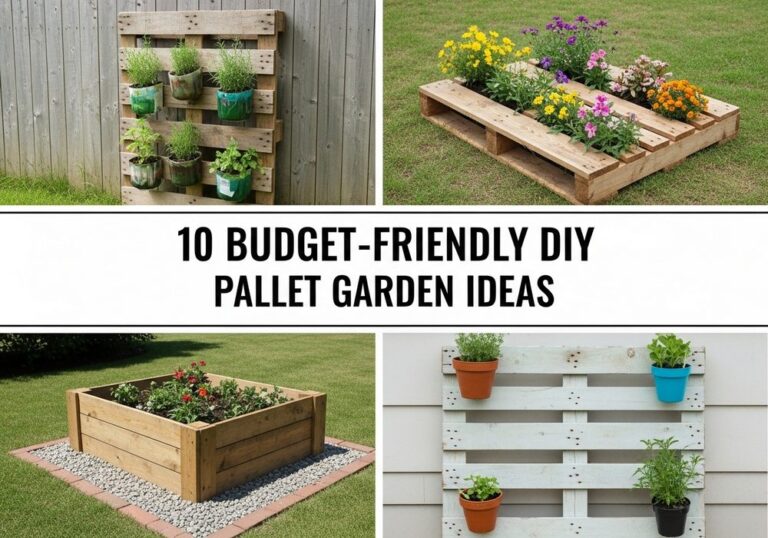
Old pallets can quickly become a rustic vertical garden that gives bare fences or walls a new purpose. Sand any rough edges, stand the pallet upright, and line the back and sides with landscape fabric or old feed sacks to hold soil. Fill the gaps with compost and plant herbs, strawberries, or trailing flowers in each opening. The weathered wood looks charming against fresh greenery, adding height and texture without buying new planters. It’s a simple, low-cost way to turn scrap wood into a living feature.
- Best For: Small yards, patios, or balcony walls with limited floor space.
- Budget Tip: Ask local stores or warehouses for unwanted pallets; many are free.
- Styling Idea: Keep the natural wood for a rustic look or stain it dark for a more modern feel.
- Practical Note: Secure the pallet to a wall or fence so it can’t tip over in strong wind.
- Care & Maintenance: Water from the top and check lower pockets regularly so they don’t dry out.
2. Use Old Tin Cans As Colorful Herb Pots

Don’t toss those soup or coffee cans; they’re perfect as mini herb planters. Wash and dry them, then drill drainage holes in the base. A quick coat of leftover paint or simple stripes instantly transforms them into cheerful containers. Fill with potting mix and plant herbs that you use often so they’re always within reach. Lined up on a windowsill, balcony rail, or small shelf, the mix of color, metal, and lush green leaves makes a bright, eco-friendly display.
- Best For: Windowsills, narrow balconies, and railings that get a few hours of sun.
- Budget Tip: Use sample paint pots or leftover interior paint instead of buying new.
- Styling Idea: Choose one color family (soft pastels or bold primaries) to keep the look cohesive.
- Practical Note: Add a small saucer or tray under indoor cans to catch drips.
- Extra Idea: Label each can with a paint marker or wooden stick for easy herb identification.
3. Make Cozy Lanterns From Glass Jars And Bottles

Old jam jars, pasta jars, or pretty bottles can become magical lanterns for warm evenings outside. Clean off labels, pop a small candle or LED tealight inside, and wrap wire or twine around the neck so you can hang them from branches, hooks, or a simple garden arch. As the light shines through the glass, it creates soft reflections and a gentle glow that instantly makes your space feel more inviting. Group different shapes and heights together for extra charm.
- Best For: Evening seating areas, pergolas, and tree branches above a patio.
- Budget Tip: Collect jars over time instead of buying new lanterns.
- Styling Idea: Mix clear glass with a few tinted bottles for a subtle, colorful glow.
- Practical Note: Use LED tealights where wind or fire safety is a concern.
- Care & Maintenance: Rinse out wax drips and dust the jars occasionally to keep the light bright.
4. Stack Worn Tires Into Bold Flower Towers

Instead of paying to dispose of old tires, stack them to create playful flower towers with serious impact. Clean the tires, drill a few drainage holes, and paint them if you’d like a brighter look. Stack two or three, fill each layer with soil, and plant hardy flowers or trailing plants around the edges. The curved shapes and bold colors give a fun, almost sculptural feel, turning a forgotten pile of rubber into a cheerful feature that kids and adults both enjoy.
- Best For: Family gardens, play spaces, or any corner that needs a strong focal point.
- Budget Tip: Ask local garages about scrap tires they’re discarding.
- Styling Idea: Use one color per tower, or create a rainbow stack for a playful theme.
- Practical Note: Place on level ground so the stack stays stable and safe.
- Care & Maintenance: Water thoroughly since the soil can dry faster in raised containers.
5. Build A Mini Fairy World In Broken Pots

Cracked or broken terracotta pots don’t need to go in the bin; they make wonderful fairy gardens. Use the larger pieces to create tiers inside a bigger container or tray, tucking broken shards in as “steps” and walls. Plant low-growing succulents, thyme, or moss to form tiny forests, then add pebbles, shells, or miniature ornaments for pathways and houses. The rough edges of the pots contrast beautifully with the soft greenery, creating a charming, storybook corner that invites a closer look.
- Best For: Tabletops, porch corners, or child-friendly garden nooks.
- Budget Tip: Use found objects like stones, sticks, and shells for fairy accessories.
- Styling Idea: Stick to earthy colors and natural materials for a woodland fairy vibe.
- Practical Note: Place the fairy garden somewhere you can easily reach for small adjustments.
- Care & Maintenance: Mist lightly in hot weather so moss and tiny plants don’t dry out.
6. Create A Rain Chain And Water Feature From Scrap Metal

If you have old spoons, metal cups, or small hardware, you can create a beautiful rain chain that guides water into a simple basin. String the pieces together with sturdy wire, hanging the chain from a gutter or roof edge. Place a shallow tub, half barrel, or stone-lined depression underneath, and surround it with moisture-loving plants. When it rains, water trickles down the metal in a soothing, decorative stream, turning scraps into a calming focal point that’s as useful as it is pretty.
- Best For: Areas near downspouts, shady corners, or spots where water naturally collects.
- Budget Tip: Combine mixed metal odds and ends instead of buying new chain links.
- Styling Idea: Keep the metal unpolished for a rustic, weathered look that suits cottage-style gardens.
- Practical Note: Ensure the chain is securely attached so it can handle the weight of flowing water.
- Care & Maintenance: Check for rusted-through links and clean debris from the basin now and then.
7. Transform A Wobbly Chair Into A Statement Planter

That old chair with a broken seat doesn’t have to go to the dump; it can be the base for a show-stopping planter. Remove the damaged seat and replace it with a metal basin, wooden crate, or wire basket lined with fabric. Fill with soil and plant a mix of upright flowers and trailing plants that spill over the edges. Set the chair beside a door, along a path, or in a bare corner to add instant height and personality, turning something useless into a garden highlight.
- Best For: Entrances, patios, and spots where you want a vertical accent.
- Budget Tip: Use leftover paint to give the chair a fresh, unified color.
- Styling Idea: Choose flowers that echo the chair’s paint color for a coordinated look.
- Practical Note: Make sure the chair is stable; add small wedges under legs if the ground is uneven.
- Care & Maintenance: Refresh potting mix each year and replant with seasonal blooms.
8. Hang Vintage Teacups As Sweet Bird Feeders

Chipped or mismatched teacups can enjoy a second life feeding garden birds. Glue cups to their saucers and attach sturdy chains, wire, or ribbons so you can hang them from branches or hooks. Fill with birdseed and watch as small birds visit for a delicate perch and snack. The combination of floral patterns, soft colors, and fluttering visitors brings a cottage-style charm to your outdoor space while also supporting local wildlife. They look especially lovely clustered at different heights.
- Best For: Trees near windows where you can watch visiting birds.
- Budget Tip: Pick up odd teacups cheaply at thrift shops or from relatives.
- Styling Idea: Mix patterns but keep to one color palette (like blues and whites) for harmony.
- Practical Note: Hang cups securely and high enough to be safe from curious pets.
- Care & Maintenance: Wash feeders regularly and top up with fresh birdseed.
9. Edge Your Beds With Old Glass Bottles

Instead of buying edging, use old glass bottles to create a unique, light-catching border. Remove labels, clean the bottles, and bury them neck-down along the edge of a path or bed so just the bottoms show. The different heights, colors, and shapes form a sparkling line that separates lawn from planting areas. When the sun hits, the glass adds subtle glints of color and transparency, giving structure and charm to your garden while keeping bottles out of the recycling bin.
- Best For: Flower beds, vegetable borders, and curving paths.
- Budget Tip: Collect bottles gradually from friends, family, or events.
- Styling Idea: Stick to one bottle color for a sleek look or mix colors for a playful feel.
- Practical Note: Ensure the tops are buried deep enough that they don’t wobble or become a tripping hazard.
- Care & Maintenance: Wipe off algae and soil occasionally so the glass keeps its shine.
10. Plant In Old Boots, Buckets, And Denim Pockets

Well-loved boots, dented buckets, and even denim pockets can all become quirky planters. Drill drainage holes in the soles or base, add a layer of gravel, and fill with potting mix. Plant cheerful blooms, herbs, or small grasses, letting foliage spill out of laces, handles, and pocket tops. Group them by a door, along a step, or hang the denim pockets on a fence for a vertical twist. The worn textures tell a story and add a playful, personal touch to any garden.
- Best For: Porch steps, entryways, or fence lines that need a bit of fun.
- Budget Tip: Use footwear and clothing that are too worn to donate instead of throwing them away.
- Styling Idea: Choose plants that contrast with the container, like bright flowers in dark boots.
- Practical Note: Avoid placing fabric planters directly on constantly damp ground to reduce rot.
- Care & Maintenance: Replace soil yearly and retire containers once they break down beyond use.
Conclusion
Eco-friendly garden decor doesn’t have to be complicated or expensive; it can start with the “old stuff” you already have. By reimagining pallets, jars, cans, and worn-out household items, you’re not only reducing waste but also adding personality, texture, and warmth to your outdoor space. Choose one or two ideas, experiment a little, and enjoy seeing your garden slowly fill with unique, meaningful pieces that reflect your style and care for the planet.
FAQs
Q1. How can I decorate my garden on a very small budget?
Start by looking at what you already own: tins, jars, broken pots, old furniture, and scrap wood. Choose one project, like tin can herb pots or jar lanterns, and build from there. Focus on plants grown from cuttings or seeds, and use free materials like stones, branches, and pallets to add structure and interest.
Q2. Are these ideas suitable for renters who can’t make permanent changes?
Yes, most of these projects are movable and non-permanent. Pallet planters, boot planters, tin can herbs, and chair planters can all be carried with you when you move. Just avoid fixing anything directly to walls or fences you don’t own and use hooks or over-the-rail hangers instead.
Q3. What eco-friendly materials last best outdoors?
Metal, glass, and well-treated wood generally handle outdoor weather better than untreated fabric or thin plastics. Terracotta pots and bottles can last for years if they’re not constantly knocked or waterlogged. If you’re using fabric or denim, place them in sheltered spots and accept that they’ll slowly wear out and need replacing.
Q4. How do I keep recycled decor safe and sturdy?
Always check for sharp edges, splinters, or unstable pieces before you set anything outside. Sand rough wood, smooth or cover sharp metal, and securely attach hanging items with strong wire or chain. Place heavy features like tire towers and chair planters on level ground so they can’t tip over easily.
Q5. What are the easiest eco-friendly decor ideas for beginners?
Tin can herb pots, glass jar lanterns, and boot planters are all great starting projects. They require very few tools, use items you probably already have, and can be completed in an afternoon. Once you feel confident, you can move on to bigger projects like pallet walls or bottle edging.