10 Landscaping Planter Ideas
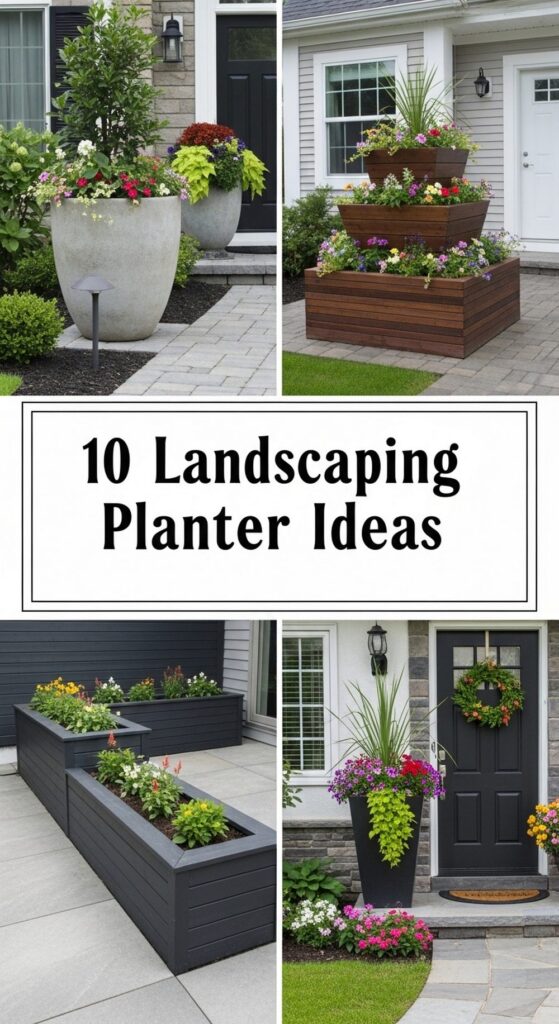
Landscaping planters are one of the easiest ways to give an outdoor space more shape, color, and personality without completely redoing the yard. They can help define pathways, soften patios, frame entrances, and make plain corners feel more finished.
This kind of project works well for homeowners, beginner gardeners, and even anyone updating a small front yard or backyard in simple stages. The ideas below are designed to feel realistic, attractive, and easy to adapt to different budgets. Whether you like a clean modern look or something more classic and lush, these planter ideas can make your outdoor space feel more polished, welcoming, and thoughtfully designed.
Quick List
- Tiered Stone Planter Beds
- Oversized Urns At The Entry
- Long Modern Trough Planters
- Wooden Raised Planter Boxes
- Cascading Planters On Garden Steps
- Built-In Bench Planter Combo
- Gravel Courtyard With Statement Pots
- Color-Coordinated Container Cluster
- Retaining Wall Planter Pockets
- Mixed-Height Planters Around A Patio
Tiered Stone Planter Beds
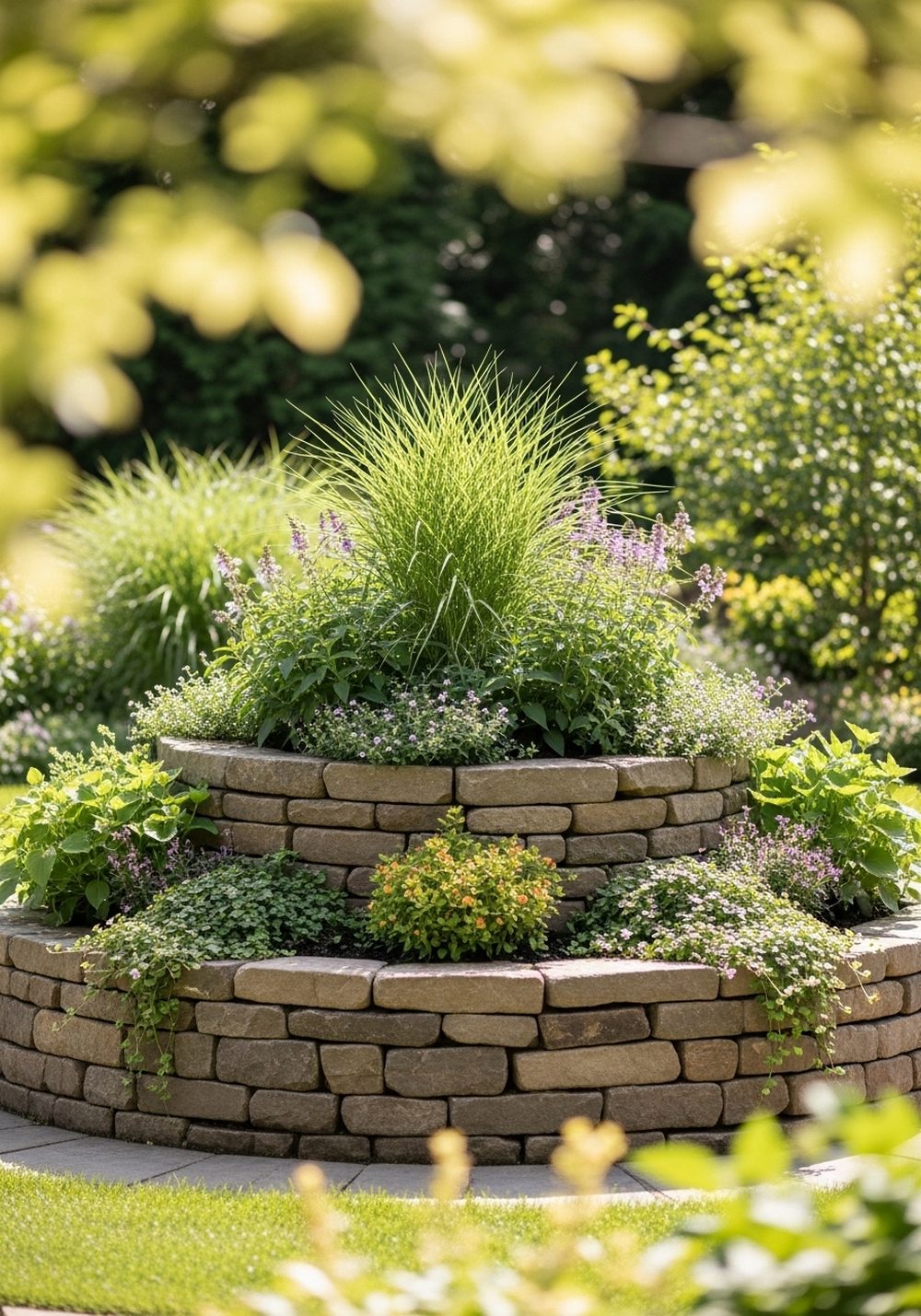
Tiered stone planter beds are a smart way to add height and structure to a flat yard or a gentle slope. The layered stone gives the space a settled, landscaped feel, while the planting levels let you mix trailing greenery, colorful flowers, and upright grasses. Try using natural-looking stone in soft gray or sandy tones for an easy blend with the garden. Keep the tallest plants in the back and let softer plants spill forward to create a full, balanced look.
- Best For: Front yards, sloped spaces, or garden edges that need more shape and definition.
- Budget Tip: Start with one small tier first, then expand over time as your budget allows.
- Styling Idea: Pair stone with cottage-style flowers for a softer look, or use grasses for a cleaner design.
- Practical Note: Make sure each level has proper drainage so the planting stays healthy.
Oversized Urns At The Entry
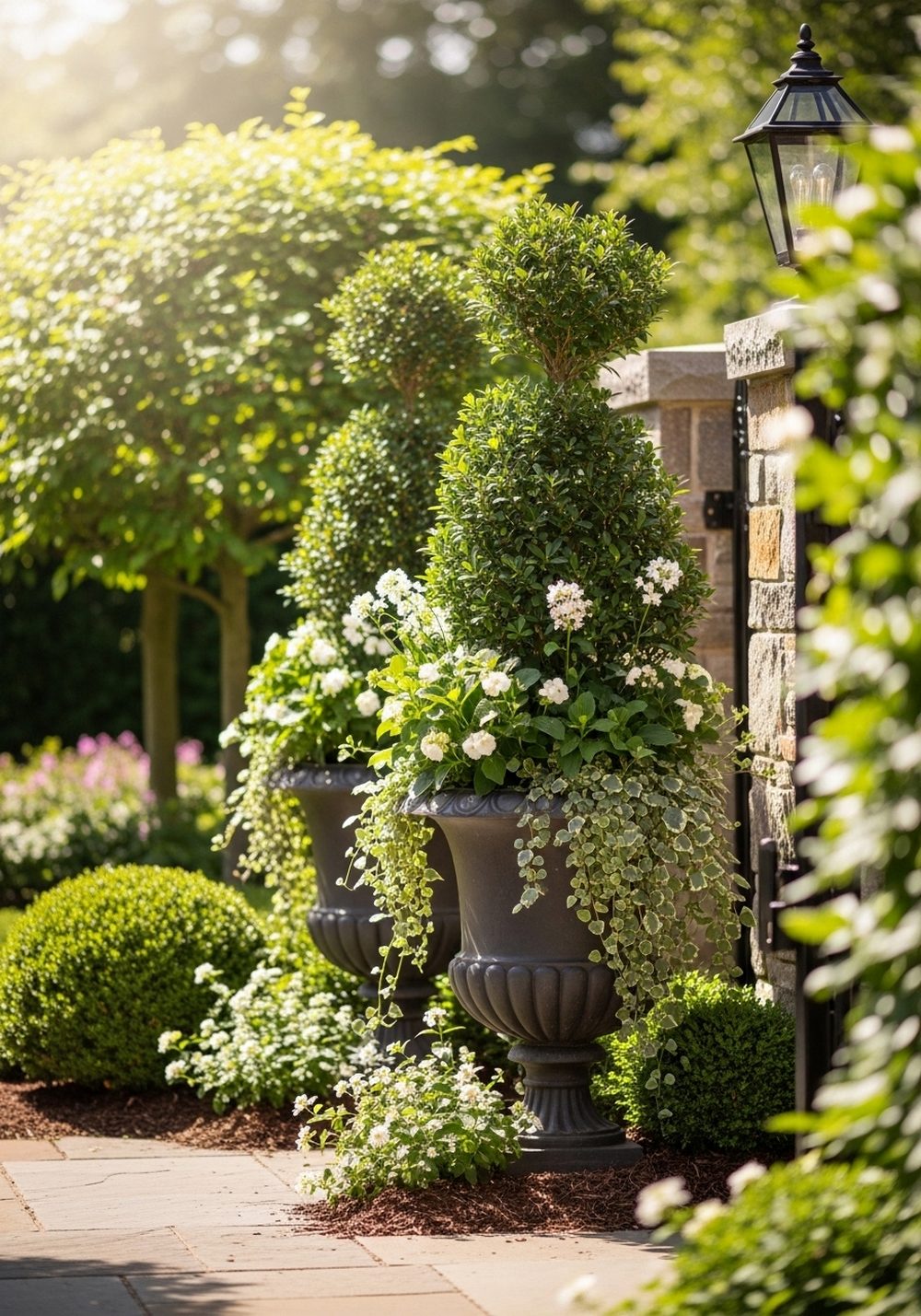
Large urn planters can instantly make an entrance look more polished and intentional. Placing a matching pair near a gate, front walk, or garden opening creates symmetry and gives the eye a clear focal point. Fill them with upright greenery, a few soft flowers, and trailing foliage for a layered effect that feels rich without looking crowded. The contrast between classic urn shapes and loose planting adds charm and makes even a simple path feel more elegant.
- Best For: Formal entries, front paths, and spaces that need a strong focal point.
- Budget Tip: Use lightweight composite urns instead of stone to get the same look for less.
- Styling Idea: Try white blooms and deep green foliage for a timeless, refined mood.
- Care & Maintenance: Refresh the top layer seasonally so the planters always look neat and full.
Long Modern Trough Planters
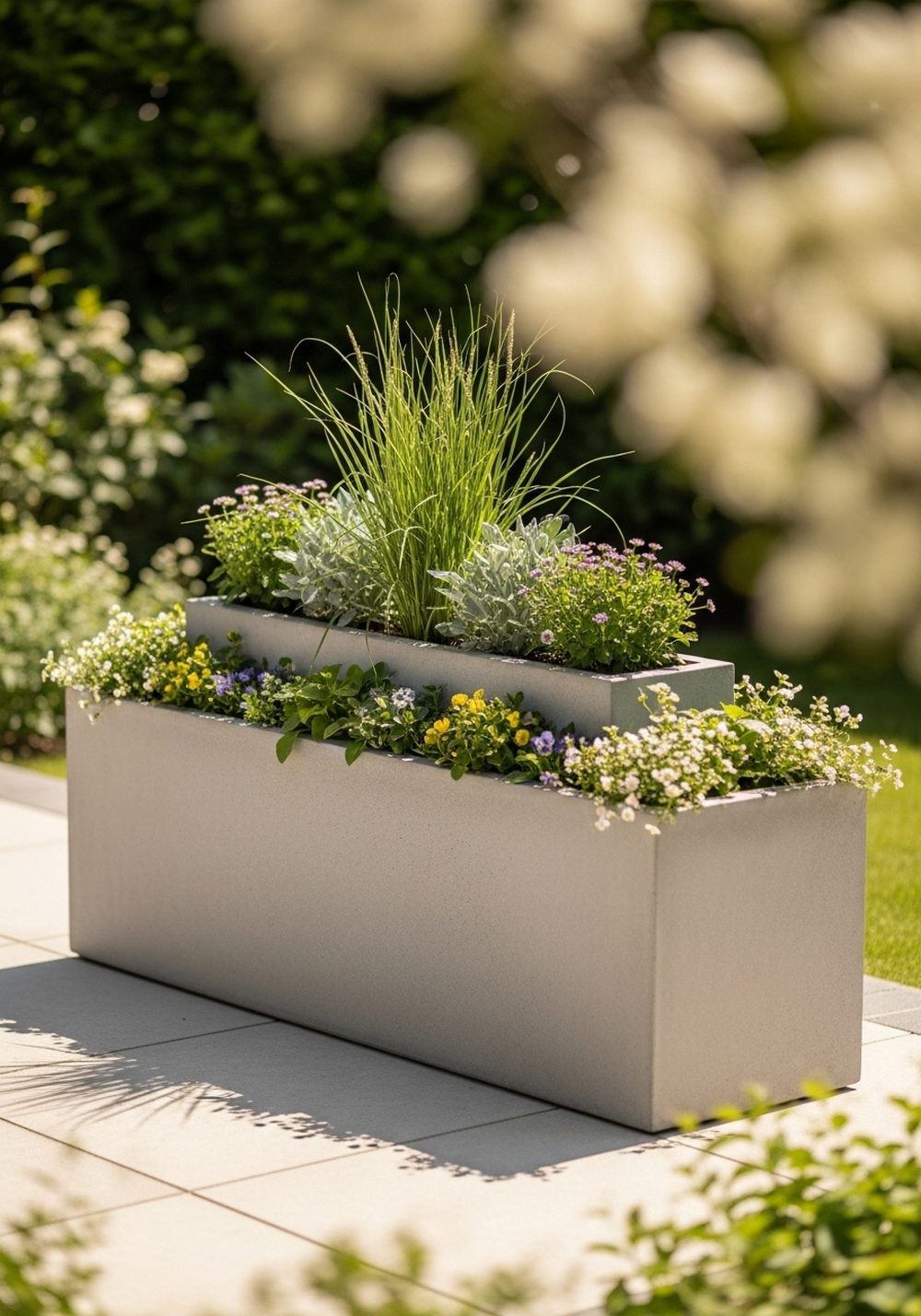
Long trough planters bring a clean and modern feel to landscaping, especially along patios, fences, or straight pathways. Their shape helps create visual order and works well for repeating simple plant combinations. Use a mix of upright grasses, leafy foliage, and low seasonal flowers for movement and softness. Concrete, charcoal, or matte neutral finishes look especially stylish against greenery. This idea is great when you want planters to feel like part of the design rather than separate decorative pieces.
- Best For: Modern homes, patios, and narrow borders that need a tidy planted edge.
- Budget Tip: Place two troughs in key spots instead of lining an entire area at once.
- Styling Idea: Stick to a restrained palette of greens and whites for a calm, modern mood.
- Practical Note: Leave enough space behind or around the planters for easy watering and access.
Wooden Raised Planter Boxes
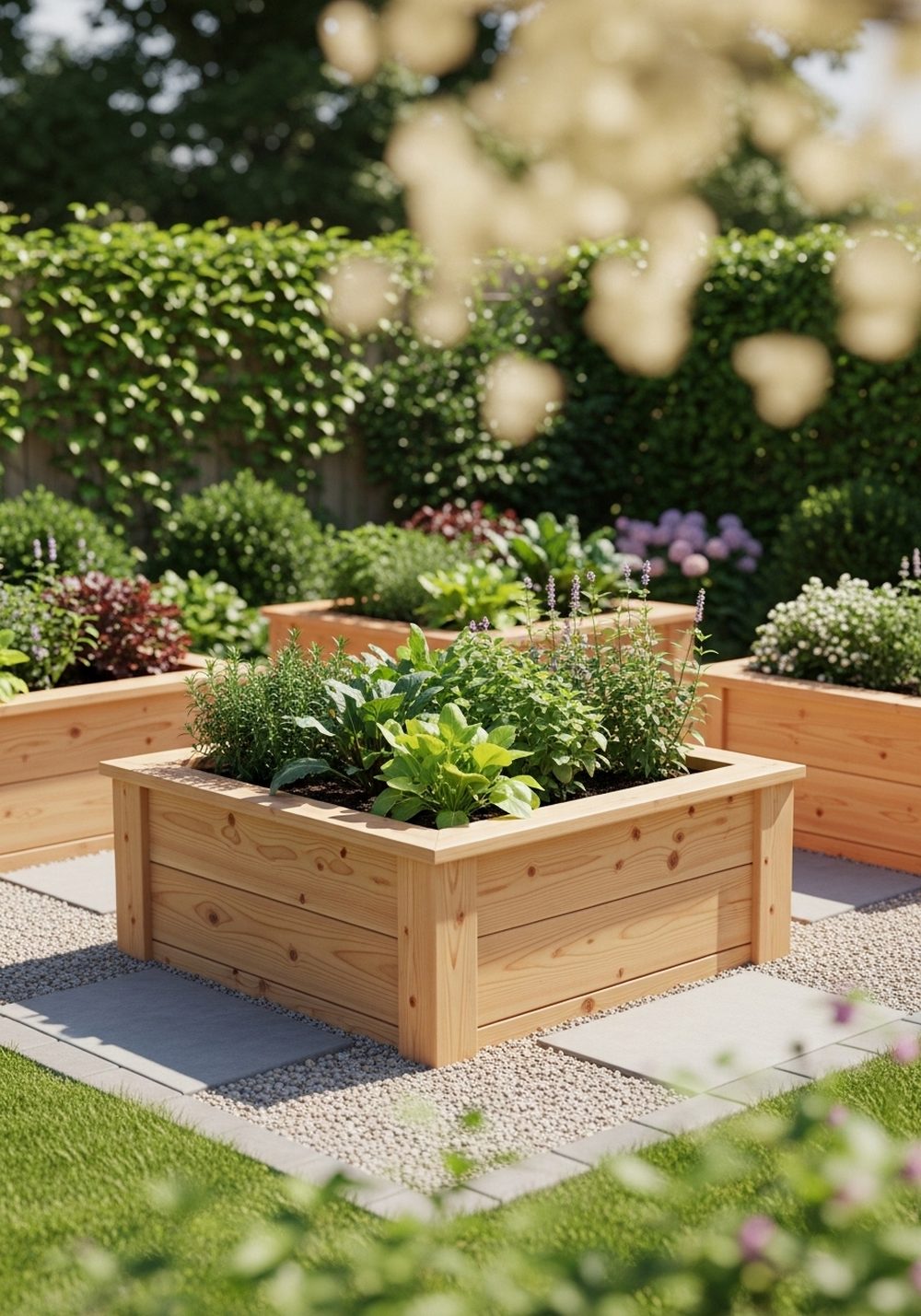
Wooden raised planter boxes add warmth and a relaxed landscaped look that works in both decorative and practical spaces. They are ideal for mixing flowers, herbs, or compact shrubs while also giving the yard more structure. Natural timber looks especially inviting beside gravel, lawn, or brick paths. Keep the box lines simple so the plants remain the highlight. A few well-placed raised boxes can make a bare backyard feel more purposeful and give you easy planting areas that are comfortable to maintain.
- Best For: Family gardens, backyard updates, and casual outdoor spaces with room to plant.
- Budget Tip: Build basic rectangular boxes with simple materials and stain them later if needed.
- Styling Idea: Use warm wood tones with lavender, rosemary, and white flowers for a soft rustic mood.
- Care & Maintenance: Line the interior properly and check wood condition each season to extend its life.
Cascading Planters On Garden Steps
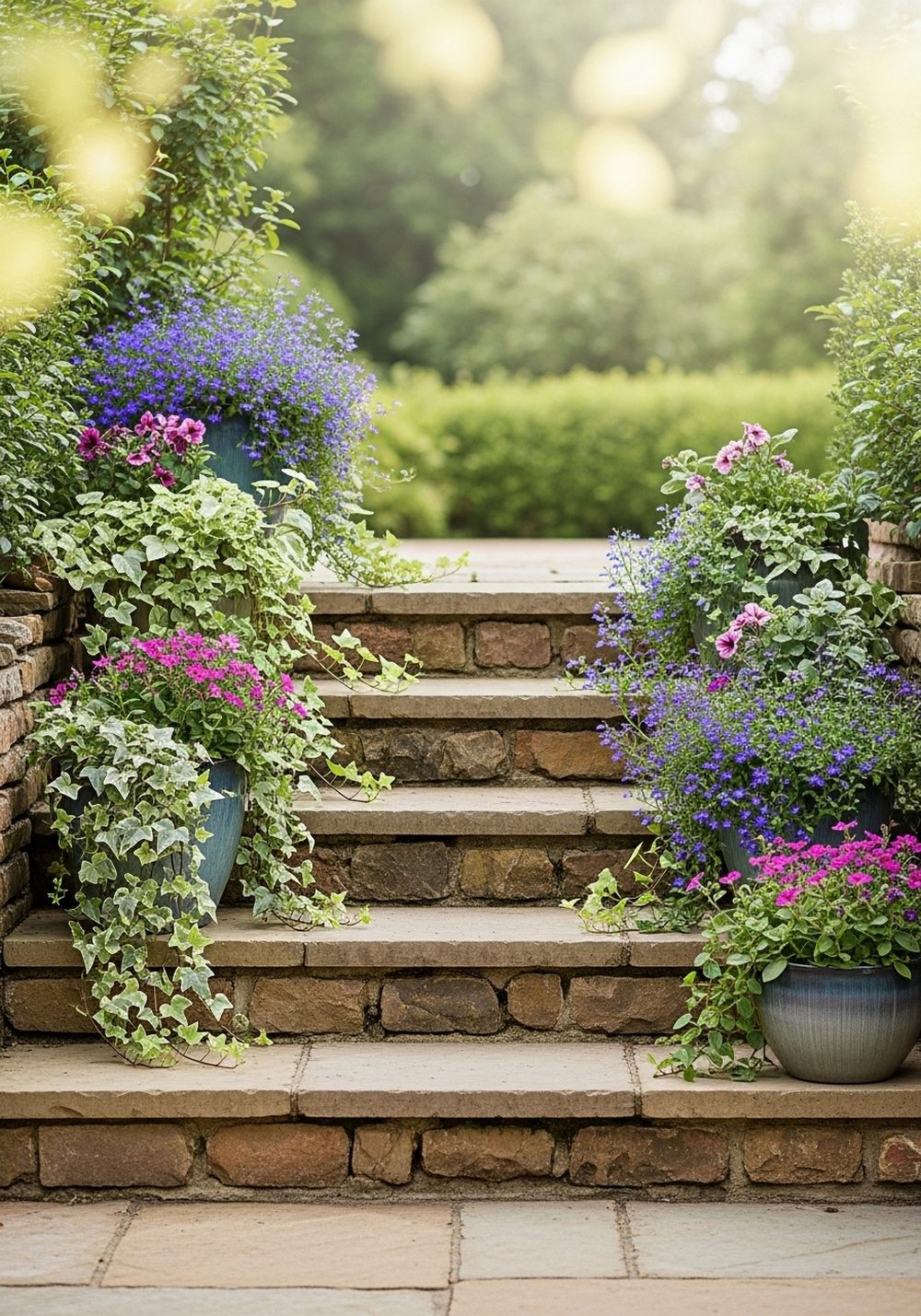
Planters on garden steps can turn a plain stairway into one of the prettiest parts of the landscape. Use pots of similar color or material so the arrangement feels connected, then plant each one with trailing flowers or soft greenery that gently spills over the sides. The result adds movement, color, and a layered effect that draws the eye upward or downward along the steps. It is an especially nice way to soften stone or brick and make the transition between areas feel more inviting.
- Best For: Garden stairways, terrace steps, and side entrances that need more softness.
- Budget Tip: Reuse simple pots in one matching color to create a more collected designer look.
- Styling Idea: Choose soft pinks, purples, or whites for a romantic garden mood.
- Practical Note: Keep enough clear walking space on each step for safety and easy use.
Built-In Bench Planter Combo
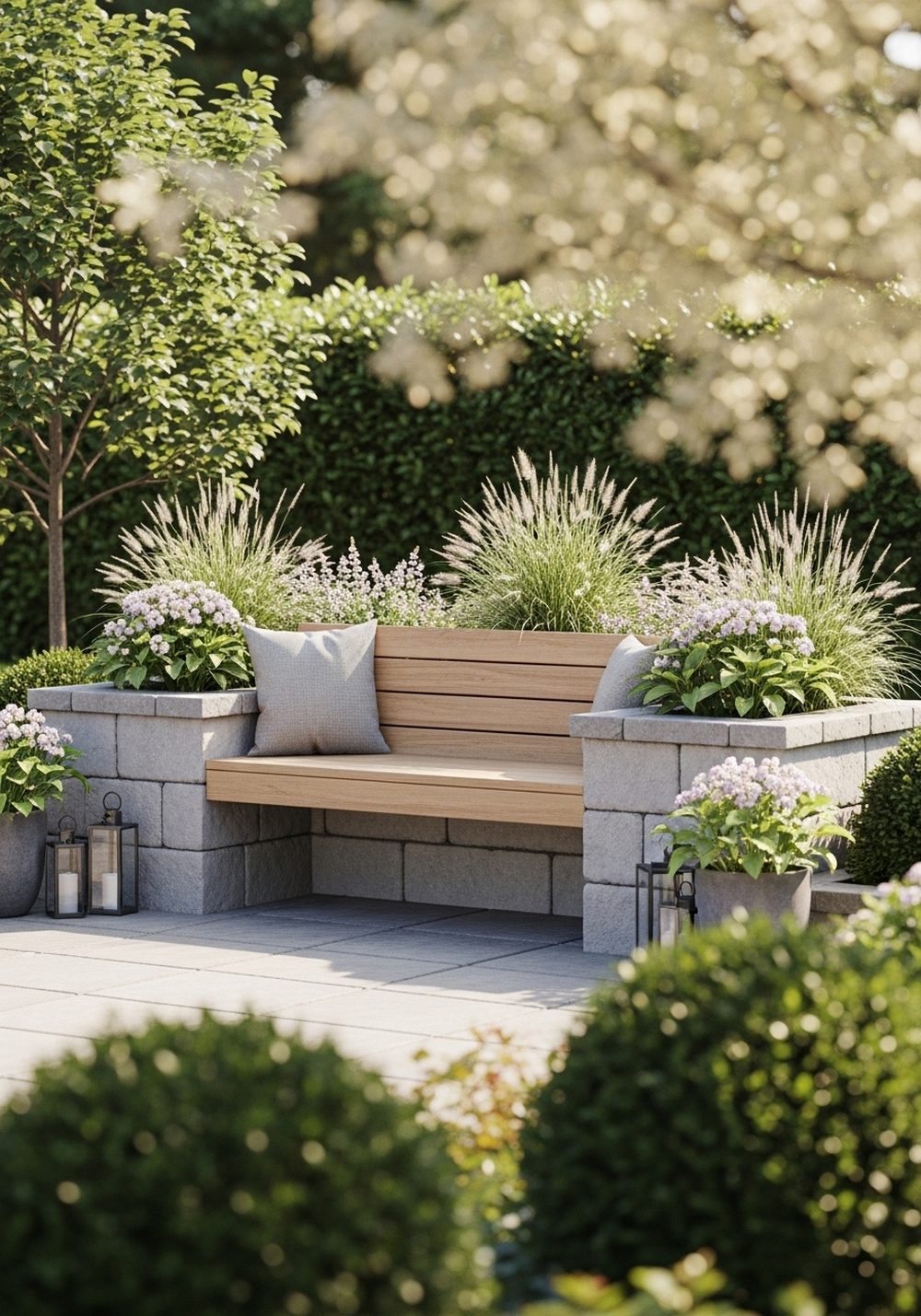
A bench with built-in planters combines comfort and landscaping in one practical feature. It gives you a place to sit while also framing the seating area with greenery, which makes the whole corner feel more private and cozy. Rectangular side planters filled with grasses, soft flowers, or compact shrubs work beautifully around wood or stone benches. This setup is useful for making a patio feel finished without adding too many separate items, and it creates a calm outdoor spot for reading or relaxing.
- Best For: Small patios, quiet corners, and gardens where every feature should be useful.
- Budget Tip: Add two matching planters beside an existing bench to mimic the built-in look.
- Styling Idea: Pair wood seating with airy grasses for a relaxed modern-natural feel.
- Extra Idea: Add low solar lighting nearby to make the space feel warm in the evening.
Gravel Courtyard With Statement Pots
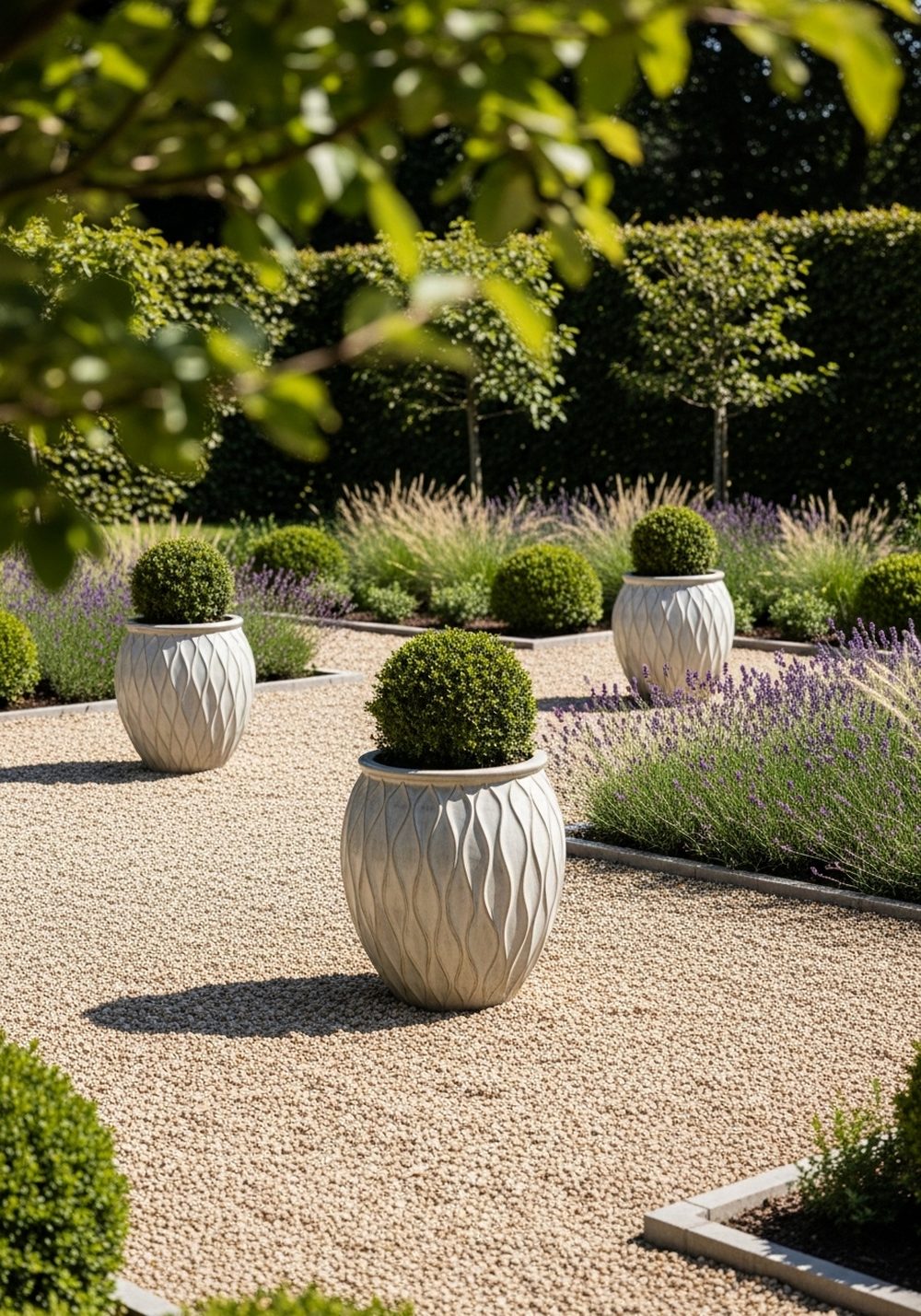
A gravel courtyard with a few large statement pots can look elegant without needing a lot of planting beds. The gravel keeps the space tidy and low maintenance, while oversized pots add form, height, and a sense of intention. Use only a few containers, but choose shapes and materials that feel substantial. Evergreens, lavender, and ornamental grasses all work well here. The contrast of textured gravel and sculptural planters creates a calm, refined setting that still feels natural and relaxed.
- Best For: Low-maintenance gardens, sunny spaces, and minimalist outdoor designs.
- Budget Tip: Invest in one or two larger pots first and leave room to add more later.
- Styling Idea: Stick to earthy ceramics or muted gray pots for a quiet, sophisticated mood.
- Care & Maintenance: Add weed barrier under the gravel to keep the area looking neat longer.
Color-Coordinated Container Cluster
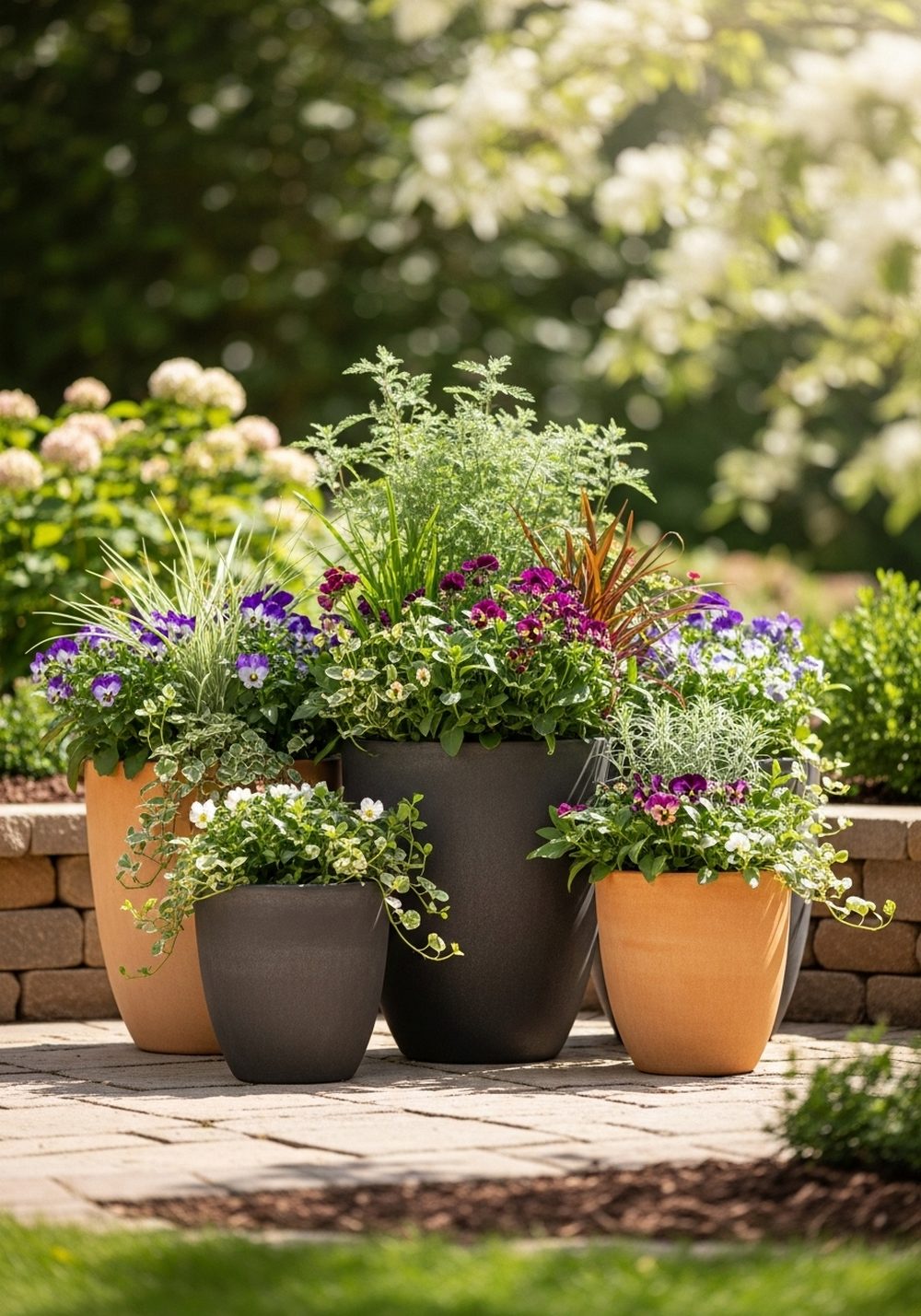
A grouped cluster of planters can make a small empty corner look rich and layered very quickly. The key is to keep the container colors connected, even if the sizes and plant choices vary. Try mixing tall leafy plants, medium flowering plants, and one or two trailing varieties for depth. Terracotta, warm cream, charcoal, or soft stone tones all work beautifully. This idea feels flexible and creative, and it is easy to refresh as seasons change or as your planting style evolves over time.
- Best For: Small garden corners, patios, balconies, and spaces that need quick impact.
- Budget Tip: Buy containers in stages but stay within one color family for a cohesive look.
- Styling Idea: Use repeated pot tones to create a calm, collected, designer-style mood.
- Extra Idea: Raise one planter on a hidden stand or brick for better height variation.
Retaining Wall Planter Pockets
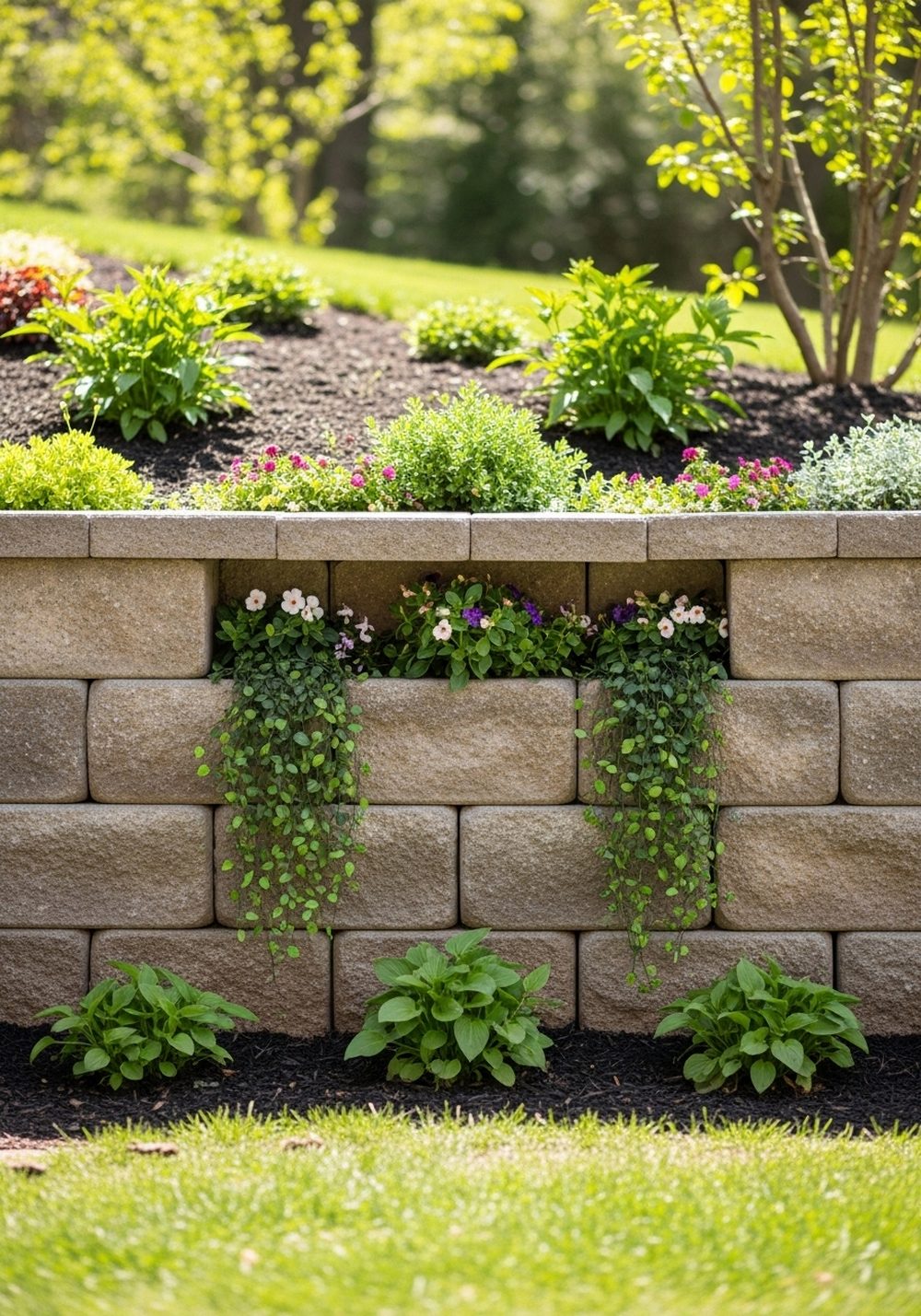
Retaining wall planter pockets are a clever way to soften hard landscaping and make a structural feature feel more decorative. Small built-in spaces can hold trailing plants, compact flowers, or creeping greenery that spills gently over the edge. This helps break up the look of plain concrete or stone and adds more life to sloped areas. It is a beautiful option when you want the retaining wall to feel integrated with the rest of the garden rather than standing out as a harsh surface.
- Best For: Sloped yards, terraced gardens, and retaining walls that feel too plain.
- Budget Tip: Add planting pockets only in the most visible sections instead of the full wall.
- Styling Idea: Use soft trailing greenery to create a natural, relaxed look against the hardscape.
- Practical Note: Choose plants with shallow root needs if the pockets have limited soil depth.
Mixed-Height Planters Around A Patio
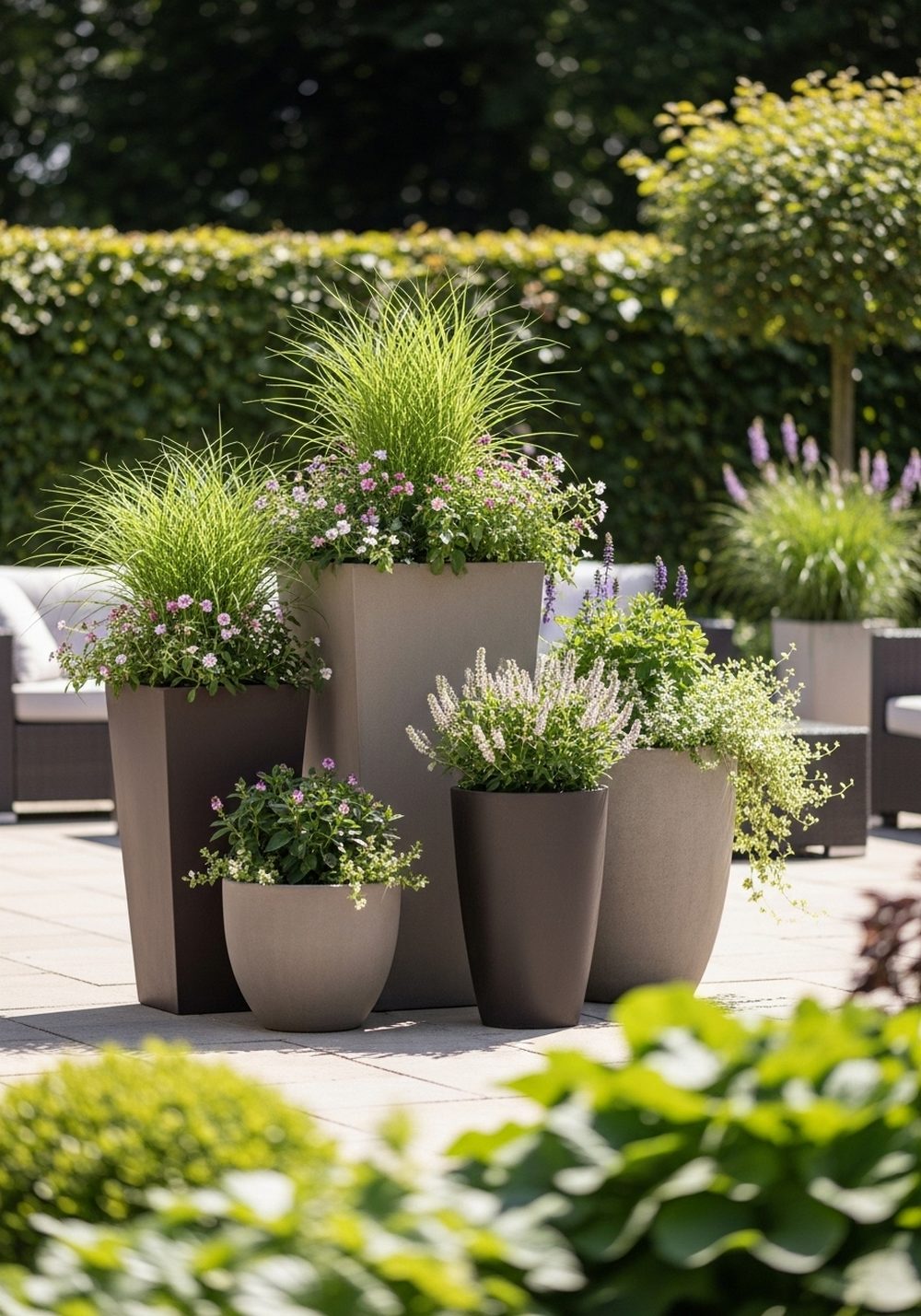
Using planters of different heights around a patio helps frame the space in a soft and natural way. Tall planters can define corners, medium sizes can fill gaps, and low pots can bring color close to the ground. This layered arrangement makes the patio feel greener and more enclosed without building anything permanent. Choose similar finishes so the setup feels coordinated, then mix flowers, grasses, and foliage for texture. It is a simple way to make an outdoor seating area feel more styled and inviting.
- Best For: Patios, outdoor dining areas, and backyards that need a softer planted border.
- Budget Tip: Start by styling the patio corners first, then fill in smaller pots later.
- Styling Idea: Use matching neutral containers for a balanced look with lush green planting.
- Care & Maintenance: Group plants with similar watering needs to make upkeep easier.
Conclusion
The right landscaping planter ideas can make an outdoor space feel more finished, welcoming, and full of character. Even a few well-placed containers can add height, texture, and better flow to the yard. Start with one or two ideas that fit your space and budget, then build from there. Small changes often make a bigger difference than expected when they are placed with care.
FAQs
1. What is the best way to decorate with planters on a small budget?
Start with fewer planters in the areas that get the most attention, such as the entry, patio corner, or pathway. Choose simple containers in matching colors so they look more intentional. You can always add more later while keeping the same style.
2. Are landscaping planters a good option for renters?
Yes, planters are one of the easiest non-permanent ways to improve an outdoor space. Large pots, troughs, and grouped containers can add style without digging into the ground. They also move easily if you change homes.
3. Which planter materials are easiest to maintain outdoors?
Lightweight composite, sealed wood, concrete-look containers, and glazed ceramic are all popular low-maintenance choices. The best option depends on your climate and how exposed the area is to sun and rain. Good drainage matters just as much as the material.
4. What plants work best in decorative landscaping planters?
A mix of upright, filler, and trailing plants usually looks the most balanced. Ornamental grasses, compact shrubs, seasonal flowers, and trailing greenery are all reliable choices. Pick plants based on sunlight, watering needs, and the size of the planter.
5. How do I make planters look more professional in the landscape?
Repeat materials, colors, or plant types across the space to create consistency. Group containers in odd numbers, vary heights, and avoid overfilling every area. A more edited layout often looks more polished than using too many different styles.
6. What is the easiest planter idea for beginners?
Color-coordinated container clusters are one of the simplest places to start. You only need a few pots, a basic mix of plants, and a corner that needs more life. It is easy to adjust and refresh as you gain confidence.