22 Recycled Mismatched Teacup Herb Tower Ideas

If you have a box of old teacups you can’t quite part with, you’re already halfway to creating a beautiful herb tower. Whether you garden in a big backyard, a tiny balcony, or a simple doorstep, those chipped and mismatched cups can become quirky little planters that add height, color, and personality to your outdoor space.
In this post, you’ll find 22 creative ways to turn recycled teacups into herb towers for every corner: sunny patios, shady spots, railings, and tabletops. Expect simple, budget-friendly ideas that use basic materials and gentle DIY tweaks. By the end, you’ll see your old crockery as charming garden decor, not clutter.
Quick List
- Classic Mismatched Teacup Herb Tower
- Vintage China Cascading Herb Stand
- Pastel Color-Blocked Teacup Stack
- Rustic Crate-Base Teacup Herb Tower
- Tiered Cake-Stand Teacup Herb Garden
- Wall-Mounted Teacup Herb Ledge
- Ladder-Style Teacup Herb Display
- Balcony Railing Teacup Herb Rail
- Pallet-Backed Teacup Herb Wall
- Spiral Rod Teacup Herb Tower
- Fairy Garden Teacup Herb Stack
- Window Box Teacup Herb Row
- Hanging Macramé Teacup Herb Tower
- Corner Plant-Stand Teacup Herb Tree
- Galvanized Tub Base Teacup Herb Cluster
- Teacup and Teapot Mixed Herb Tower
- Night-Light Solar Teacup Herb Tower
- Bold Monochrome Teacup Herb Stack
- Tea Party Tabletop Herb Tower
- Kids’ Painted Teacup Herb Tower
- Shady-Corner Teacup Mint Tower
- Scented Kitchen Doorstep Teacup Herb Tower
Classic Mismatched Teacup Herb Tower

Stack your favorite mismatched teacups along a central metal rod set in a heavy pot for a classic herb tower. Drill drainage holes, fill each cup with potting mix, and plant easy herbs like basil, thyme, and parsley. Tilt the cups slightly so the plants spill out and soften the structure. Place the tower beside a bench or chair to enjoy the view and the scent.
- Best For: Patios, small gardens, and beginner gardeners.
- Budget Tip: Use a secondhand pot, thrifted cups, and scrap metal rod or rebar.
- Styling Idea: Mix floral, plain, and patterned cups for a collected-over-time look.
- Practical Note: Add gravel at the base of the pot so the tower doesn’t tip.
- Care & Maintenance: Water from the top and let it trickle down; top up soil each season.
Vintage China Cascading Herb Stand

Turn an old narrow plant stand into a cascading herb feature by giving each level a saucer and teacup pair. Plant trailing herbs at the top and bushier ones lower down for a waterfall effect. Angle some cups gently so stems drape over the edges. Set it against a fence or wall for support and frame it with fairy lights for evening glow.
- Best For: Shady side yards or along fences.
- Budget Tip: Look for rusty stands at markets; a quick clean and outdoor paint can revive them.
- Styling Idea: Choose delicate vintage china for a romantic, cottage feel.
- Practical Note: Make sure the stand is stable; weight the base if needed.
- Care & Maintenance: Rotate cups occasionally so all plants get light.
Pastel Color-Blocked Teacup Stack

Paint a set of thrifted cups in solid pastel colors and stack them along a rod or narrow pole. Each color can hold a different herb, making it easy to remember what’s where. Place this on a balcony or near a door where it catches sunlight and lifts the mood.
- Best For: Balconies and renters who want a cheerful accent.
- Budget Tip: Use leftover tester paints and mismatched cups you already own.
- Styling Idea: Stick to three or four pastel shades for a cohesive look.
- Practical Note: Use outdoor-safe paint or seal the cups so color lasts longer.
- Care & Maintenance: Avoid overwatering—pastel paint shows water marks easily.
Rustic Crate-Base Teacup Herb Tower

Use an old wooden crate as a base for your tower, either upright or on its side. Stand the rod and stacked teacups on top, and tuck larger herb pots inside the crate for extra greenery. This creates a layered vignette that feels deliberate, not cluttered.
- Best For: Porches and patios that need height and texture.
- Budget Tip: Many shops give away wooden crates; just sand and seal them.
- Styling Idea: Pair rough wood with delicate china for a rustic-chic contrast.
- Practical Note: Elevate the crate slightly on bricks to avoid moisture damage.
- Extra Idea: Put a lantern or candle inside the crate for evening ambiance.
Tiered Cake-Stand Teacup Herb Garden

Repurpose a tiered cake stand as a miniature herb tower for your outdoor table. Arrange teacups on each level, filling them with compact herbs. It becomes center decor and a useful herb source during meals. Add a shallow bowl at the base to catch extra water.
- Best For: Outdoor dining tables and small patio surfaces.
- Budget Tip: Mix a secondhand stand with odd teacups you already have.
- Styling Idea: Keep a soft color palette for a calm, café-style look.
- Practical Note: Bring it indoors in bad weather to protect the stand.
- Care & Maintenance: Replant herbs when they outgrow the small cups.
Wall-Mounted Teacup Herb Ledge

Attach a slim shelf or ledge to a sunny wall and line it with teacups planted with herbs. This turns unused vertical space into decor and food. Use sturdy wall fixings, and maybe a small lip to stop cups sliding off. Add a nearby wall lantern to highlight the display at night.
- Best For: Courtyards and blank walls.
- Budget Tip: Use a leftover plank and simple brackets rather than a new shelf.
- Styling Idea: Group cups in color families—blues together, florals together.
- Practical Note: Avoid very heavy cups; keep weight manageable for the fixings.
- Care & Maintenance: Water gently and keep a cloth handy for spills on the wall.
Ladder-Style Teacup Herb Display

Lean an old wooden ladder safely against a fence and use each rung as a mini shelf. Place saucers on the rungs, teacups on the saucers, and plant herbs in layers. Add hooks on the sides for tools and a lantern. It turns a simple ladder into a character piece.
- Best For: Narrow garden strips and along fences.
- Budget Tip: A weathered ladder is often cheap or free; seal it to last longer.
- Styling Idea: Keep cups mostly white and let the wood and herbs provide the warmth.
- Practical Note: Anchor the ladder or tie it to the fence so it can’t slip.
- Care & Maintenance: Check wood regularly for rot if it’s in contact with soil.
Balcony Railing Teacup Herb Rail

Create a slim teacup shelf fixed to your balcony rail using brackets or rail planters. Line up planted cups along this narrow ledge, making a living border that doesn’t steal floor space. Pair with a folding chair and small table so you can sit among the herbs.
- Best For: Tiny balconies and apartments.
- Budget Tip: Use scrap wood and simple clamps instead of special rail planters.
- Styling Idea: Alternate patterned and plain cups for a fun but tidy look.
- Practical Note: Ensure everything is firmly secured and can’t blow off.
- Care & Maintenance: Water over a tray or saucer to avoid dripping on neighbors below.
Pallet-Backed Teacup Herb Wall

Fix a pallet upright against a wall and add small shelves for teacups. Plant herbs in each cup and weave fairy lights through the slats. The mix of rough wood and delicate china makes a striking vertical garden feature.
- Best For: Small yards and renters who can stand a pallet rather than fix to a wall.
- Budget Tip: Pallets are often free; just check they’re safe for garden use.
- Styling Idea: Use cups in similar tones so the pallet remains the main frame.
- Practical Note: Anchor the pallet at the base so it doesn’t tip forward.
- Care & Maintenance: Refresh the wood with outdoor sealant every couple of years.
Spiral Rod Teacup Herb Tower

Use a central rod with a spiral support (or wrap a flexible metal strip around a straight rod) and rest teacups along the curve. Each cup sits at a different height and angle, creating a sculpture-like tower. Plant herbs with contrasting shapes for extra drama.
- Best For: Making a bold feature in a small bed or patio.
- Budget Tip: Use leftover metal or repurpose an old spiral plant support.
- Styling Idea: Choose cups in one color family to keep the shape the star.
- Practical Note: Secure the rod deep in a heavy pot or straight into the ground.
- Care & Maintenance: Turn the tower occasionally so all sides get light.
Fairy Garden Teacup Herb Stack

Stack teacups at playful angles, filling spaces with moss, pebbles, and tiny figurines to create a fairy garden feel. Plant small herbs like thyme and creeping varieties that suit the miniature look. Add a few tiny lights around the base to make it glow at night.
- Best For: Families and whimsical garden corners.
- Budget Tip: Use broken saucers as fairy “paths” instead of buying decorations.
- Styling Idea: Choose soft, storybook-style patterns and colors.
- Practical Note: Keep the tower low if children will be playing nearby.
- Care & Maintenance: Trim herbs regularly so they don’t hide all the details.
Window Box Teacup Herb Row

Set a row of teacups inside an outdoor window box instead of one long line of soil. Each cup gets its own herb, and saucers or stones fill the gaps for texture. From inside, you see clustered shapes rather than one continuous planter.
- Best For: Kitchen windows and small ledges.
- Budget Tip: Reuse a basic plastic window box and disguise it with cups and stones.
- Styling Idea: Use cups with similar shapes but different patterns for quiet variety.
- Practical Note: Make sure the box is well supported; cups are heavier than soil alone.
- Care & Maintenance: Check after heavy rain that cups aren’t sitting in standing water.
Hanging Macramé Teacup Herb Tower

Use a vertical macramé hanger with multiple levels to hold several teacups. It becomes a hanging herb tower that sways gently in the breeze. Choose lightweight cups and plant compact herbs so the arrangement stays balanced.
- Best For: Covered porches and spaces where floor room is limited.
- Budget Tip: Try simple DIY knotting with cord rather than buying fancy hangers.
- Styling Idea: Pair natural cord with soft-toned china for a boho feel.
- Practical Note: Hang from a strong hook and check weight before planting.
- Care & Maintenance: Take down for watering to avoid dripping on the floor.
Corner Plant-Stand Teacup Herb Tree

Place a tall plant stand in an empty corner and fill each tier with teacup herb planters. Arrange tallest herbs at the top and trailing plants lower down so they spill gracefully. Wrap a short string of lights around the frame.
- Best For: Dead corners on patios or balconies.
- Budget Tip: An old stand with chipped paint can look charming in a garden.
- Styling Idea: Use mostly neutral cups and let the herbs create the “tree” effect.
- Practical Note: Weight the bottom tier with a heavier pot to stop wobbling.
- Care & Maintenance: Turn the stand regularly to keep growth even.
Galvanized Tub Base Teacup Herb Cluster

Set a galvanized tub as a solid base, then cluster teacups inside around a central rod or short stake. The metal tub adds a farmhouse touch and contains spills and soil. Add pebbles or gravel between cups to finish the look.
- Best For: Sunny spots near paths or doors.
- Budget Tip: Look for used tubs or buckets; small dents add character.
- Styling Idea: Mix white cups with one or two patterned ones to keep it simple.
- Practical Note: Drill drainage holes in the tub or add a layer of stones.
- Care & Maintenance: Empty and clean the tub once a year to prevent buildup.
Teacup and Teapot Mixed Herb Tower

Alternate teacups and teapots on a central rod, using the larger teapots as anchors. Plant herbs in both cups and teapots, letting some spill from spouts for fun. It becomes a story piece that guests will always notice.
- Best For: People who love collecting old crockery.
- Budget Tip: Use teapots with missing lids or hairline cracks that can’t be used indoors.
- Styling Idea: Mix shapes freely but repeat one color to tie it together.
- Practical Note: Seal any cracks inside teapots to stop leaks before planting.
- Care & Maintenance: Check that the weight is evenly spread along the tower.
Night-Light Solar Teacup Herb Tower

Wrap a set of tiny solar string lights around a teacup herb tower to turn it into a night-time feature. The cups and herbs glow gently after dark, making paths and beds feel more inviting. Position near a seating area or along a main route.
- Best For: Evening gardens and outdoor entertaining spaces.
- Budget Tip: A single small solar string can transform a plain tower.
- Styling Idea: Choose cups with pale interiors so they reflect more light.
- Practical Note: Keep the solar panel in a sunny spot even if the tower is partly shaded.
- Care & Maintenance: Wipe dust off the panel so the lights stay bright.
Bold Monochrome Teacup Herb Stack

Choose all-white, all-black, or another single color for your stacked teacups, and plant them densely with green herbs. The solid color makes the shapes and plants stand out. Place it in a modern space where clean lines and contrast will really show.
- Best For: Contemporary patios and minimalist gardens.
- Budget Tip: Spray-paint mixed cups a single color if they don’t match.
- Styling Idea: Pair the tower with a simple bench and one matching lantern.
- Practical Note: Use a matte finish paint to hide small chips and scratches.
- Care & Maintenance: Touch up paint every so often if the cups chip outdoors.
Tea Party Tabletop Herb Tower

Create a short teacup herb tower on a tray or platter and place it at the center of your garden table. Surround the base with loose saucers and tiny bowls of freshly cut herbs for guests to use. It turns everyday meals into something a bit special.
- Best For: People who love hosting casual garden lunches or teas.
- Budget Tip: Use a basic tray; the cups and herbs will steal the show.
- Styling Idea: Mix playful and classic patterns for a relaxed tea-party vibe.
- Practical Note: Keep the tower low enough that guests can see over it.
- Care & Maintenance: Rotate herbs before gatherings so they look their best.
Kids’ Painted Teacup Herb Tower

Let children paint old teacups with bright patterns, then stack them into a small herb tower. Plant hardy herbs they can pick and smell easily. Place the finished tower near a play space or path so they can show it off.
- Best For: Families and school or community gardens.
- Budget Tip: Use leftover paints and cups that are too chipped for indoor use.
- Styling Idea: Embrace clashing colors and doodles; the charm is in the chaos.
- Practical Note: Keep the tower short to avoid accidents.
- Care & Maintenance: Choose tough herbs and accept that cups may get knocked occasionally.
Shady-Corner Teacup Mint Tower

Turn a forgotten shady corner into a cool, fragrant spot by planting mainly mint and other shade-tolerant herbs in your teacup tower. The green will pop against dim surroundings, and the scent will surprise anyone who walks past.
- Best For: Damp or shaded corners under trees or near walls.
- Budget Tip: Mint is easy to propagate, so one plant can fill many cups.
- Styling Idea: Use darker-toned cups to suit the cool, shaded mood.
- Practical Note: Make sure the tower is easily accessible for watering in dry spells.
- Care & Maintenance: Trim mint often so it stays neat and doesn’t overwhelm other herbs.
Scented Kitchen Doorstep Teacup Herb Tower
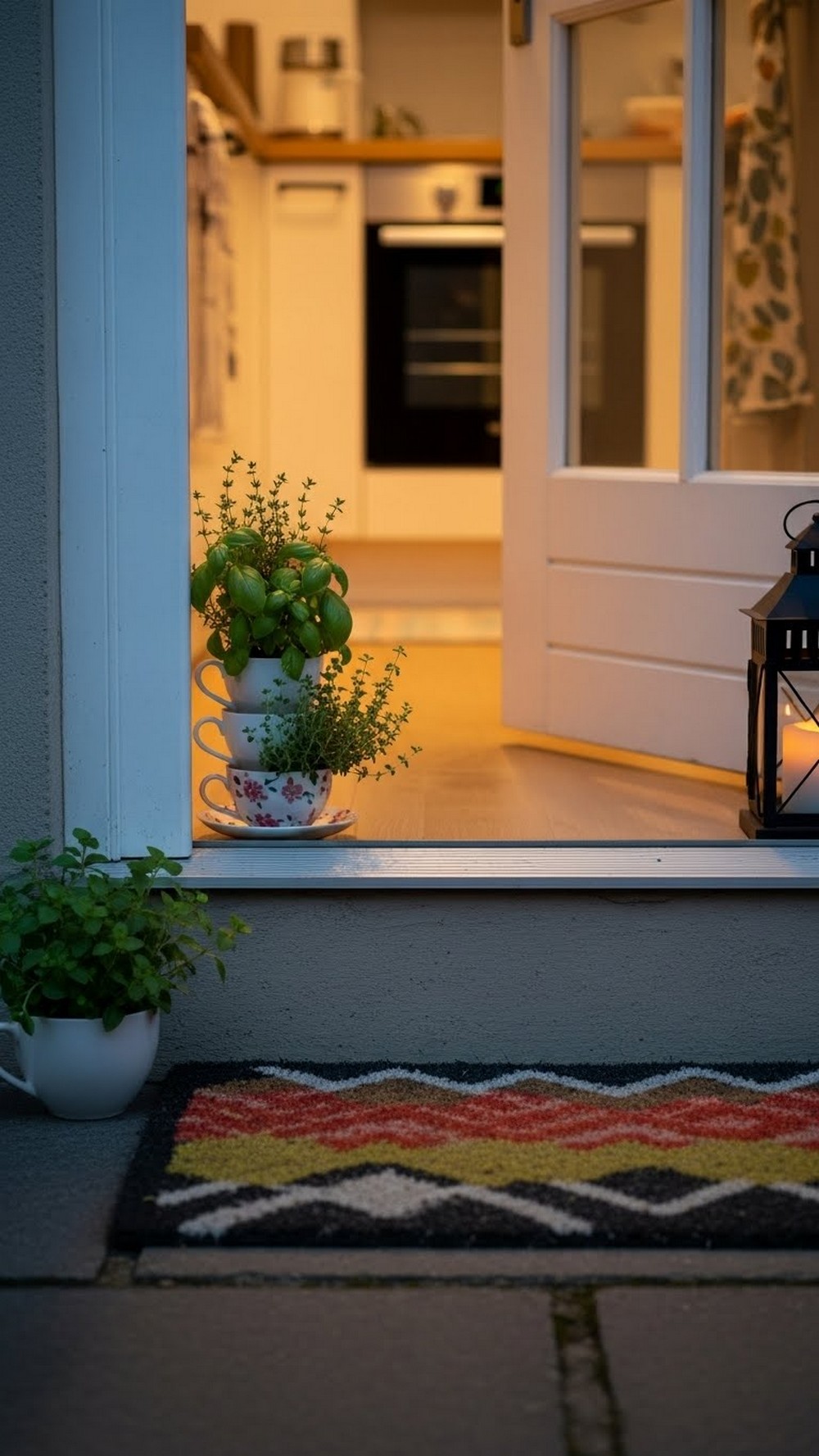
Place a compact teacup herb tower by your kitchen door so you can snip herbs as you cook. Use everyday favorites like basil, thyme, and oregano and keep the tower at a comfortable height for quick picking. Add a lantern or small light nearby for evening convenience.
- Best For: Busy cooks who love fresh herbs.
- Budget Tip: Start with a short tower and add cups as you collect more.
- Styling Idea: Choose cups you genuinely love since you’ll see them every day.
- Practical Note: Leave enough space so the tower doesn’t block the doorway.
- Care & Maintenance: Refresh soil and replant herbs at least once a year.
Conclusion
Recycled mismatched teacups can do far more than gather dust in a cupboard—they can become towers of scent, color, and personality in your garden. Whether you go for rustic crates, modern monochrome stacks, or playful kids’ creations, each idea adds height and charm without demanding much space or money. Start with one simple tower, learn what works in your light and climate, then slowly build a little teacup herb collection that feels completely your own.
FAQs
1. How can I make a teacup herb tower on a small budget?
Use cups you already own or pick up very cheap ones from markets or charity shops. Look for free or inexpensive bases like old crates, tubs, or pallets, and use leftover wood or metal rods for structure. Start with a short tower and a few herbs, then add more cups over time rather than buying everything at once.
2. Are teacup herb towers suitable for renters?
Yes, they’re perfect for renters because most designs are freestanding or simply lean against walls or fences. Choose options like crate bases, tubs, or portable stands that don’t need drilling into walls. If you do use shelves, limit them to railings or removable fixtures that can easily come with you when you move.
3. What herbs work best in small teacup planters?
Compact herbs such as thyme, chives, small-leaf basil, oregano, mint, and parsley perform well in smaller containers. Avoid very deep-rooted plants and instead pick varieties that tolerate being trimmed often. Be ready to refresh plants when they get root-bound; a teacup is a small home, but perfect for a season or two of growth.
4. How do I make sure teacup planters drain properly?
Always drill a small drainage hole in the base of each cup and add a thin layer of gravel or broken crockery at the bottom. Use a free-draining potting mix rather than heavy garden soil. Place cups on saucers, in trays, or inside tubs so overflow doesn’t damage surfaces or drip where you don’t want it.
5. Will teacup herb towers survive bad weather outside?
Most teacups cope well with normal outdoor weather, but extreme frost or intense heat can be hard on both plants and china. In very cold climates, move towers under cover or into a shed for winter. In hot weather, shift them into partial shade and water more frequently. If you’re worried about breakage, use sturdier mugs or enamelware on the lower levels.
6. What’s the easiest teacup herb tower idea for beginners?
A simple classic tower in a heavy pot, or a short stack on a tray or cake stand, is usually the easiest place to start. You only need a few cups, a central support, and some easy herbs. Once you see how they grow and how often they need water, you’ll feel more confident trying taller towers or wall-mounted displays.