10 Rustic Pallet Vertical Garden Wall Planter Ideas For Cozy Green Spaces
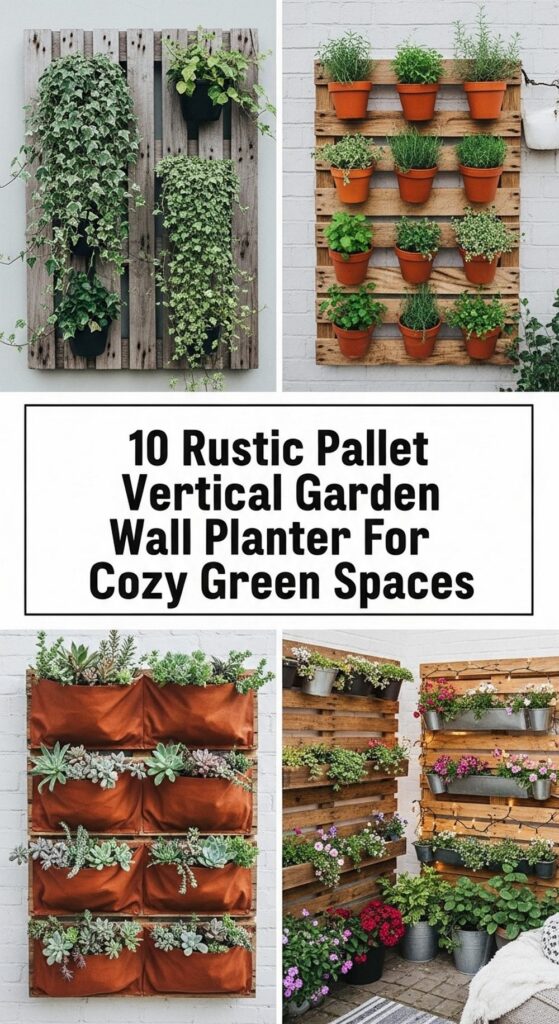
If you love the look of rustic wood and overflowing greenery, a pallet vertical garden wall is the perfect project. It’s ideal for home gardeners, renters, and small-space owners who want to add more plants without sacrificing floor space. With just a simple pallet and a few basic supplies, you can turn a blank wall into a lush, living feature.
In this post, you’ll find ten easy, realistic ideas using reclaimed pallets: from herb walls by the kitchen door to tiny balcony rail gardens and leafy privacy screens. Each idea is budget-friendly, great for beginners, and designed to make your outdoor space feel more welcoming, personal, and charming.
Quick List
- Weathered Pallet Herb Wall By The Patio
- Mason Jar Pallet Planter For Cottage Charm
- Terracotta Pot Pallet Wall For Mediterranean Vibes
- Rustic Pallet Strawberry And Berry Tower
- Shaded Fern And Foliage Pallet Wall
- Pallet Succulent Patchwork Panel
- Crate-And-Pallet Kitchen Garden Wall
- Pallet Wall With Hanging Lanterns And Planters
- Narrow Balcony Pallet Rail Garden
- Pallet Wall Divider For Privacy And Greenery
1. Weathered Pallet Herb Wall By The Patio
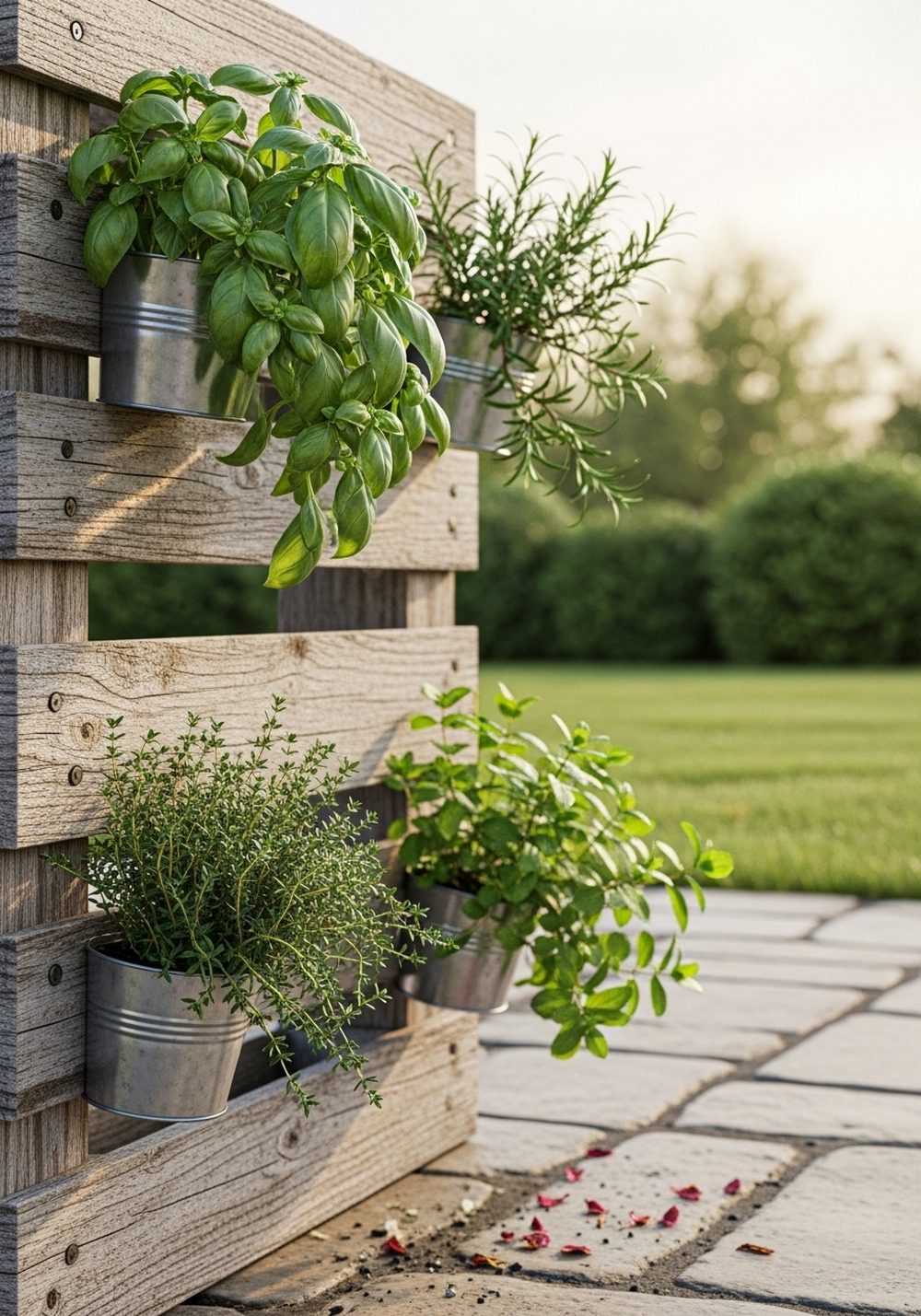
A weathered pallet herb wall is a simple way to keep fresh flavors at your fingertips while adding rustic charm to your outdoor seating area. Stand or mount an old pallet against a fence or wall, reinforce the back with landscape fabric, and fill pockets with good-quality potting mix. Plant easy herbs like basil, thyme, parsley, and mint. The faded timber and lush green leaves make a beautiful contrast, especially beside stone paving or outdoor furniture.
- Best For: Patios, back doors, and small courtyards near the kitchen.
- Budget Tip: Use a salvaged pallet and reuse old metal tins or small pots as herb containers.
- Styling Idea: Leave the wood natural and pair with neutral cushions and linen tablecloths for a relaxed, rustic feel.
- Practical Note: Keep the pallet within easy reach so you can water and harvest herbs often.
- Care & Maintenance: Trim herbs regularly to prevent them from getting woody and to encourage fresh growth.
2. Mason Jar Pallet Planter For Cottage Charm
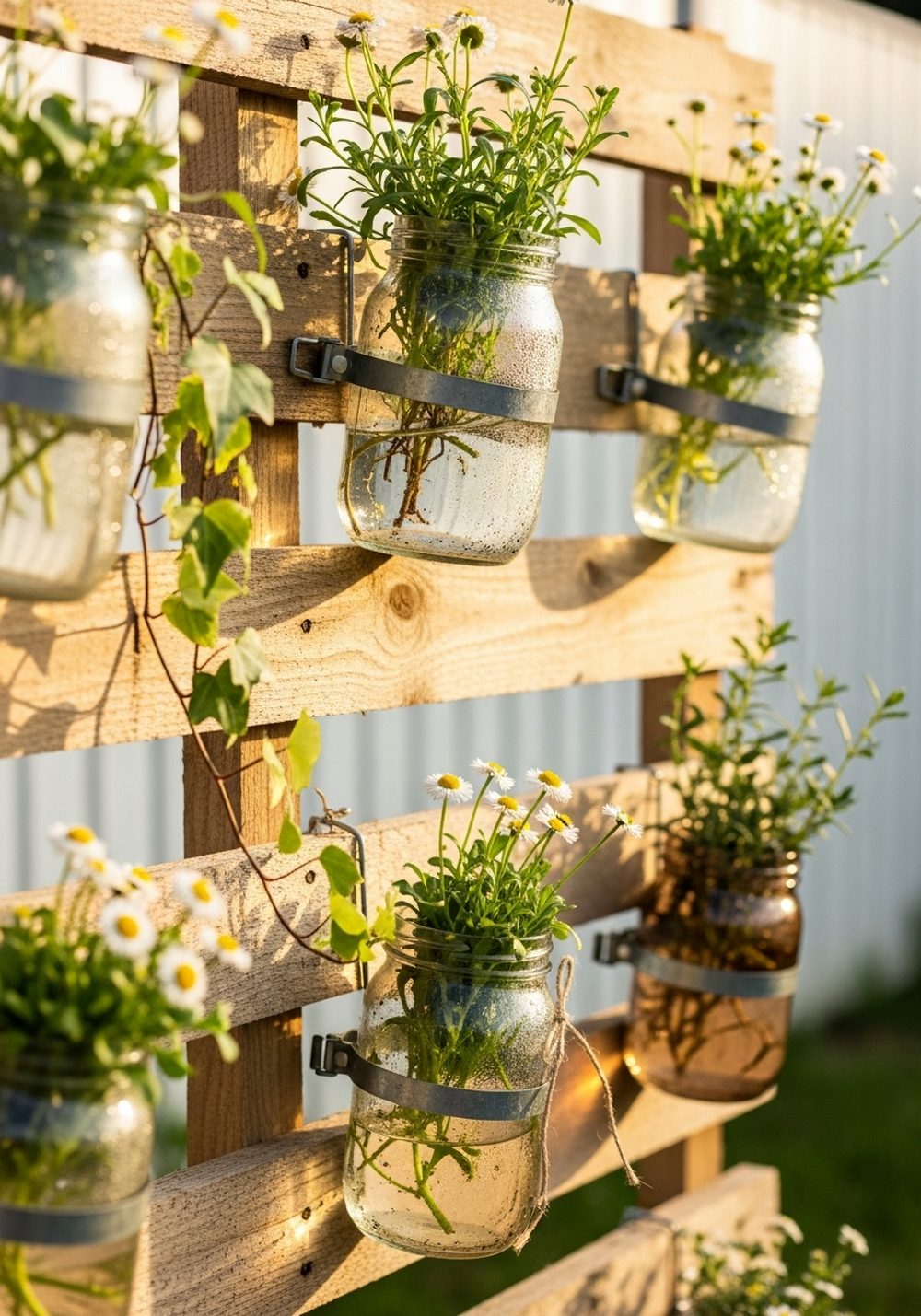
Combine clear mason jars and a pallet wall for a sweet, cottage-inspired vertical garden. Secure metal jar clamps or hose clamps to the pallet boards, then slide in jars filled with potting mix and small plants. Think trailing ivy, petite daisies, or fragrant herbs. The glass catches the light beautifully, and the jars create a neat grid of greenery that looks lovely by a back door or along a shed wall. It’s a great way to show off cuttings and smaller plants.
- Best For: Cottage-style gardens, porches, and pretty side alleys.
- Budget Tip: Collect second-hand jars and clamps, and propagate plants from cuttings instead of buying new.
- Styling Idea: Mix clear and lightly tinted jars, and keep to soft whites, greens, and pastels for a romantic mood.
- Practical Note: Drill drainage holes in jar lids or add a layer of pebbles at the bottom to avoid waterlogging.
3. Terracotta Pot Pallet Wall For Mediterranean Vibes
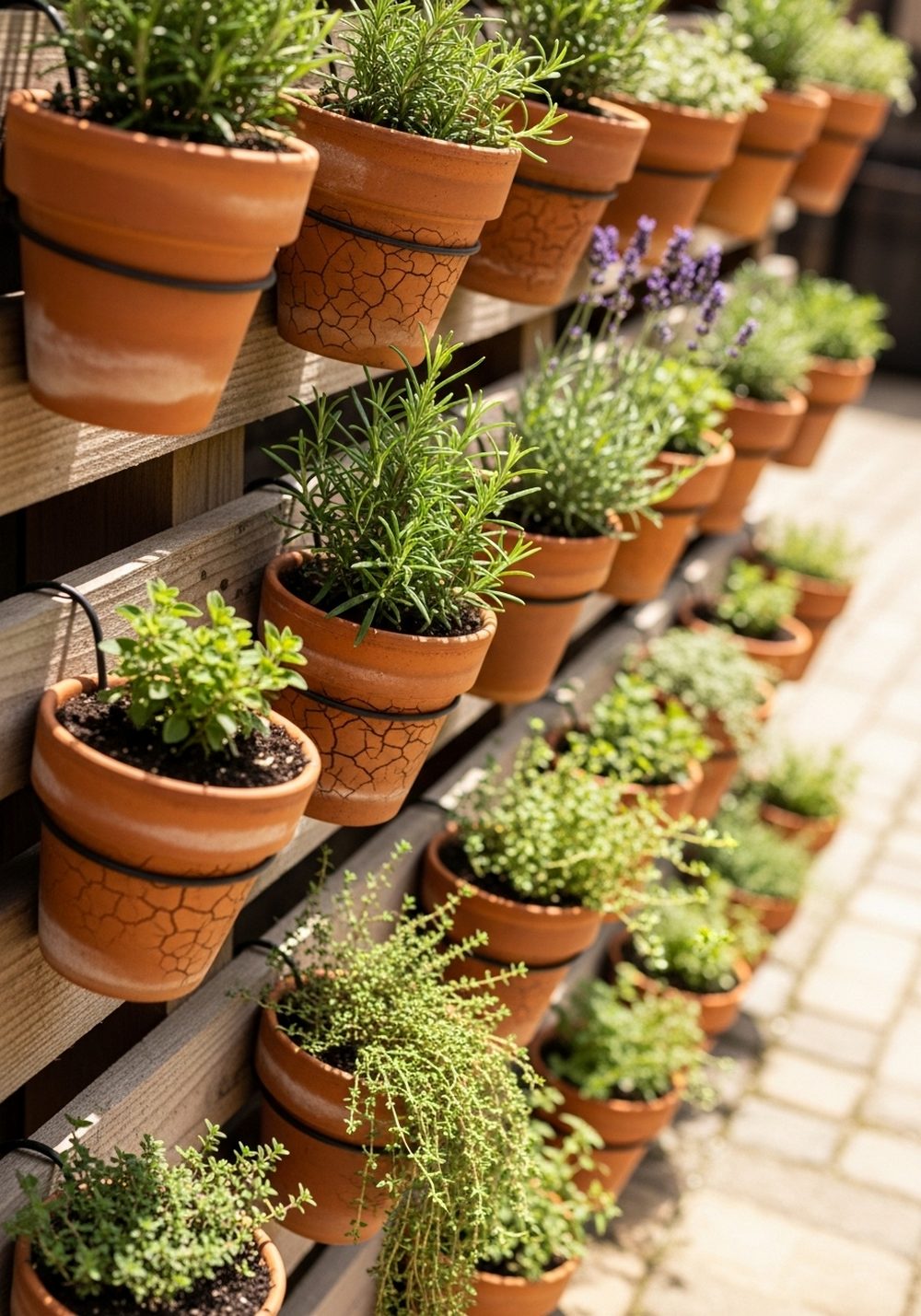
Terracotta pots on a pallet wall bring instant Mediterranean character to even the smallest yard. Attach pot holders or sturdy brackets to the pallet slats, then slot in small terracotta pots planted with lavender, rosemary, thyme, and hardy geraniums. The warm clay tones and aromatic foliage give a sun-drenched feel, especially against painted plaster or brick. Arrange the pots in staggered rows so the different heights and textures create a natural, layered look.
- Best For: Sunny walls, courtyard gardens, and warm, sheltered spots.
- Budget Tip: Buy small terracotta pots in bulk and start plants from seeds or small nursery plugs.
- Styling Idea: Pair with woven baskets, warm-toned cushions, and string lights for a relaxed Mediterranean corner.
- Practical Note: Terracotta dries out quickly, so water more often in hot weather.
- Care & Maintenance: Rotate pots occasionally so all plants receive similar light levels and stay balanced.
4. Rustic Pallet Strawberry And Berry Tower
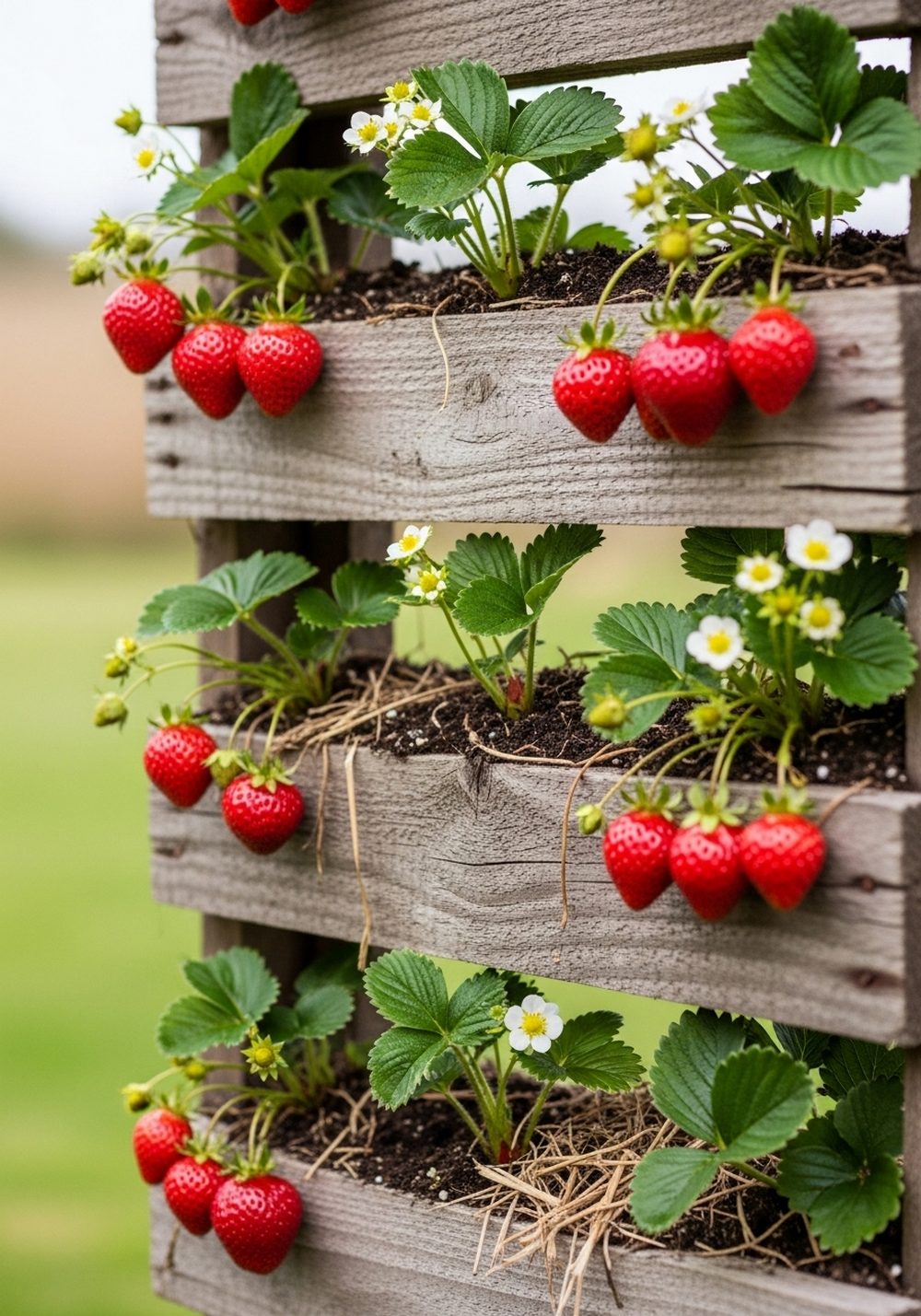
Turn a simple pallet into a strawberry and berry tower by creating planting pockets between the slats. Lay the pallet flat, staple landscape fabric along the back and sides to form troughs, then fill with rich, well-draining soil before standing it upright. Plant strawberries along the lower sections and smaller berry varieties or trailing flowers above. As the plants grow, they spill over the edges, creating a cascading wall of fruit and foliage that looks beautiful and tastes even better.
- Best For: Families, edible gardens, and anyone who loves snacking straight from the garden.
- Budget Tip: Start with bare-root strawberry plants and one pallet, adding more varieties each year.
- Styling Idea: Lean the pallet against a white fence or shed to make the red berries pop visually.
- Practical Note: Ensure the pallet is firmly supported; a fruit-filled wall can become heavy.
- Care & Maintenance: Mulch with straw to keep berries clean and water consistently for juicy fruit.
5. Shaded Fern And Foliage Pallet Wall
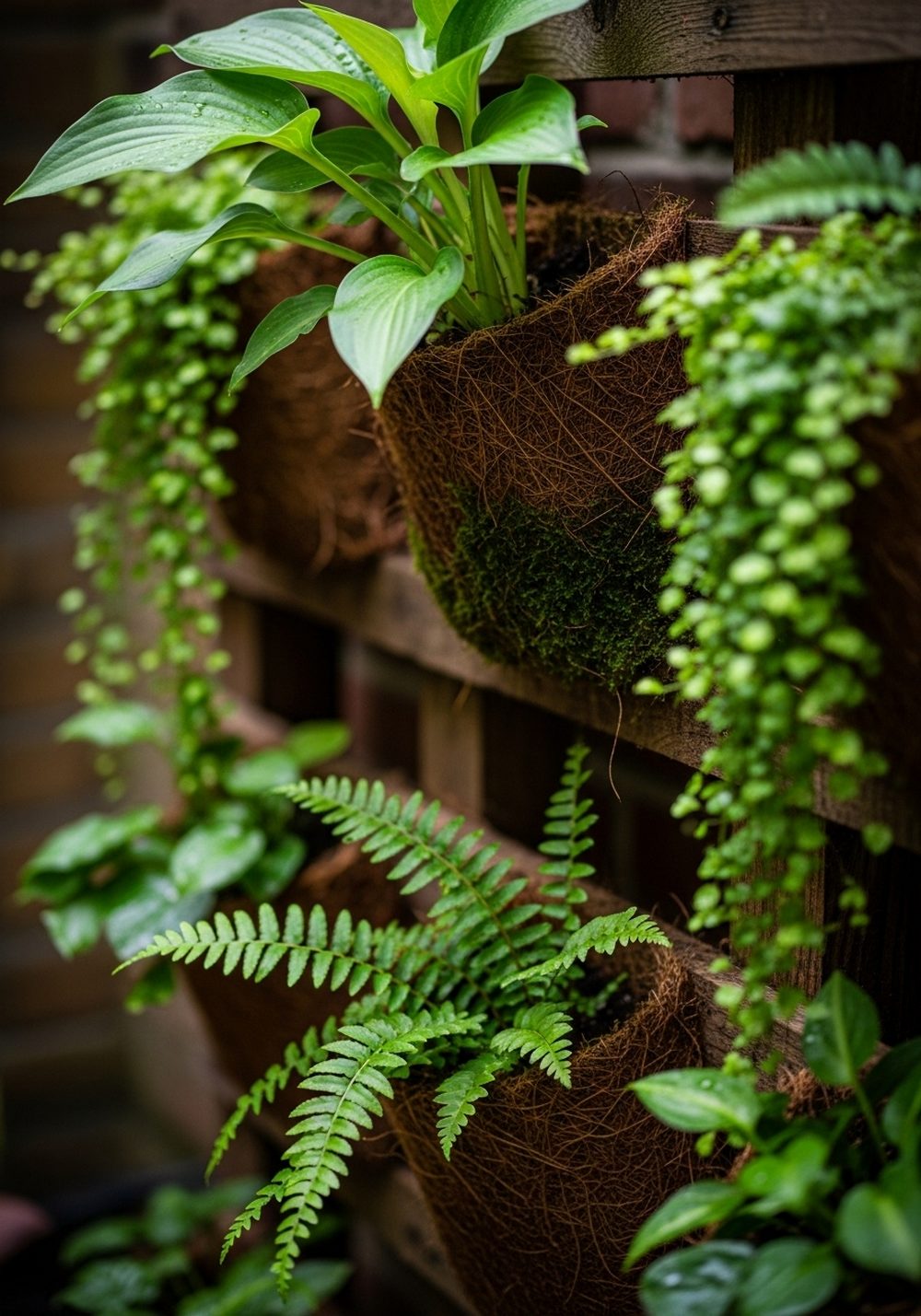
If you have a dull, shady corner, a pallet planted with ferns and foliage plants can transform it into a lush, woodland-style feature. Line the pallet with thick landscape fabric and fill the pockets with moisture-retentive compost. Choose shade lovers like ferns, hostas, and trailing ivy for a layered look of different leaf shapes and greens. The contrast of soft fronds against rough wood makes the wall feel calm and inviting, especially beside a bench or water feature.
- Best For: Shady side yards, north-facing walls, and under trees.
- Budget Tip: Divide mature ferns and hostas from other parts of the garden to populate the pallet cheaply.
- Styling Idea: Add a stone birdbath or simple bench nearby for a serene, forest-like atmosphere.
- Practical Note: Shade-loving plants still need some indirect light; avoid very dark corners.
- Care & Maintenance: Keep the soil consistently moist and refresh mulch or compost each spring.
6. Pallet Succulent Patchwork Panel
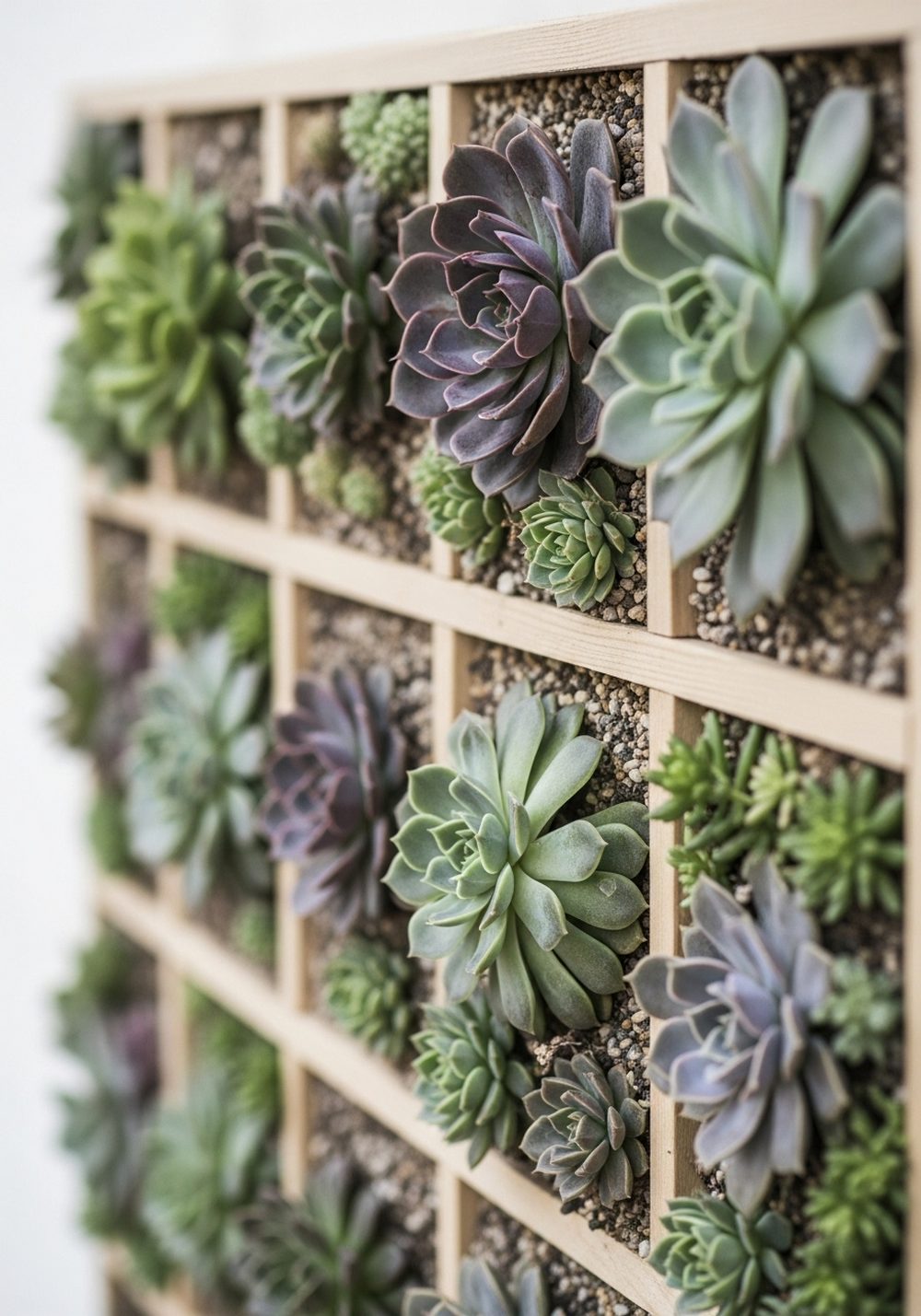
For a low-maintenance, sculptural look, create a pallet succulent panel that feels like a living piece of art. Build shallow planting boxes within the pallet frame, line them well, and fill with gritty, free-draining compost. Plant a mix of small succulents—rosettes, trailing varieties, and tiny sedums—in tight clusters. When grown in, they form a patchwork of shapes and colors, like a soft quilt pinned vertically. This works brilliantly on a sunny wall where you want greenery but minimal upkeep.
- Best For: Busy gardeners, hot balconies, and modern rustic spaces.
- Budget Tip: Buy a few succulents and propagate leaf cuttings to fill out the panel over time.
- Styling Idea: Keep the pallet wood sanded but raw, and pair with simple metal furniture for a clean rustic-modern mix.
- Practical Note: Tilt the pallet slightly backward during establishment so soil doesn’t spill out.
- Care & Maintenance: Water sparingly and protect from heavy winter rain if your climate is wet.
7. Crate-And-Pallet Kitchen Garden Wall
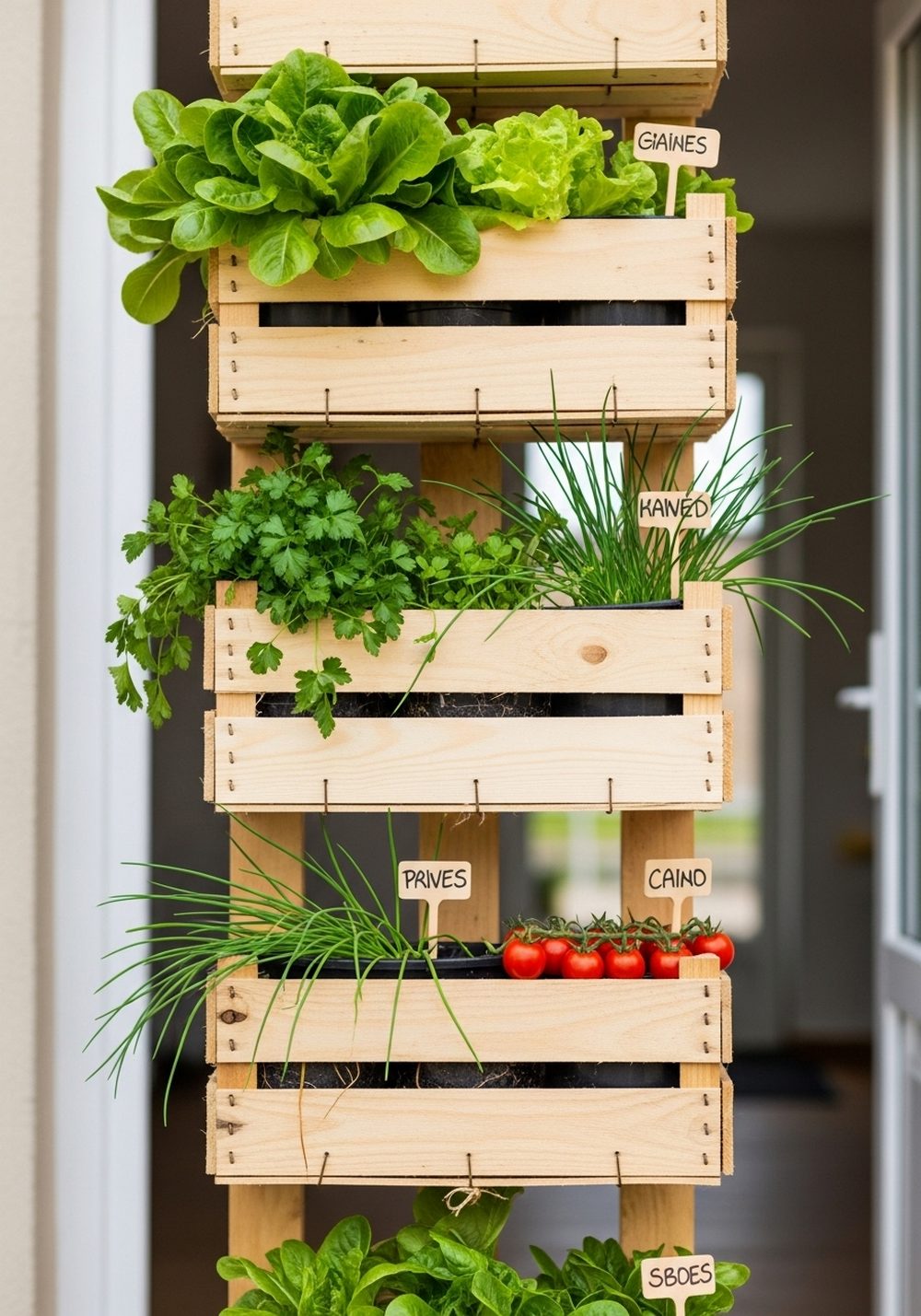
Combine old wooden crates with a pallet frame to build a vertical kitchen garden that looks like a rustic pantry wall. Attach different-sized crates to the pallet, creating shelves and deep boxes. Fill them with leafy greens, herbs, and compact vegetables like chili plants or cherry tomatoes. The staggered arrangement adds depth and makes it easy to group plants by type. Set this near your back door or on a balcony so you can harvest quickly while cooking.
- Best For: Food lovers, kitchen doorsteps, and narrow side passages.
- Budget Tip: Mix free fruit crates, old wooden boxes, and one pallet instead of buying planters.
- Styling Idea: Add hand-written wooden tags or chalk-painted labels for a charming market-stall feel.
- Practical Note: Place thirstier plants lower where they catch more runoff when you water.
- Care & Maintenance: Refresh soil between crops and rotate plant types to avoid pests building up.
8. Pallet Wall With Hanging Lanterns And Planters
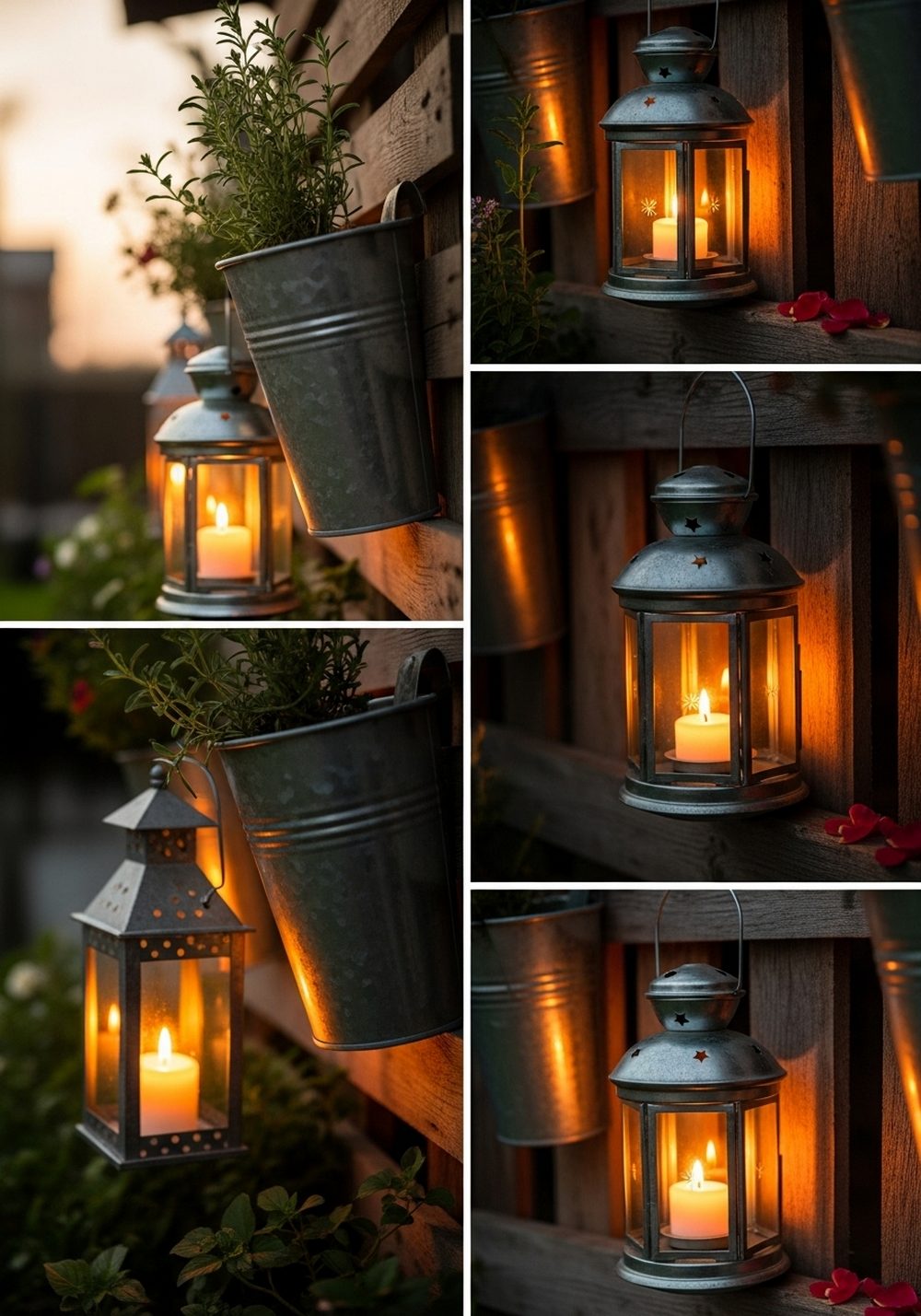
Blend light and greenery by pairing planters and lanterns on a pallet wall. Fix sturdy hooks along the slats, alternating between small metal or ceramic pots and hanging lanterns. Fill the pots with trailing plants and seasonal blooms, then add solar or LED candles in the lanterns. At dusk, the lanterns glow softly around the foliage, turning even a plain fence into a magical focal point. It’s an easy way to bring atmosphere to a seating or dining area.
- Best For: Evening entertaining areas, decks, and patios.
- Budget Tip: Use inexpensive jam jars as lanterns and simple metal buckets as planters.
- Styling Idea: Stick to one metal finish (like galvanized steel) and a simple color palette of white flowers and green foliage.
- Practical Note: Choose battery or solar lights rather than real candles in windy or busy areas.
- Care & Maintenance: Check hooks regularly so both lanterns and pots stay secure.
9. Narrow Balcony Pallet Rail Garden
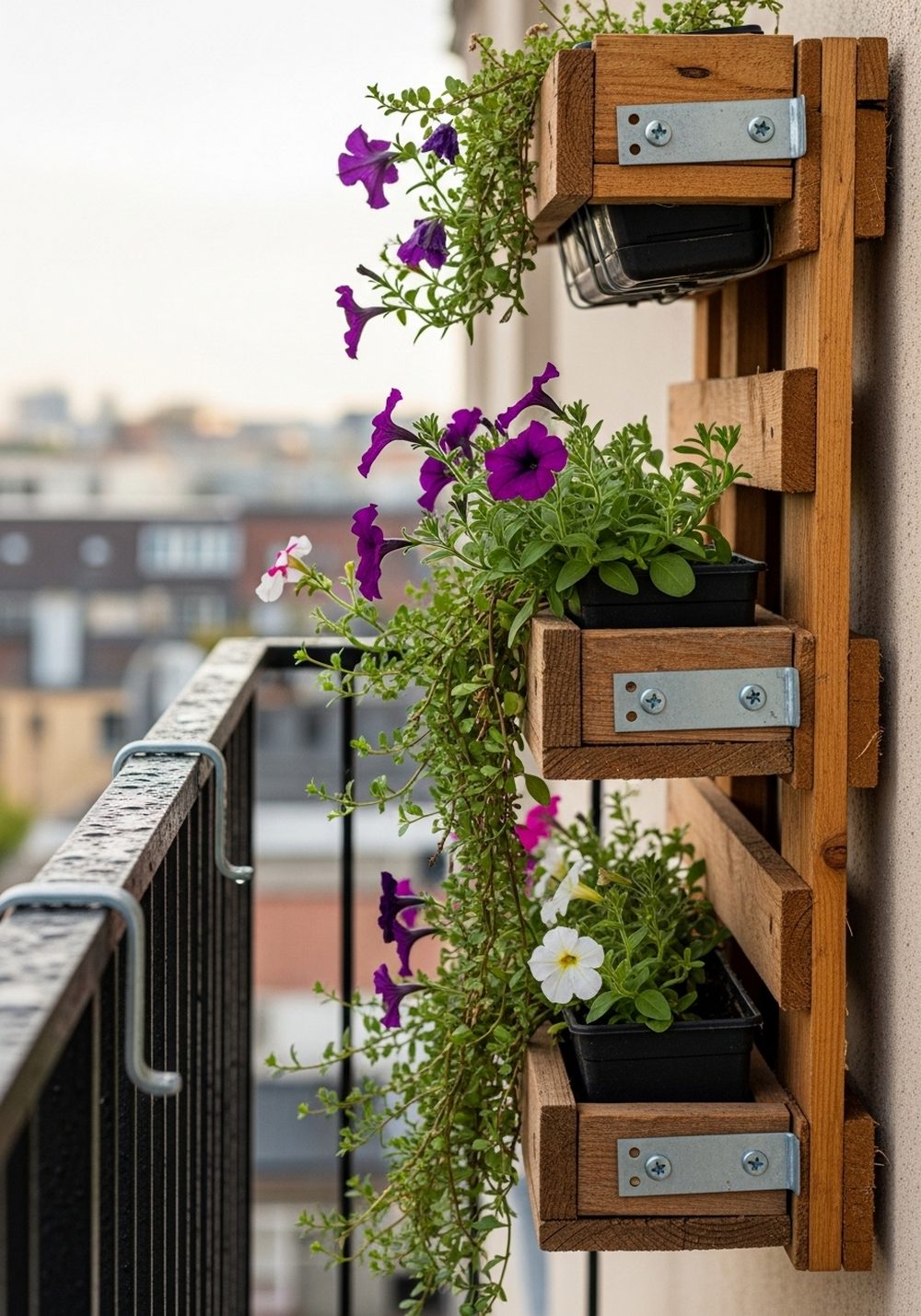
On a narrow balcony, a slim pallet rail garden gives you room for plants without losing precious floor space. Secure a pallet vertically to the balcony railing using strong brackets or ties. Attach shallow troughs, small pots, or fabric pockets to the slats and plant compact herbs, flowers, or salad leaves. The vertical layout keeps everything neat and off the ground, while the rustic wood softens the hard lines of concrete and metal railings.
- Best For: Apartment balconies and very small outdoor spaces.
- Budget Tip: Repurpose food tins or plastic bottles as mini troughs and cover them with jute or twine.
- Styling Idea: Choose plants in similar colors (like all whites and greens) to keep the small area calm and cohesive.
- Practical Note: Check weight limits and secure the pallet safely to withstand wind.
- Care & Maintenance: Use self-watering inserts or water-retaining compost to reduce how often you need to water.
10. Pallet Wall Divider For Privacy And Greenery
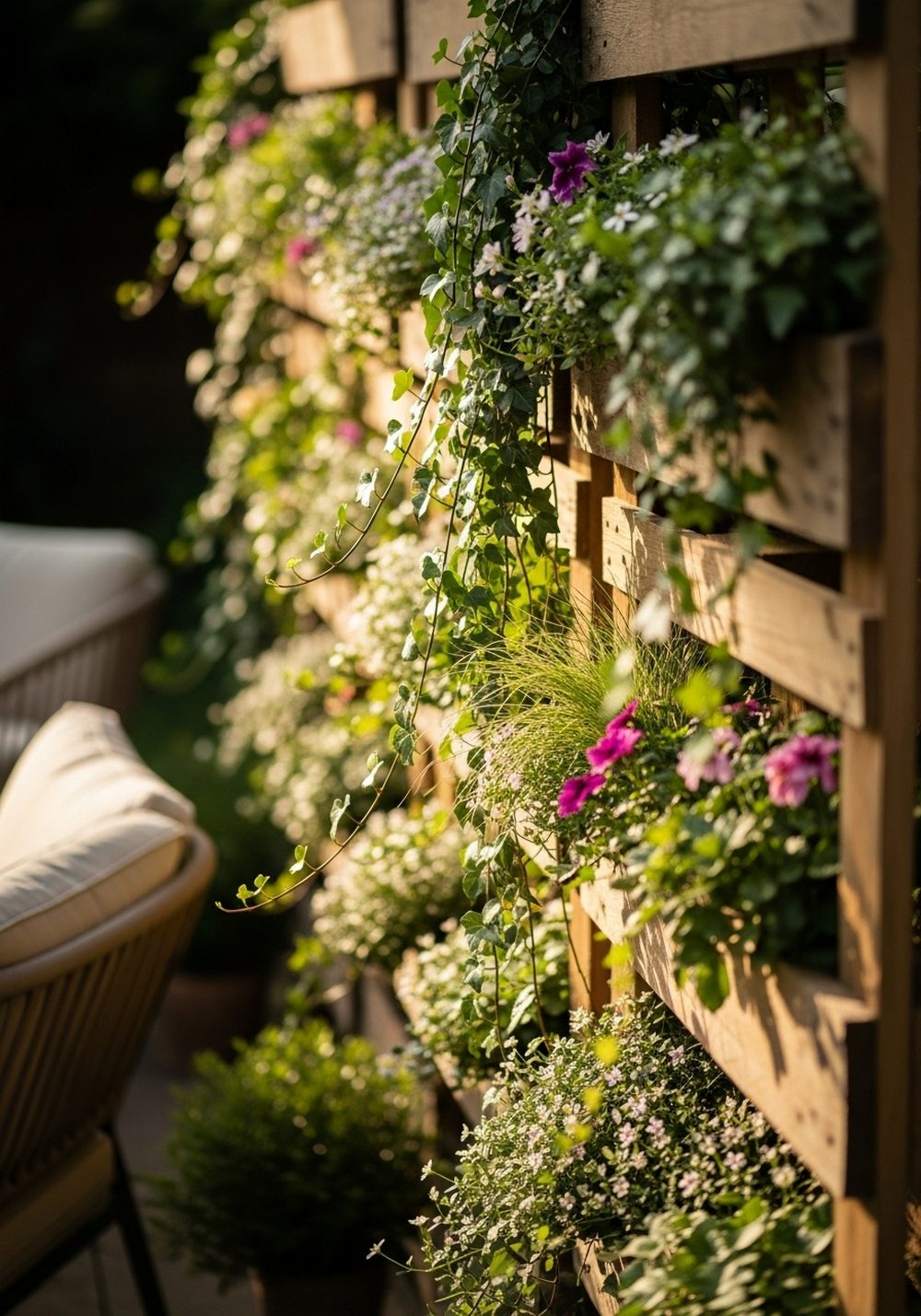
A tall pallet wall planted thickly with climbing and trailing plants can act as a living divider between different areas of your garden. Fix the pallet panels to sturdy posts or an existing fence, line them, and fill with soil. Plant ivy, flowering annuals, and soft grasses at different levels, letting them spill and climb to cover the structure. This creates a natural screen that feels cozy rather than closed-in, perfect for hiding bins or creating a snug seating nook.
- Best For: Creating privacy on patios, terraces, or between garden zones.
- Budget Tip: Use fast-growing climbers from cuttings and inexpensive annuals to fill gaps in the first year.
- Styling Idea: Place a bistro set or outdoor armchairs against the green wall for an intimate, leafy corner.
- Practical Note: Anchor posts securely; a planted divider can catch the wind like a sail.
- Care & Maintenance: Prune regularly to keep plants under control and maintain your preferred level of coverage.
Conclusion
Rustic pallet vertical garden walls are an easy way to add height, texture, and personality to almost any outdoor space. With a single reclaimed pallet and a bit of creativity, you can grow herbs, flowers, and even fruit while dressing up bare walls and fences. Start with one simple idea—perhaps a herb wall or balcony rail garden—and let your confidence grow. Over time, you’ll build a lush, layered backdrop that makes your garden feel truly yours.
FAQs
Q1. Can I make a pallet vertical garden on a very small budget?
Yes. Look for free pallets from local shops, reuse containers like tins and jars as planters, and start plants from seeds or cuttings. Focus on one pallet first, then add more plants and features slowly as your budget allows.
Q2. Are pallet vertical gardens suitable for renters?
They can be, as long as you avoid drilling into walls you don’t own. Lean pallets against fences, use freestanding supports, or attach them to balcony rails with removable straps. Choose lightweight containers and be sure everything is stable and secure.
Q3. What plants are best for low-maintenance pallet walls?
Succulents, hardy herbs like rosemary and thyme, trailing ivy, and many small ferns work well. They generally cope with less frequent watering and can stay attractive with minimal pruning. Just match your plant choices to the amount of sun or shade in your chosen spot.
Q4. How do I stop my pallet wall planter from drying out too quickly?
Line the back and sides with landscape fabric to hold soil, add compost with water-retaining granules, and mulch the surface with bark or straw. Group thirstier plants toward the bottom pockets where water naturally collects. Self-watering inserts can also help in hot climates.
Q5. Is it safe to use any pallet for growing edibles?
Not all pallets are suitable. Choose clean, heat-treated pallets, avoid those with chemical stains, strong odors, or unknown markings, and sand down rough areas. If in doubt, line all planting pockets thoroughly so the soil has minimal contact with the wood.
Q6. What’s the easiest pallet vertical garden idea for beginners?
A simple herb wall or a few pots attached to a pallet is a great place to start. You only need one pallet, a handful of plants, and basic tools. Once you’re comfortable with watering and fixing containers securely, you can experiment with larger, more decorative designs.