10 Transform Unusual Junk Into Stunning Garden Features

If you love the idea of a beautiful garden but don’t have a big budget, this post is for you. Instead of heading straight to the garden centre, we’re going to raid the shed, rummage in the attic, and give forgotten “junk” a second life outdoors.
You’ll find ten simple, creative ways to transform old ladders, tubs, bikes, and more into eye-catching garden features. These ideas are beginner-friendly, renter-friendly, and mostly low cost. With a few plants, some paint, and a bit of imagination, you can turn tired scraps into charming pieces that make your outdoor space feel personal, playful, and full of character.
Quick List
- Turn A Rickety Ladder Into A Vertical Planter
- Style A Rusty Bicycle As A Flower Display
- Transform An Old Bathtub Into A Mini Garden Pond
- Use Broken Pots And China For Mosaic Edging
- Build A Herb Wall From Crates And Pallets
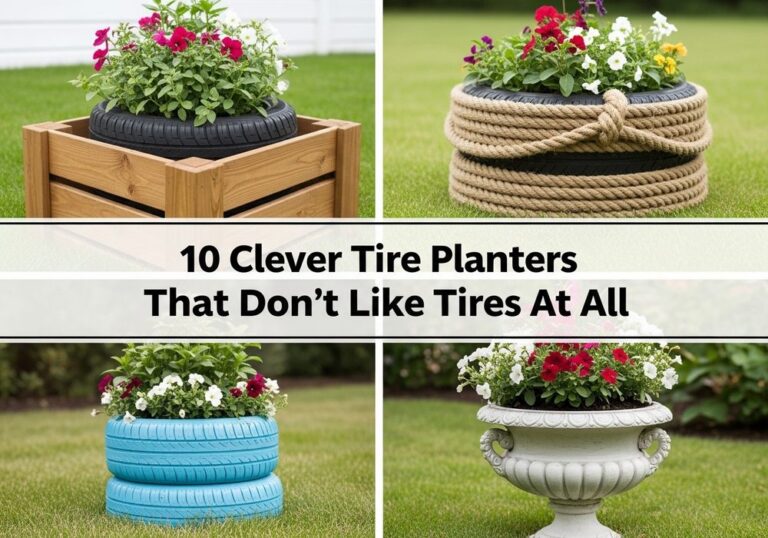
- Stack Old Tires Into Sculptural Planters
- Hang Teacups And Kettles As Whimsical Planters
- Frame The Garden With Salvaged Windows And Doors
- Make A Vintage Bed Frame Into A Flower “Bed”
- Create A Quirky Hanging Light From Old Kitchenware
1. Turn A Rickety Ladder Into A Vertical Planter

A worn-out wooden ladder is the perfect starting point for a vertical garden. Lean it safely against a wall or fence, then line each rung with small pots of herbs, trailing ivy, or seasonal blooms. The height draws the eye upwards and instantly adds structure to a dull corner. You get layers of green without using much floor space, and the aged wood gives everything a charming, rustic feel that looks intentional rather than cluttered.
- Best For: Narrow side passages, balconies, or small patios where floor space is limited.
- Budget Tip: Use mismatched thrifted pots or tin cans painted in one colour to tie everything together.
- Styling Idea: Keep plants in a soft colour palette (whites, blues, greens) for a calm cottage look.
- Practical Note: Secure the ladder with brackets or hooks so it can’t slip or be knocked over.
- Care & Maintenance: Choose plants with similar water needs and keep a watering can nearby for easy access.
2. Style A Rusty Bicycle As A Flower Display

That old bike gathering dust can become a show-stopping planter. Position the bicycle where it can be admired from the house, then fill the front basket, rear rack, or added baskets with soil and colourful flowering plants. Allow trailers to spill over the edges to soften the metal frame. The contrast between rust and blooms creates a nostalgic, romantic focal point that looks like it wandered out of a vintage postcard.
- Best For: Front gardens where you want a fun, welcoming feature near the path or gate.
- Budget Tip: Ask friends, neighbours, or local buy-nothing groups for an unwanted bike and baskets.
- Styling Idea: Choose one or two main flower colours and repeat them so the display looks curated, not chaotic.
- Practical Note: Wedge or stake the bike firmly into the ground so it doesn’t tip in wind.
- Extra Idea: Wrap solar fairy lights around the frame for a magical evening glow.
3. Transform An Old Bathtub Into A Mini Garden Pond

A discarded bathtub can become a charming mini pond or bog garden. Sit it on bricks or directly on the ground, check for any sharp edges, then line it if needed and fill with water, stones, and a few easy aquatic plants. Surround the base with gravel, low-growing plants, and perhaps a small bench so it feels like a deliberate feature. The glossy surface of the water reflects sky and greenery, instantly making the garden feel cooler and more tranquil.
- Best For: Sunny to lightly shaded corners where you’d like a small wildlife-friendly feature.
- Budget Tip: Use collected rainwater and locally sourced stones rather than fancy water features.
- Practical Note: If you have children or pets, keep the water shallow or add a secure mesh just under the surface.
- Styling Idea: Paint the outside of the tub a soft neutral or muted green to blend with the garden.
- Care & Maintenance: Scoop out fallen leaves regularly and thin plants so they don’t take over.
4. Use Broken Pots And China For Mosaic Edging
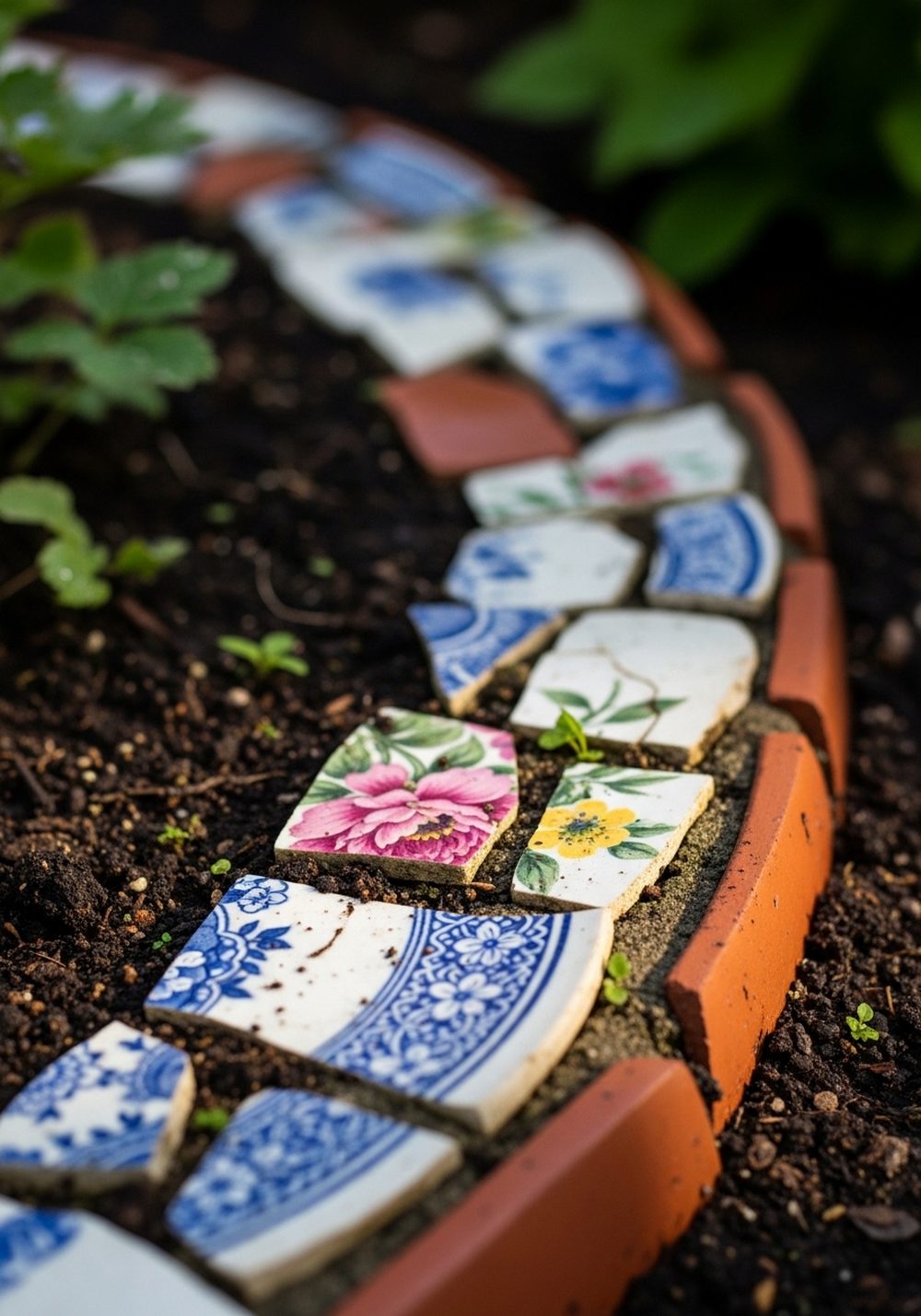
Don’t throw away cracked pots or chipped plates—turn them into quirky edging around beds and paths. Break them safely (wrapped in a towel and tapped with a hammer), then press the pieces into the soil with the patterned or terracotta side facing out. This creates a colourful, textured border that catches the light and outlines your planting in a playful way. It’s a brilliant way to recycle sentimental pieces you can’t quite bear to bin.
- Best For: Curved beds, herb gardens, or borders around seating areas.
- Budget Tip: Ask charity shops for unsellable cracked china, or use broken kitchenware you already have.
- Styling Idea: Stick to one colour family (all blues, all whites, or all terracotta) for a more polished finish.
- Practical Note: Make sure sharp edges are pushed firmly into the soil and not at child or pet height.
- Extra Idea: Use smaller fragments to create stepping-stone mosaics set in concrete or pavers.
5. Build A Herb Wall From Crates And Pallets

Old pallets and wooden crates can quickly become a rustic herb wall. Fix the pallet securely to a wall or fence, then screw or hook crates onto it like shelves. Fill them with lightweight potting mix and plant herbs, strawberries, or small ornamentals. The layered structure adds depth and interest to a flat surface, and the printed marks and rough wood give it that relaxed, reclaimed look. You end up with a living spice rack that smells amazing every time you brush past.
- Best For: Sunny walls near the kitchen door, balconies, or small patios.
- Budget Tip: Ask local shops or markets for unwanted crates and pallets rather than buying new ones.
- Styling Idea: Label each herb with simple wooden tags or chalkboard paint for a charming “market stall” feel.
- Practical Note: Make sure the wall fixings are strong enough to hold the weight of wet soil.
- Care & Maintenance: Use good drainage and water regularly—vertical planters dry out faster.
6. Stack Old Tires Into Sculptural Planters

Old tires can be surprisingly stylish when cleaned, painted, and stacked with care. Arrange one, two, or three tires, fill them with soil, and plant with bold foliage or bright flowers. The circular shapes and ridged textures lend a sculptural feel, especially when you stick to a simple colour scheme. Positioned near a bare wall or fence, these planters act almost like outdoor sculptures that also happen to be very practical.
- Best For: Utility areas, driveways, or corners that need strong shapes and tough planting.
- Budget Tip: Look for used tires at local garages; many are happy for you to take them.
- Styling Idea: Paint all the tires one colour (charcoal, white, or soft sage) for a modern look, or pastel tones for playful charm.
- Practical Note: Drill a few extra drainage holes to prevent waterlogging in heavy rain.
- Care & Maintenance: Choose heat-tolerant, drought-friendly plants if the tires will be in full sun.
7. Hang Teacups And Kettles As Whimsical Planters

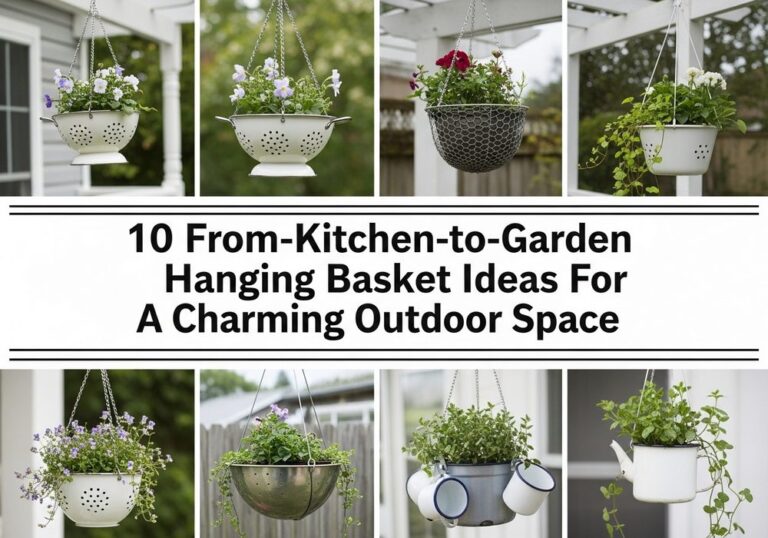
Old teacups, teapots, and kettles are ideal for tiny hanging planters. Drill drainage holes if possible, then fill with grit and soil and tuck in succulents or trailing plants. Hang them from tree branches, pergolas, or a wall-mounted rail with twine, chain, or sturdy hooks. The little shapes and patterns add instant charm and a sense of fun, like a secret fairy tea party scattered around the garden.
- Best For: Small patios, balconies, or any area near a seating spot where details can be appreciated.
- Budget Tip: Collect odd pieces from charity shops, yard sales, or relatives’ cupboards.
- Styling Idea: Mix floral china with plain white or metal pieces for a balanced, eclectic look.
- Practical Note: Avoid placing heavy pieces where they could fall on people—check hooks and fixings often.
- Care & Maintenance: Use drought-tolerant plants and water lightly so you don’t wash soil out of the cups.
8. Frame The Garden With Salvaged Windows And Doors

Old windows and doors can act as magical frames in the garden. Set them upright in the ground or attach them to a fence to suggest gateways and views, then plant around them with climbers, ferns, and shrubs. The peeling paint, old handles, and glass panes give depth and character, making even a small garden feel layered and full of stories. They can also subtly divide different zones without blocking light.
- Best For: Creating a “secret garden” feel, screening off sheds, or adding height to flat fences.
- Budget Tip: Look for salvage yards, demolition sales, or online listings offering items for free.
- Styling Idea: Keep paint in soft, faded tones or sand back to bare wood for a shabby, romantic look.
- Practical Note: Anchor frames firmly and check there are no loose panes or sharp edges.
- Extra Idea: Hang a small mirror behind an empty window frame to reflect greenery and add depth.
9. Make A Vintage Bed Frame Into A Flower “Bed”

A metal or wooden bed frame can literally become a flower bed. Position the frame on bare soil or lawn, mark around it, then remove the turf and fill the space with compost. Plant a dense mix of cottage-style flowers or low shrubs so the whole interior is lush and full. The headboard and footboard outline the planting, turning it into a playful, storybook feature that makes visitors smile.
- Best For: Larger gardens or allotments where you can spare a rectangular planting area.
- Budget Tip: Use divisions from existing plants or cuttings to fill the bed gradually.
- Styling Idea: Choose soft, romantic colours—pinks, purples, whites—and add a few fragrant plants.
- Practical Note: Ensure the frame is free of sharp rust spots where people might brush against it.
- Care & Maintenance: Mulch well and pack plants closely to help suppress weeds inside the frame.
10. Create A Quirky Hanging Light From Old Kitchenware

Old colanders, graters, and metal kitchen bits can become a one-of-a-kind garden light. Flip a colander upside down as a shade, thread warm white fairy lights or a low-voltage outdoor bulb through the holes, and hang it from a pergola or sturdy branch. Layer in smaller pieces like graters or whisks for extra sparkle. At night, the punched holes cast beautiful dotted patterns of light across the table and surrounding plants, turning dinner outside into something special.
- Best For: Outdoor dining areas, pergolas, or cosy corners where you sit in the evening.
- Budget Tip: Use old kitchenware from your own cupboards or pick up cheap pieces second-hand.
- Styling Idea: Stick to all-silver metal for a modern feel, or mix in enamelware for a vintage look.
- Practical Note: Only use safe, outdoor-rated lighting and keep electrical connections protected from rain.
- Extra Idea: Add a dimmer or use solar lights to keep running costs low and the mood soft.
Conclusion
You don’t need a designer budget to have a garden full of personality—just a fresh way of looking at the “junk” around you. By turning ladders, bathtubs, windows, and old kitchenware into creative features, you add stories and charm to every corner of your outdoor space. Start with one simple idea, see how it transforms the mood, and then slowly build up your collection of reclaimed treasures. Before long, your garden will feel uniquely and wonderfully yours.
FAQs
1. How can I decorate my garden on a very small budget?
Focus on what you already have or can get for free. Old pallets, broken pots, unwanted bikes, and spare kitchenware all make great starting points. Combine them with low-cost plants like cuttings from friends, seeds, or supermarket herbs. A little cleaning, paint, and clever placement can turn scraps into attractive features without spending much at all.
2. Are these junk-based ideas suitable for renters?
Yes, most of these ideas are non-permanent or easy to move. Ladder planters, bicycle displays, tire planters, teacup hangers, and kitchenware lights can all be taken with you when you move. Just avoid cementing anything into the ground and use brackets, hooks, or freestanding frames that won’t leave big marks behind.
3. Will using old junk make my garden look messy?
It only looks messy if there’s no plan. Choose a simple colour palette, repeat materials, and group items rather than scattering them everywhere. For example, paint all recycled pieces in similar tones or keep them in one area. Make sure everything is in good repair, safely positioned, and surrounded by healthy plants so it feels intentional and designed.
4. What are some low-maintenance options from these ideas?
Tire planters, the herb wall, and teacup planters can all be low-maintenance if you choose tough plants like succulents, hardy herbs, or drought-tolerant flowers. The window-and-door frames need very little attention beyond an occasional safety check. Focus on sturdy materials and hardy plants to reduce watering and pruning.
5. Are there safety issues I should watch out for when using junk in the garden?
Always check for sharp edges, broken glass, unstable items, and peeling paint that might contain lead if it’s very old. Sand or cover rough spots, secure tall items so they can’t fall, and avoid placing heavy pieces above walkways. If you have children or pets, keep ponds shallow or covered, and place delicate features where they’re less likely to be bumped or climbed on.