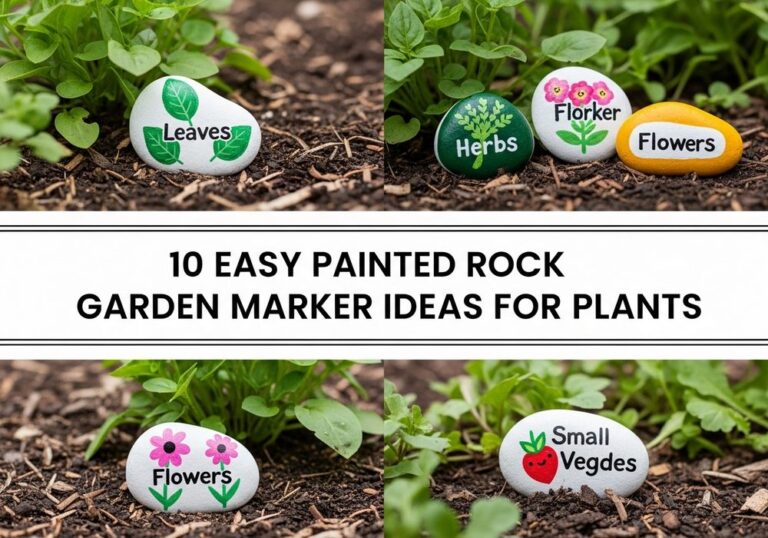
10 DIY Pallet Compost Bin Ideas For A Practical, Pretty Garden
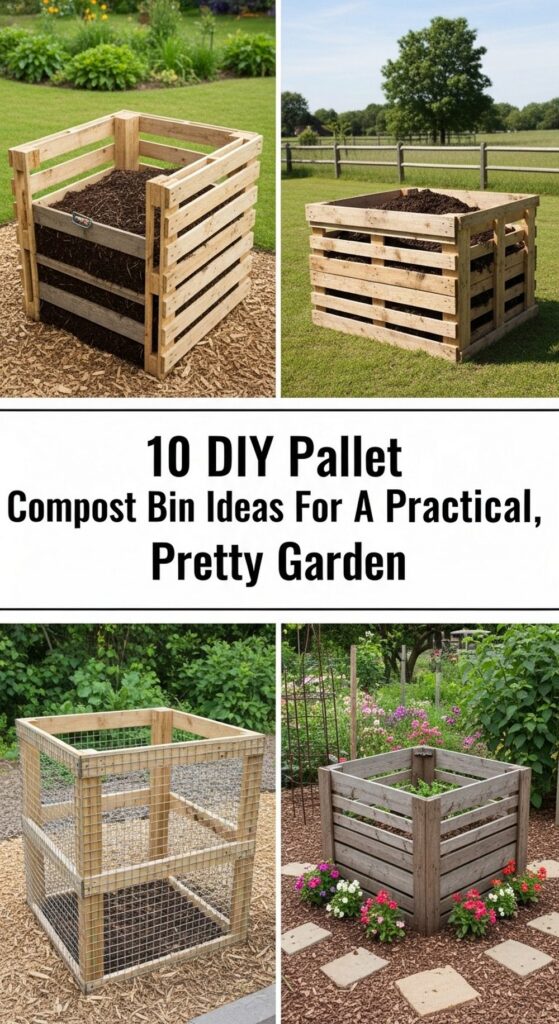
If you’re trying to cut down on garden waste and feed your soil at the same time, a pallet compost bin is a brilliant place to start. Old shipping pallets are usually easy to source, simple to work with, and can quickly become a sturdy home for all your leaves, clippings, and kitchen scraps.
In this guide, you’ll find ten DIY pallet compost bin ideas, from the most basic single-bay box to more stylish painted or screened versions. Each idea is designed to be realistic for home gardeners, including renters and small-space owners, with tips on layout, budget, and maintenance. With a little effort, your compost corner can be both practical and surprisingly attractive.
Quick Lis
- Simple Single-Bay Pallet Compost Bin
- Two-Bay Pallet Compost Station
- Pallet Compost Bin With Hinged Front Door
- Neatly Painted Pallet Compost Bin
- Corner Pallet Compost Bin Tucked Into a Fence
- Pallet Compost Bin With Herb Planter Top
- Three-Bin Pallet Compost System For Serious Gardeners
- Compact Pallet Compost Bin For Small Spaces
- Pallet Compost Bin With Slatted Lid
- Decoratively Screened Pallet Compost Corner
1. Simple Single-Bay Pallet Compost Bin

The most straightforward design is a single-bay compost bin made with four pallets wired or screwed together to form a square. Stand three pallets upright for the back and sides, then attach a fourth pallet at the front, leaving a low gap at the bottom for air and a wider top opening for adding materials. This rustic structure tucks easily into the back of your garden, letting leaves and kitchen scraps slowly turn into rich compost while still looking tidy and intentional.
- Best For: Beginners who want to try composting without a complicated build.
- Budget Tip: Source free pallets locally and use wire or cable ties instead of hardware.
- Styling Idea: Place two or three large terracotta pots with hardy shrubs or grasses beside the bin to soften the look.
- Practical Note: Ensure good airflow by keeping some gaps between boards and layering greens and browns.
2. Two-Bay Pallet Compost Station
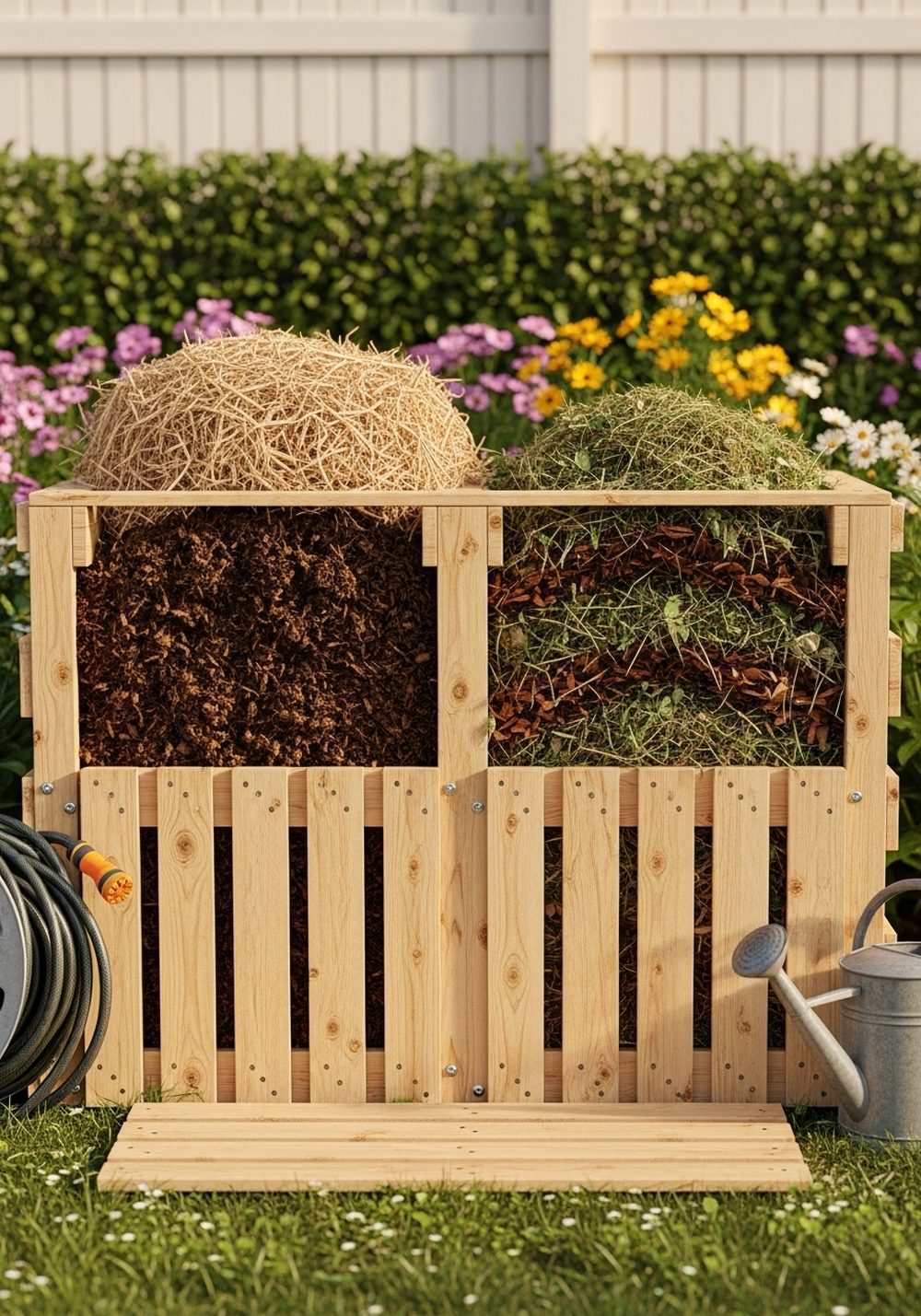
A two-bay pallet compost station lets you manage fresh and maturing compost separately, making the process smoother and more efficient. Build two adjacent pallet boxes sharing a middle wall, so one bay can be for new material and the other for turning and finishing. This layout creates a more “designed” look, especially if you line the front path with gravel or wood chips and add a simple stepping stone in front of each bay for easy access with a fork or shovel.
- Best For: Gardeners producing regular green waste from lawns and beds.
- Budget Tip: Use mismatched pallets, then trim the top edges level for a more cohesive feel without extra cost.
- Styling Idea: Edge the area with low herbs or groundcovers to frame the compost station as part of the garden.
- Practical Note: Move materials from the “fresh” bay to the “finishing” bay once they’ve heated and started to break down.
3. Pallet Compost Bin With Hinged Front Door

Adding a hinged front door to your pallet bin makes it much easier to turn and harvest compost without lifting heavy panels. Build your three-sided pallet frame, then cut boards to create a low front wall attached with sturdy outdoor hinges. When you’re ready to dig, simply swing the door open and pull the compost out with a shovel. This small feature gives a more refined, “constructed” appearance and keeps the compost neatly contained while still very functional.
- Best For: Anyone who struggles with lifting or awkward bending.
- Budget Tip: Reuse hinges and latches from old gates or cupboards to keep costs down.
- Styling Idea: Stain or oil the front door boards a slightly different tone to highlight the feature.
- Practical Note: Make the door low enough that you can easily fork material in, but high enough to prevent spillage.
4. Neatly Painted Pallet Compost Bin

With a few hours and a small tin of exterior paint, your rough pallet bin can turn into a charming garden feature. After assembling the pallets into a bin, give them a light sand and coat them with a weather-resistant paint in a soft garden-friendly color such as sage, charcoal, or off-white. This not only freshens the wood but also helps the compost bin visually match your shed, fence, or planters, so it feels like part of your overall garden style rather than an afterthought.
- Best For: Front or visible gardens where the bin can’t be completely hidden.
- Budget Tip: Use leftover paint from other outdoor projects, even if you mix a few shades together.
- Styling Idea: Echo the paint color in nearby planters or a garden bench cushion for a coordinated look.
- Care & Maintenance: Touch up any peeling sections every couple of years to protect the wood.
5. Corner Pallet Compost Bin Tucked Into a Fence

Using a garden corner efficiently, you can create a neat compost bin with just two pallets and your existing fence acting as the third wall. Attach one pallet to each fence line, then secure them together at the front to create a triangular or L-shaped bin. This makes the most of an otherwise awkward spot, leaving more open space in the main garden. Add a small gravel pad or some leftover pavers underfoot to keep things clean and easy to access, even in wet weather.
- Best For: Small gardens where every square metre counts.
- Budget Tip: Use offcuts of weed membrane or cardboard under the bin to reduce cleanup and weeds.
- Styling Idea: Train a climber or tall shrub in front of the corner to hide the compost while still allowing airflow.
- Practical Note: Leave enough space above the bin for easy turning with a fork or aerator.
6. Pallet Compost Bin With Herb Planter Top

Turn the top edge of your compost bin into a charming feature by adding a row of narrow planters filled with herbs. Secure a couple of boards flat across the top of the pallet frame, then place long, shallow troughs or DIY pallet-planter boxes along them. Plant hardy herbs like thyme, oregano, and chives. The lush greenery softens the look of the bin and makes it feel like part of an attractive kitchen garden, while the compost below quietly feeds your soil.
- Best For: Gardeners who want their compost area to look pretty as well as practical.
- Budget Tip: Build the planter boxes from leftover pallet boards and line with offcut plastic or landscape fabric.
- Styling Idea: Use matching terracotta or galvanized containers on and around the bin for a cohesive theme.
- Care & Maintenance: Water herbs regularly and trim often to keep them compact and healthy.
7. Three-Bin Pallet Compost System For Serious Gardeners

If you have a larger garden and produce lots of organic waste, a three-bin pallet system is a game-changer. Arrange three pallet bays in a row: one for fresh materials, one for half-finished compost, and one for fully matured, ready-to-use compost. This rotation keeps the process moving smoothly. The long, low row looks intentional and structured, especially if you give each bay a simple front slat or removable panel and keep the surrounding area mulched and weed-free.
- Best For: Vegetable growers and keen gardeners with lots of prunings and clippings.
- Budget Tip: Start with two bays and add the third when you have more pallets and time.
- Styling Idea: Label each bay with small wooden plaques or stencilled numbers to give a tidy, organised look.
- Practical Note: Turn compost from one bay to the next as it matures, and keep a clear path for wheelbarrow access.
8. Compact Pallet Compost Bin For Small Spaces

For small gardens or side passages, you can cut standard pallets down to build a compact compost bin that still works well. Trim the height or width of each pallet with a hand saw or circular saw, then reassemble them into a smaller square or rectangle. Place the bin on a small gravel or paved area to keep it neat. With careful layering and regular turning, even a small bin can produce enough compost to feed container plants and a modest bed or two.
- Best For: Townhouses, narrow gardens, and renters with limited outdoor space.
- Budget Tip: Use offcuts from shortening the pallets as reinforcement pieces or small front slats.
- Styling Idea: Position the bin against a painted wall or fence and add one or two wall planters above it.
- Practical Note: Don’t overfill; small bins work best when materials are chopped or shredded a bit smaller.
9. Pallet Compost Bin With Slatted Lid
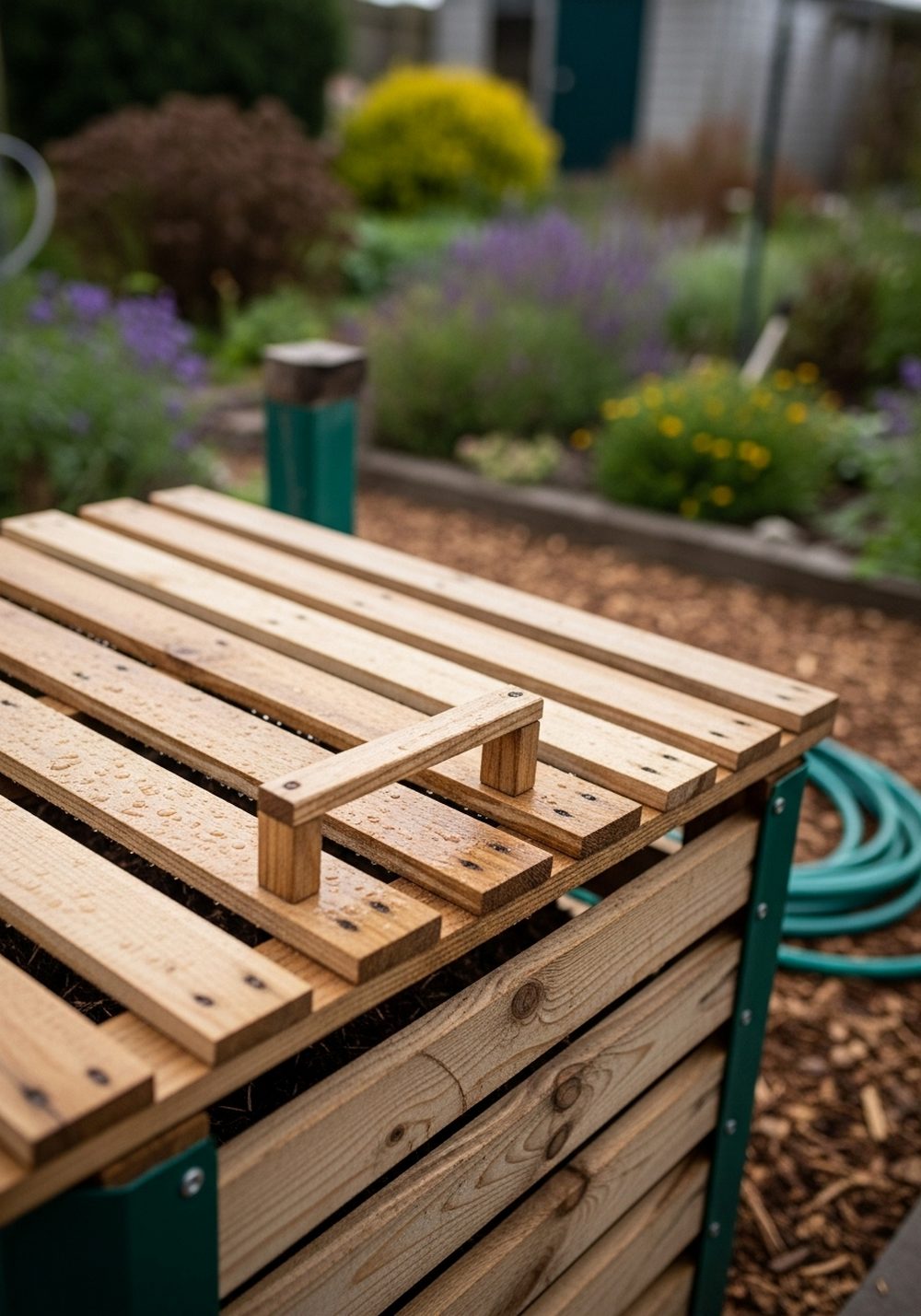
A slatted lid keeps your compost looking tidy, helps regulate moisture, and discourages animals, while still allowing air in. Build your basic pallet bin, then create a simple frame from boards and add spaced slats across it. Mount it on hinges at the back so you can lift it easily to add materials or turn the pile. From a decor point of view, the lid gives the whole structure a more finished, boxy appearance that can blend nicely with sheds, raised beds, and other garden features.
- Best For: Gardens where pets or wildlife might rummage in an open pile.
- Budget Tip: Reuse pallet boards and simple strap hinges; perfection isn’t needed, just solid function.
- Styling Idea: Align the slats to match the direction of nearby decking or fence boards for a more unified look.
- Practical Note: Keep gaps between slats for airflow and to prevent the compost from becoming soggy.
10. Decoratively Screened Pallet Compost Corner

If you prefer your compost completely out of sight, build your pallet bin, then add a decorative screen in front of it. This could be a timber lattice, bamboo panels, or a simple slatted fence section. Plant climbers or tall grasses around the screen to soften it further, while leaving enough space to walk behind and access the bin. The result is a discreet compost corner that still contributes to the overall beauty of your garden rather than detracting from it.
- Best For: Front gardens or shared spaces where looks really matter.
- Budget Tip: Use reclaimed privacy screens, old trellis, or leftover fencing instead of buying new.
- Styling Idea: Match the screen’s style to other structures in your garden, such as pergolas or balcony railings.
- Practical Note: Leave a clear access gap and stable footing so you can safely turn and remove compost.
Conclusion
A pallet compost bin doesn’t have to be an ugly necessity tucked away and forgotten. With a bit of planning and a few design touches, it can become a neat, character-filled corner that quietly transforms your garden waste into rich, free compost. Start with the simplest idea that fits your space and budget, then upgrade over time with doors, lids, or decorative screening. Little by little, your compost area can become one of your favourite, most hard-working spots in the garden.
FAQs
1. Are pallet compost bins safe for my garden?
Most people prefer to use untreated or heat-treated pallets for compost bins, especially if they’ll use the compost on vegetables. Avoid pallets that look heavily stained, oily, or carry chemical odours. When in doubt, choose pallets marked as heat-treated and give them a scrub before building.
2. How many pallets do I need for a basic compost bin?
For a simple single-bay bin, four pallets are usually enough: one for each side. If you’re building a corner bin that uses a fence as one wall, you might only need two. For multi-bay systems, plan on three or four pallets per bay, depending on how you design the front.
3. Can I build a pallet compost bin if I’m renting?
Yes. Most pallet bins are free-standing and can be dismantled if you move. Avoid anchoring them permanently to walls or fences, and instead secure them with wire, brackets, or stakes in the ground. When you leave, you can simply untie or unscrew everything and take the pallets with you or pass them on.
4. What’s the easiest pallet compost design for beginners?
The easiest is a single-bay bin made by wiring or screwing four pallets into a square. You don’t need fancy cuts or hinges to get started. Once you’ve used it for a season and see how composting works, you can add extras like a front door, lid, or extra bay if you want.
5. How do I keep a pallet compost bin looking tidy?
Keep the area around the bin mulched with wood chips or gravel, and trim nearby plants regularly. Make sure scraps are covered with a layer of leaves or straw so nothing looks messy or attracts pests. If the pallets look worn, a quick coat of outdoor paint or stain can immediately smarten up the whole corner.
6. Will a pallet compost bin smell bad or attract pests?
A well-managed compost bin shouldn’t smell unpleasant. Aim for a balance of “greens” and “browns,” keep meat and dairy out, and cover fresh scraps with dry material. For pests, make sure there are no large food chunks exposed and consider adding a lid or fine mesh across gaps if animals are a problem in your area.