12 Recycled Cinder Block Garden Bed Ideas

If you’ve got a stack of old cinder blocks lying around, you’re sitting on one of the easiest budget garden upgrades you can make. These sturdy blocks are perfect for raised beds, borders, and cute little planters, and they’re tough enough to handle years of sun, rain, and roots.
In this post, you’ll find twelve creative ways to turn recycled cinder blocks into beautiful, practical garden beds. Whether you’re working with a tiny patio, a rental yard, or a full backyard, these ideas will help you add structure, height, color, and personality without spending a fortune at the garden center.
Quick List
- Simple Recycled Cinder Block Herb Strip
- Tiered Corner Cinder Block Veggie Bed
- U-Shaped Cinder Block Kitchen Garden
- Painted Cinder Block Flower Border Bed
- Cinder Block Raised Bed For Heavy Feeders
- Cinder Block Bench And Planter Combo
- Vertical Cinder Block Succulent Tower Bed
- Cinder Block Bed With Built-In Tool Nooks
- Kids’ Pizza Garden In Cinder Blocks
- Modern Monochrome Cinder Block Grid Bed
- Pollinator Island Cinder Block Bed
- Mini Patio Cinder Block Micro Bed
Simple Recycled Cinder Block Herb Strip
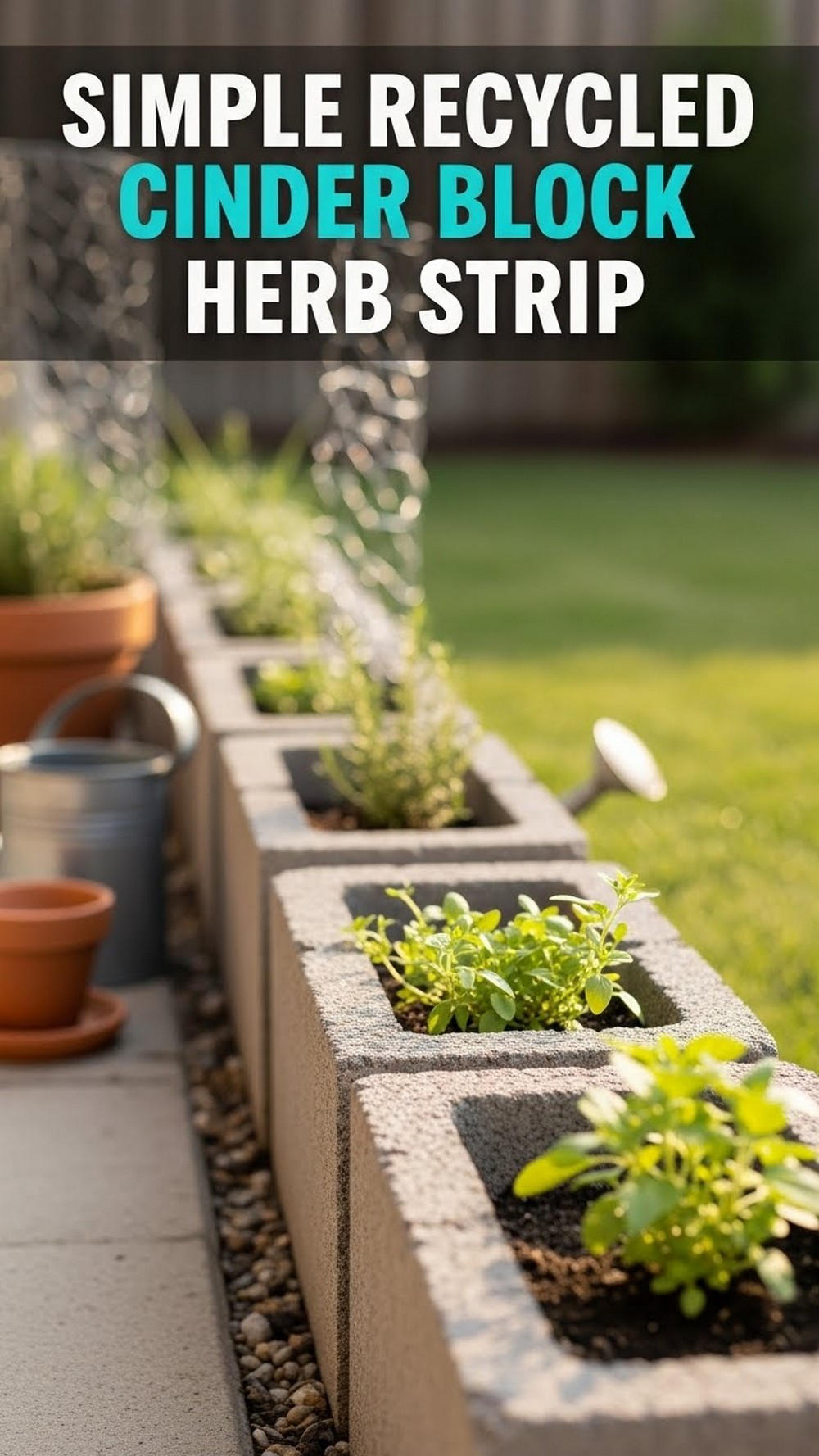
Turn a dull path or fence line into a fragrant, useful herb strip with a single row of recycled cinder blocks. Lay the blocks in a straight line, open holes facing up, and fill them with good potting mix. Tuck in hardy herbs like thyme, chives, oregano, and parsley. The concrete edges create a clean outline, while the green foliage softens everything and perfumes the air each time you brush past.
- Best For: Narrow side yards, along driveways, or beside a patio.
- Budget Tip: Use reclaimed blocks and divide existing herbs from friends or neighbors.
- Styling Idea: Keep it simple with all grey blocks and silvery-green herbs for a calm, modern look.
- Practical Note: Place thirstier herbs nearer a hose or water source so you don’t forget them.
- Care & Maintenance: Refresh with compost each spring and trim regularly to keep plants compact.
Tiered Corner Cinder Block Veggie Bed

A garden corner is the perfect spot for a stepped, tiered bed made from stacked cinder blocks. Start with a wide base, then build up in layers toward your fence or wall, staggering the blocks so they lock together. Fill each pocket with soil and plant lettuces, kale, or small peppers on top, and trailing herbs or flowers in the side holes. The different heights make the corner look lush and full with very little space.
- Best For: Awkward garden corners that feel empty or underused.
- Budget Tip: Build the base first, then add more tiers and plants as your budget allows.
- Styling Idea: Mix a few warm-toned terracotta pots into the tiers for a rustic layered look.
- Practical Note: Make sure the base is level and solid; use gravel or pavers if your soil is soft.
- Care & Maintenance: Water slowly from the top so moisture trickles down through the levels.
U-Shaped Cinder Block Kitchen Garden

Create a mini “kitchen garden” that wraps around you by arranging cinder blocks in a U shape. Leave an open side so you can step into the middle and reach everything easily. Fill the central bed with lettuce, beans, or bush tomatoes, and plant herbs or flowers in the outer block holes. The raised edges give your garden a neat frame and make harvesting more comfortable on your back and knees.
- Best For: Gardeners who like to cook and want ingredients close to the door.
- Budget Tip: Start with a shallow U and expand the arms later if you find more blocks.
- Styling Idea: Add a simple gravel path inside the U and a pair of small stepping stones at the entrance.
- Practical Note: Keep taller crops at the back of the U so they don’t shade smaller plants.
- Care & Maintenance: Rotate crops each season to keep the soil healthy and productive.
Painted Cinder Block Flower Border Bed

A line of painted cinder blocks makes a cheerful, graphic border that doubles as a flower bed. Clean and prime the recycled blocks, then paint them in soft pastels or bold brights. Lay them in a neat row along your lawn or path, holes up, and fill each opening with soil and compact flowering plants. The pops of color frame the green in your garden and make even a basic lawn look intentional.
- Best For: Front gardens that need curb appeal without major landscaping.
- Budget Tip: Use leftover exterior paint and inexpensive annuals for instant color.
- Styling Idea: Choose two or three repeating colors instead of many shades for a more polished look.
- Practical Note: Use outdoor, weather-resistant paint and let blocks dry fully before planting.
- Care & Maintenance: Touch up paint every couple of years and swap out flowers seasonally.
Cinder Block Raised Bed For Heavy Feeders

Cinder blocks are ideal for building a deep, sturdy raised bed that can handle big, hungry plants like tomatoes, cabbages, and squash. Stack blocks two or three courses high in a rectangle, filling the center with rich soil and compost. Plant your heavy feeders inside and tuck helpful companions like marigolds or basil in the block holes around the edges. The extra height makes it easy to tend large plants and keeps soil from washing away.
- Best For: Gardeners who want high-yield veggie beds with minimal bending.
- Budget Tip: Fill the bottom third with branches, leaves, or old soil before topping with quality mix.
- Styling Idea: Keep the look simple and utilitarian, then soften the edges with flowers in the block cavities.
- Practical Note: Check that the ground is level so the stacked blocks don’t shift over time.
- Care & Maintenance: Replenish fertility each season with compost and mulch the surface deeply.
Cinder Block Bench And Planter Combo

Combine seating and planting by using cinder blocks to support a simple wooden bench with greenery built in. Stack the blocks at each end and slide sturdy timber boards through, then plant low-growing herbs or trailing flowers in the spare holes. The result is a compact sitting spot with living armrests, perfect for a cup of tea or a quick break while you garden. The rough concrete and smooth wood make a lovely textural pairing.
- Best For: Small patios or balconies that need both seating and greenery.
- Budget Tip: Use reclaimed boards and secondhand blocks, sanding the wood lightly for comfort.
- Styling Idea: Add neutral outdoor cushions and a striped throw to keep the look cozy but simple.
- Practical Note: Make sure the blocks sit on a flat, stable surface so the bench doesn’t wobble.
- Care & Maintenance: Seal the wood if it will stay outside year-round and choose hardy plants for the holes.
Vertical Cinder Block Succulent Tower Bed

For a sculptural feature that doesn’t demand much watering, stack cinder blocks in a staggered tower and fill the cavities with succulents. You can twist the blocks slightly as you build to create interesting angles, making sure each level rests securely. Plant colorful sedums, echeveria rosettes, and trailing varieties so they spill softly over the edges. The grey concrete becomes a quiet backdrop to the diverse textures and shapes of the plants.
- Best For: Sunny spots with poor soil where pots dry out quickly.
- Budget Tip: Propagate succulents from cuttings rather than buying mature plants.
- Styling Idea: Surround the base with pale gravel to highlight the tower’s clean lines.
- Practical Note: Build no higher than you feel comfortable stabilizing, especially in windy areas.
- Care & Maintenance: Water sparingly and brush off any moss or algae from the blocks if it develops.
Cinder Block Bed With Built-In Tool Nooks

Make your garden more organized by using some of the cinder block holes along the edge of a bed as little tool nooks. Build a low border and dedicate a few cavities to holding your trowel, hand fork, plant labels, and twine. The remaining holes can be planted with herbs or flowers. This simple tweak keeps the tools you use most within arm’s reach and gives the bed a charming, “working garden” feel.
- Best For: Busy gardeners who hate hunting for tools in the shed.
- Budget Tip: Skip extra storage units and reuse blocks you already have as built-in holders.
- Styling Idea: Use wooden-handled tools and simple terracotta pots for a timeless cottage look.
- Practical Note: Choose cavities away from where you water heavily, so tools don’t sit in puddles.
- Care & Maintenance: Empty the nooks before winter or heavy rain and wipe tools dry to prevent rust.
Kids’ Pizza Garden In Cinder Blocks
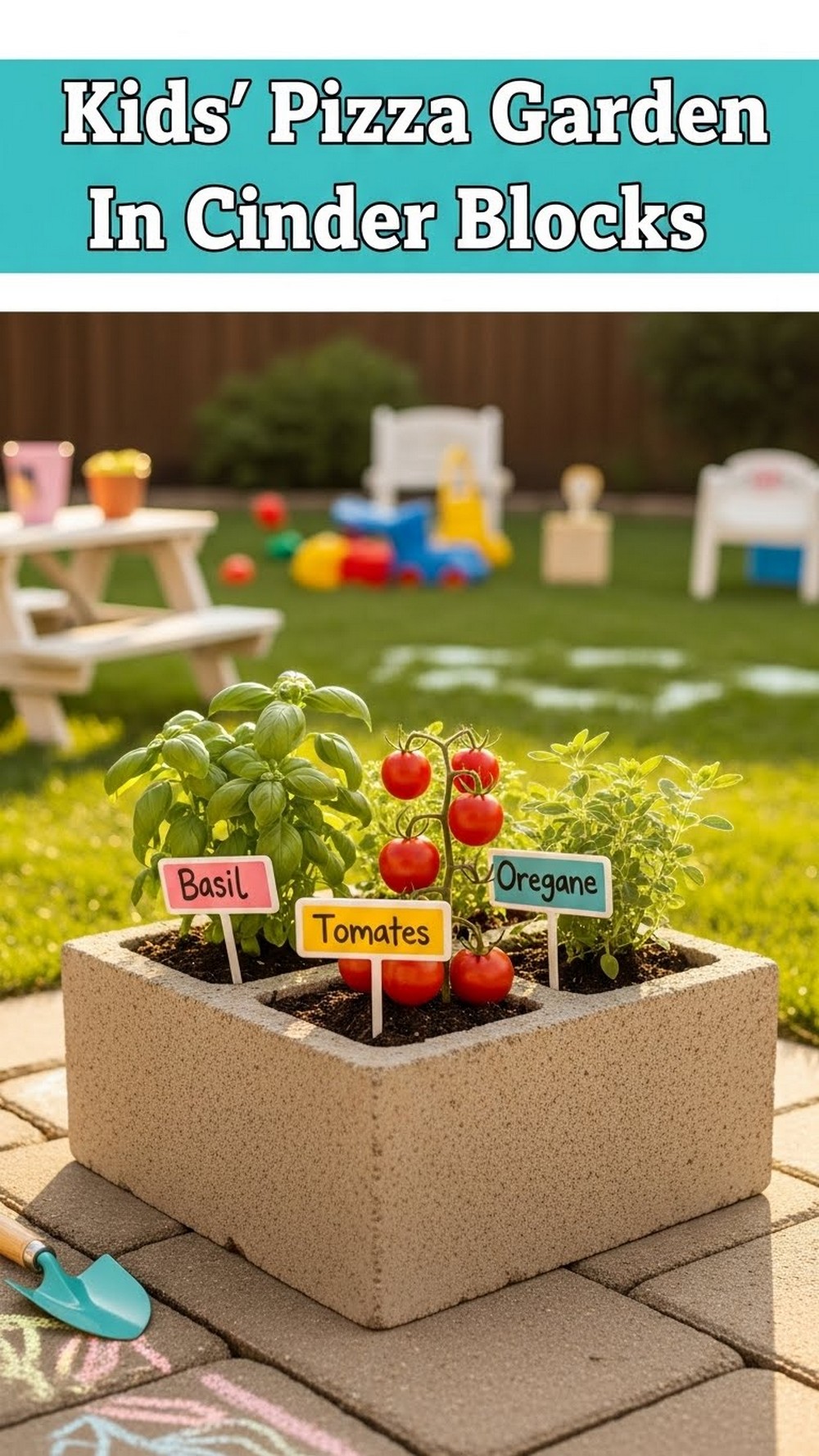
Turn gardening into a tasty project by creating a pizza-themed bed for kids using recycled cinder blocks. Arrange the blocks in a circle or semi-circle and plant each section with classic pizza ingredients: tomatoes, basil, oregano, peppers, and maybe some small onions. Add fun, hand-painted labels so little ones know what’s growing where. The low blocks make it easy for children to reach, water, and harvest, and the theme gives them a delicious reason to care.
- Best For: Families who want a fun, hands-on garden project with children.
- Budget Tip: Let kids paint recycled blocks and make plant labels from scrap wood or stones.
- Styling Idea: Use bright, primary colors for labels and signs to keep it playful.
- Practical Note: Plant taller tomatoes at the back and give them supports to avoid shading smaller herbs.
- Care & Maintenance: Involve kids in regular watering and picking to keep them engaged and the bed productive.
Modern Monochrome Cinder Block Grid Bed

If you prefer clean lines and a more contemporary look, arrange cinder blocks in a neat, even grid and stick to a limited palette of plants. Think low grasses, small shrubs, and foliage plants in greens, silvers, and deep purples. You can set the blocks directly on gravel or a paved courtyard. The repeating shapes and colors make the bed feel calm and intentional, almost like living tiles laid across your outdoor room.
- Best For: Modern courtyards, rental patios, and low-maintenance front yards.
- Budget Tip: Start with fewer blocks and plants, leaving some spaces empty to fill over time.
- Styling Idea: Keep everything in shades of grey, black, and green for a sleek, gallery-like feel.
- Practical Note: Measure and mark your layout before placing blocks so the grid lines up perfectly.
- Care & Maintenance: Choose drought-tolerant plants and top the soil with gravel to reduce watering.
Pollinator Island Cinder Block Bed
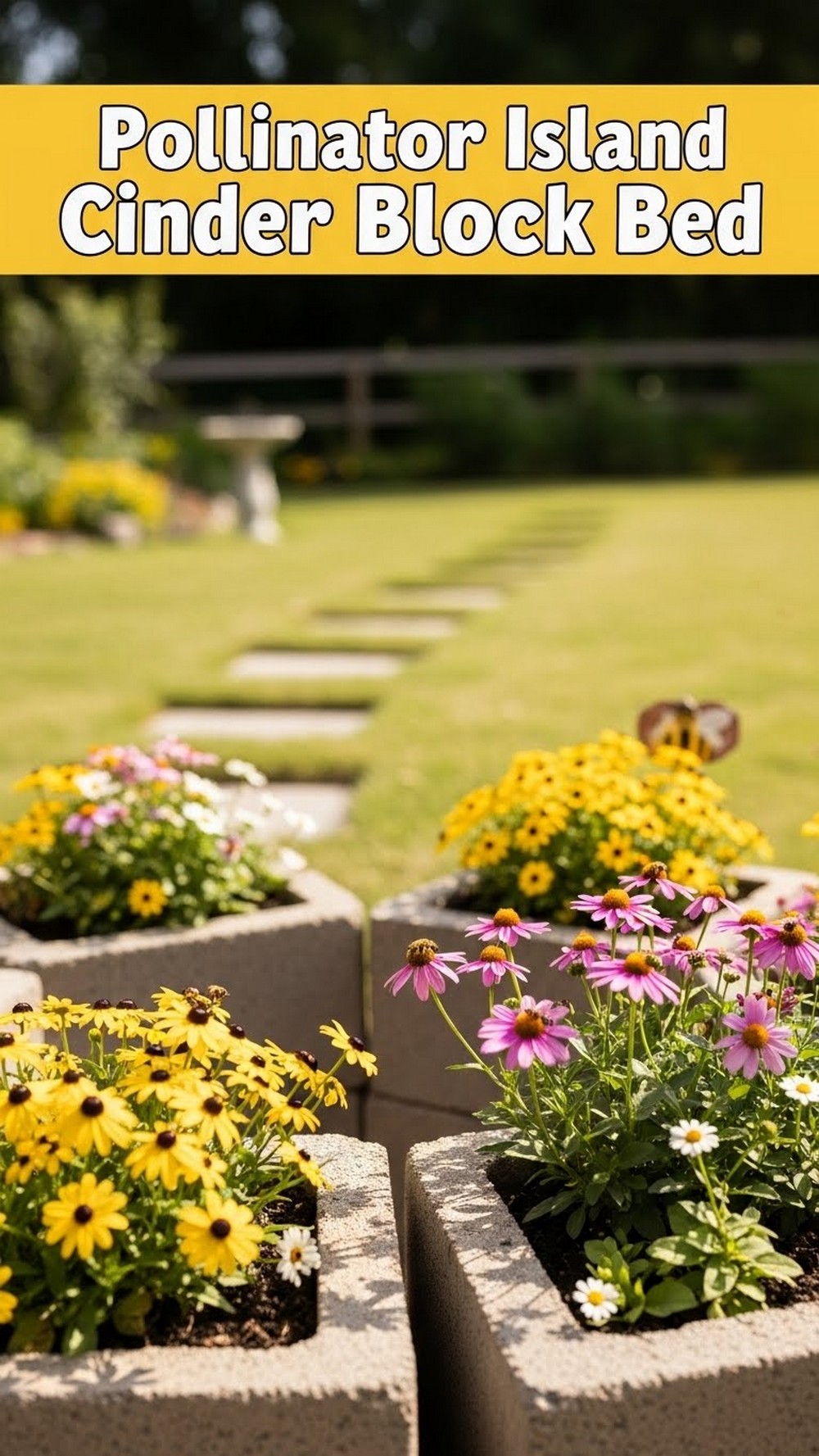
Create a buzzing little oasis in the center of your lawn or gravel area by arranging cinder blocks in a ring or irregular cluster and filling them with pollinator-friendly flowers. Plant a mix of nectar-rich blooms like lavender, salvia, and calendula, plus some herbs that bees love. As the plants grow, they’ll spill over the concrete edges and soften the structure, while butterflies and bees turn the island into a lively focal point.
- Best For: Lawns that feel flat and boring but you don’t want to fully re-landscape.
- Budget Tip: Grow many of the flowers from seed or small plug plants to keep costs down.
- Styling Idea: Add a simple, rustic sign or small bee hotel nearby to complete the look.
- Practical Note: Position the bed where you can enjoy the activity without blocking footpaths or mower routes.
- Care & Maintenance: Deadhead spent flowers to keep blooms coming and top up compost yearly.
Mini Patio Cinder Block Micro Bed

Even the smallest balcony or patio can fit a micro bed using just four to six cinder blocks. Arrange them in an L or rectangle, fill with quality potting mix, and plant compact herbs, salad greens, or low flowers. The blocks instantly define a “garden corner” and give you that feeling of a proper bed, even if it’s only a metre wide. Add a small chair or stool nearby and you’ve created a miniature sanctuary.
- Best For: Apartment patios, balcony corners, and renters with very limited space.
- Budget Tip: Start with a couple of blocks and a single multipurpose herb mix, then add more later.
- Styling Idea: Pair plain grey blocks with soft textiles like a small outdoor rug to warm the space.
- Practical Note: Use lightweight potting mix and check weight limits if you’re on an upper floor.
- Care & Maintenance: Water regularly, as small beds dry out faster, and refresh soil every year or two.
Conclusion
Recycled cinder blocks can do far more than sit in a dusty pile behind the shed. With a little planning and imagination, they become raised beds, borders, seating, and playful features that give your garden structure and style on a tiny budget. Pick one idea that suits your space—maybe a simple herb strip or a mini patio bed—and build from there. As your plants grow, your collection of cinder block creations can grow with them.
FAQs
1. Are cinder block garden beds safe for growing vegetables?
Most gardeners use concrete blocks safely for edible crops, especially when they’re older and fully cured. If you’re concerned, line the inside with a barrier like heavy landscape fabric and focus on planting shallow-rooted herbs or flowers in the block holes. Always use fresh, good-quality soil inside the bed itself.
2. How can I build cinder block beds on a very small budget?
Look for free or cheap blocks on local marketplaces, salvage yards, or building sites (with permission). Start with a single row or tiny micro bed, then add more blocks and soil as you can. Fill the bottom of deeper beds with branches, leaves, or old soil before adding your premium mix on top.
3. Are these ideas suitable for renters who can’t change the yard permanently?
Yes. Many of the designs, like the micro bed, herb strip, or grid layout, sit directly on top of existing surfaces without digging. You can dismantle them and take both blocks and plants with you when you move. Just avoid using permanent adhesives if you need everything to stay portable.
4. How do I stop cinder block beds from shifting or tipping?
Always start with a level base—use a spirit level or at least eye it carefully. On soil, tamp the ground firm and add a thin layer of gravel or sand. On patios, choose flat, even sections and don’t stack too high. For taller builds, stagger the blocks and avoid making towers higher than you feel safe with.
5. What plants work best in the small holes of cinder blocks?
The holes suit compact, shallow-rooted plants like thyme, chives, strawberries, sedums, small flowers, and baby lettuces. Avoid very thirsty or deep-rooted plants in the cavities. For the central bed areas, treat them like any other raised bed and choose veggies, herbs, or flowers suited to your climate and light.
6. How can I make cinder block beds look less industrial?
Soften the look with paint, climbing plants, or trailing flowers that spill over the edges. Add natural materials like wood, gravel, and terracotta around them, and repeat colors from your house or furniture. Over time, plants, moss, and patina will help the blocks blend beautifully into the rest of your garden.