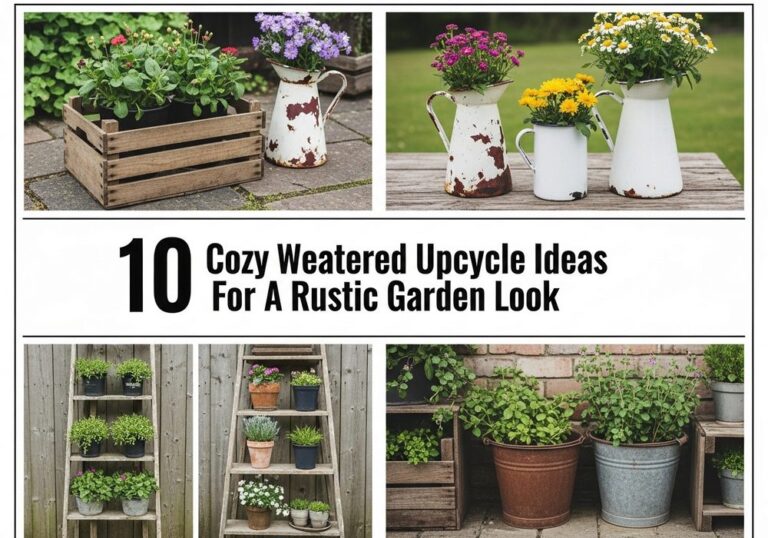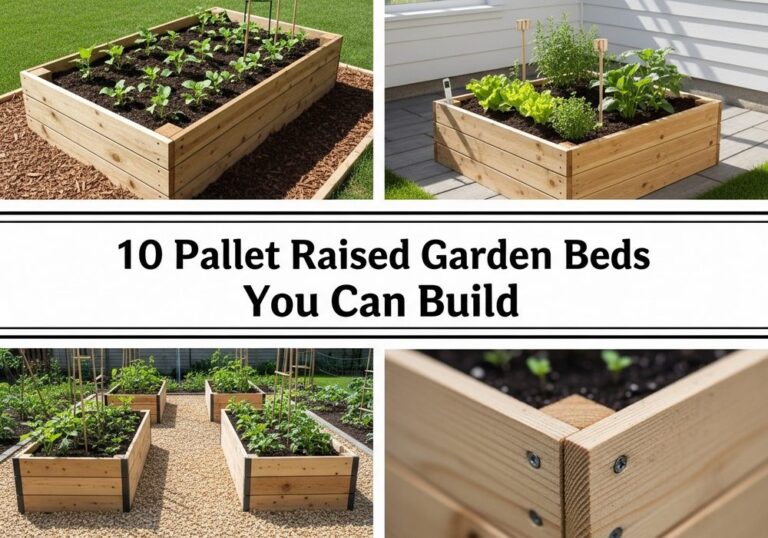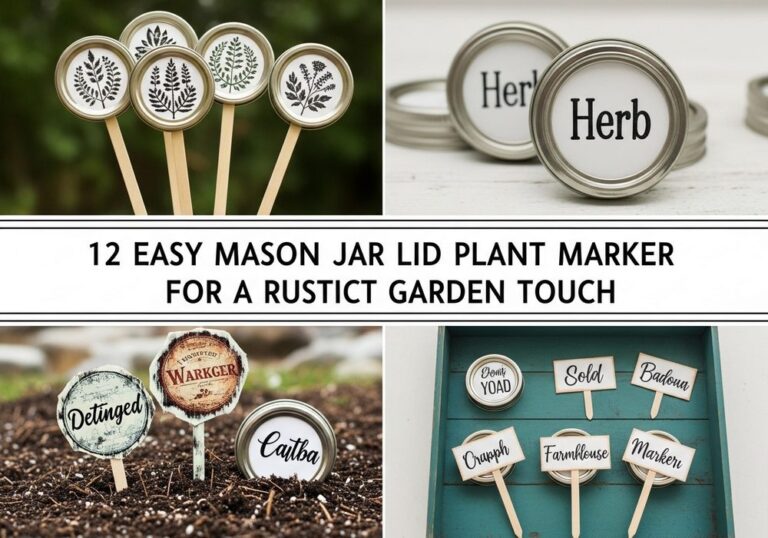
10 Recycled Shoe Planter Ideas For A Funny, Cute Garden Style
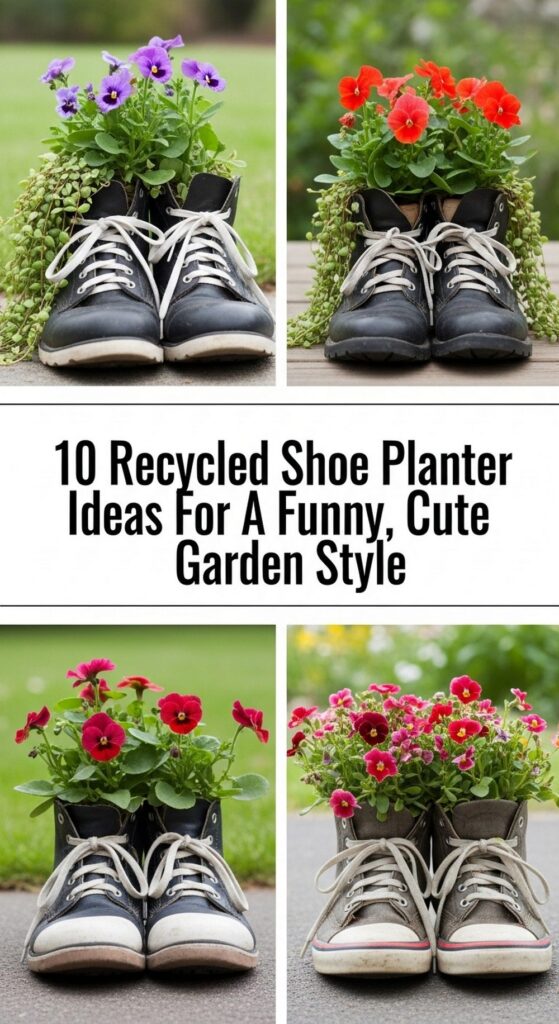
If you’ve got a pile of old shoes you’re about to throw away, your garden is about to get a lot more fun. Recycled shoe planters are a brilliant way to add personality, color, and a little bit of silliness to any outdoor space, from a small balcony to a big backyard.
In this post, you’ll find ten easy, creative ways to turn sneakers, boots, heels, and flip-flops into funny, cute planters. These ideas are simple to set up, friendly on the budget, and perfect for gardeners who love playful decor. Get ready to smile every time you step outside and see your shoes growing flowers.
Quick List
Design A Whimsical Shoe Fairy Path Border
Fill Formal Dress Shoes With Soft Moss
Turn Old Sneakers Into A Rainbow Herb Row
Plant Bright Blooms In Vintage High-Heel Shoes
Grow Strawberries In Kids’ Outgrown Rain Boots
Make A Tough Succulent Gang In Work Boots
Hang Converse-Style Trainers As Dangling Planters
Create A Cheery Flip-Flop Vertical Shoe Garden
Line The Fence With Mismatched Garden Clogs
Build A “Lost Shoe” Mini Garden Collection
Turn Old Sneakers Into A Rainbow Herb Row
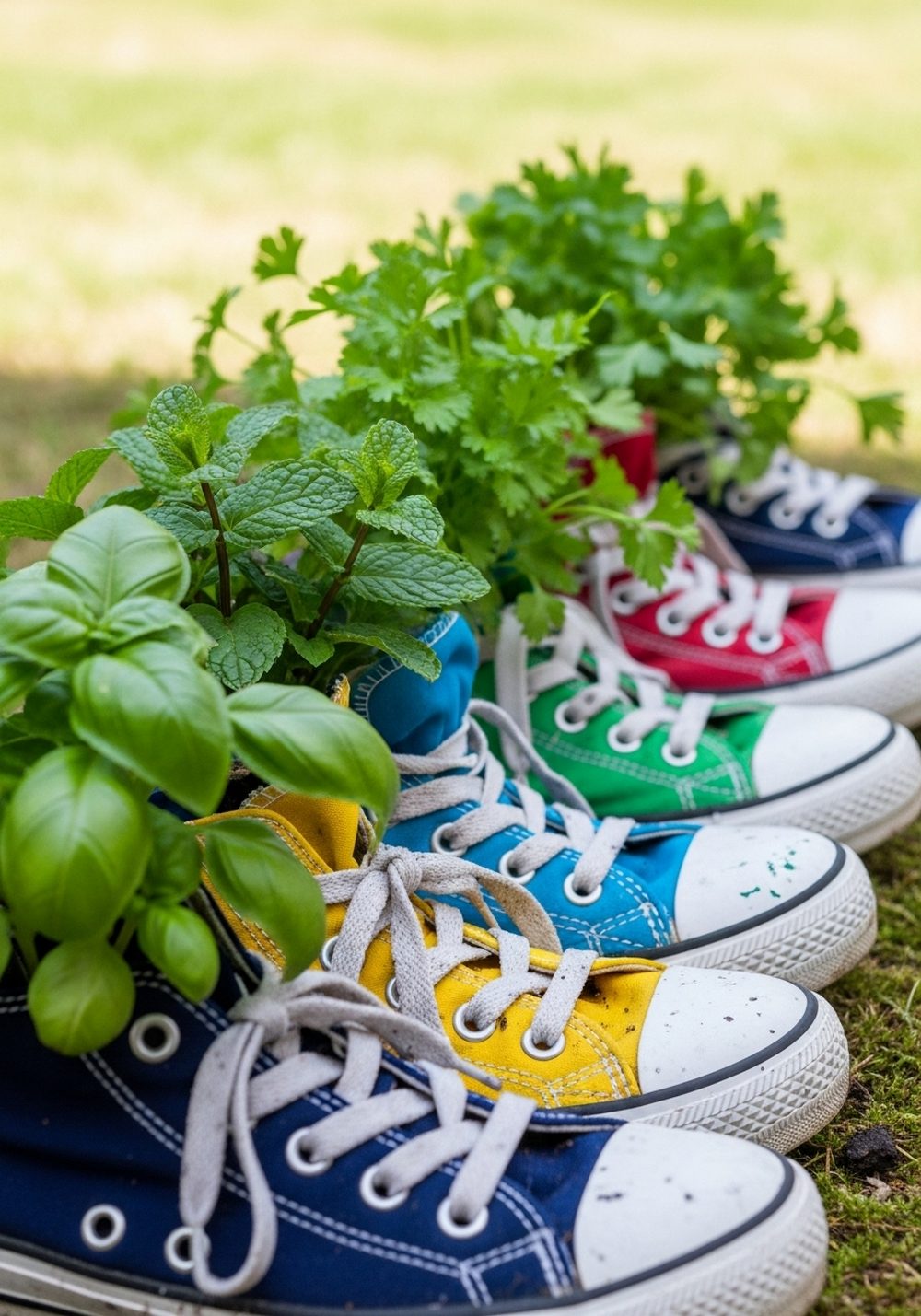
Old sneakers make wonderfully quirky herb planters, especially when you line them up in a colorful row along a step, low wall, or balcony rail. Drill a few drainage holes in the soles, add a layer of gravel, then fill with potting mix and herbs like basil, thyme, and mint. A quick coat of outdoor paint in different colors turns the shoes into a cheerful rainbow that pops against green foliage and neutral paths. It’s an instant conversation starter and perfect for tight spaces.
- Budget Tip: Use kids’ and adults’ sneakers you already own, or grab a few pairs from a thrift store.
- Styling Idea: Paint each shoe a different bright shade—think rainbow or pastel candy colors—for a playful, cartoonish look.
- Best For: Small patios, balcony ledges, or the edge of garden steps.
- Practical Note: Place a tray or bricks underneath to catch excess water and protect surfaces.
- Care & Maintenance: Trim herbs regularly so they don’t outgrow the small shoe space and refresh soil each season.
Plant Bright Blooms In Vintage High-Heel Shoes
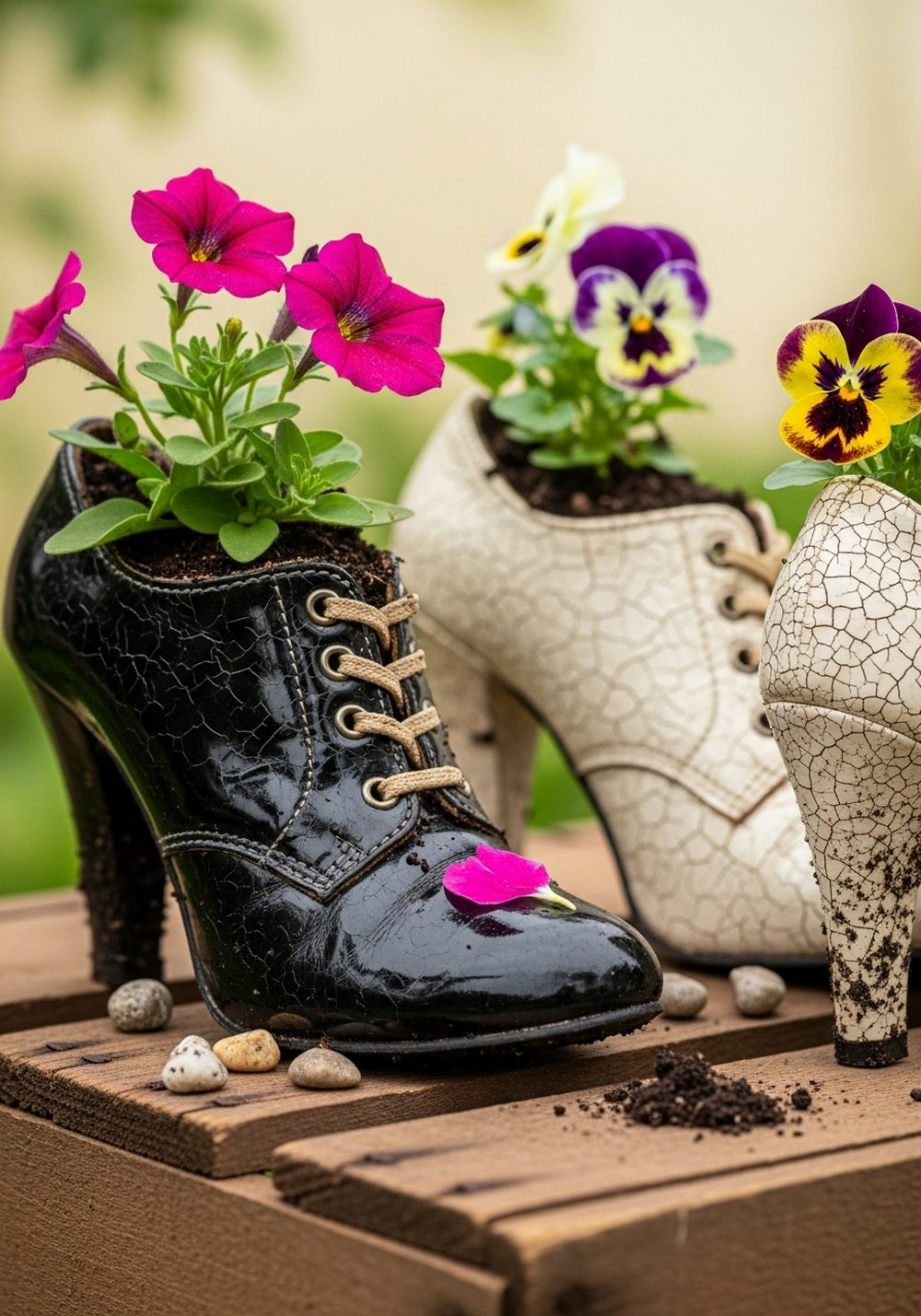
Vintage high-heel shoes look fabulously over-the-top when they’re overflowing with flowers. Choose heels with interesting shapes—curved heels, peep toes, or sparkly details—and seal the inside with a plastic liner if they’re delicate. Add drainage, then plant compact annuals like pansies, violas, or mini petunias. Set them on an old crate, step, or decorative shelf so the heels and blooms sit at eye level. The contrast of elegant shoes and lush flowers instantly adds humor and charm.
- Budget Tip: Hunt for old heels at charity shops or flea markets; scuffed or single shoes are usually very cheap.
- Styling Idea: Go for a glam theme with rich purple and white flowers, or a retro theme with red and yellow blooms.
- Best For: Porch corners, patio tabletops, or near your front door.
- Practical Note: Keep them under a small overhang if the shoes are delicate fabric or faux leather.
Grow Strawberries In Kids’ Outgrown Rain Boots
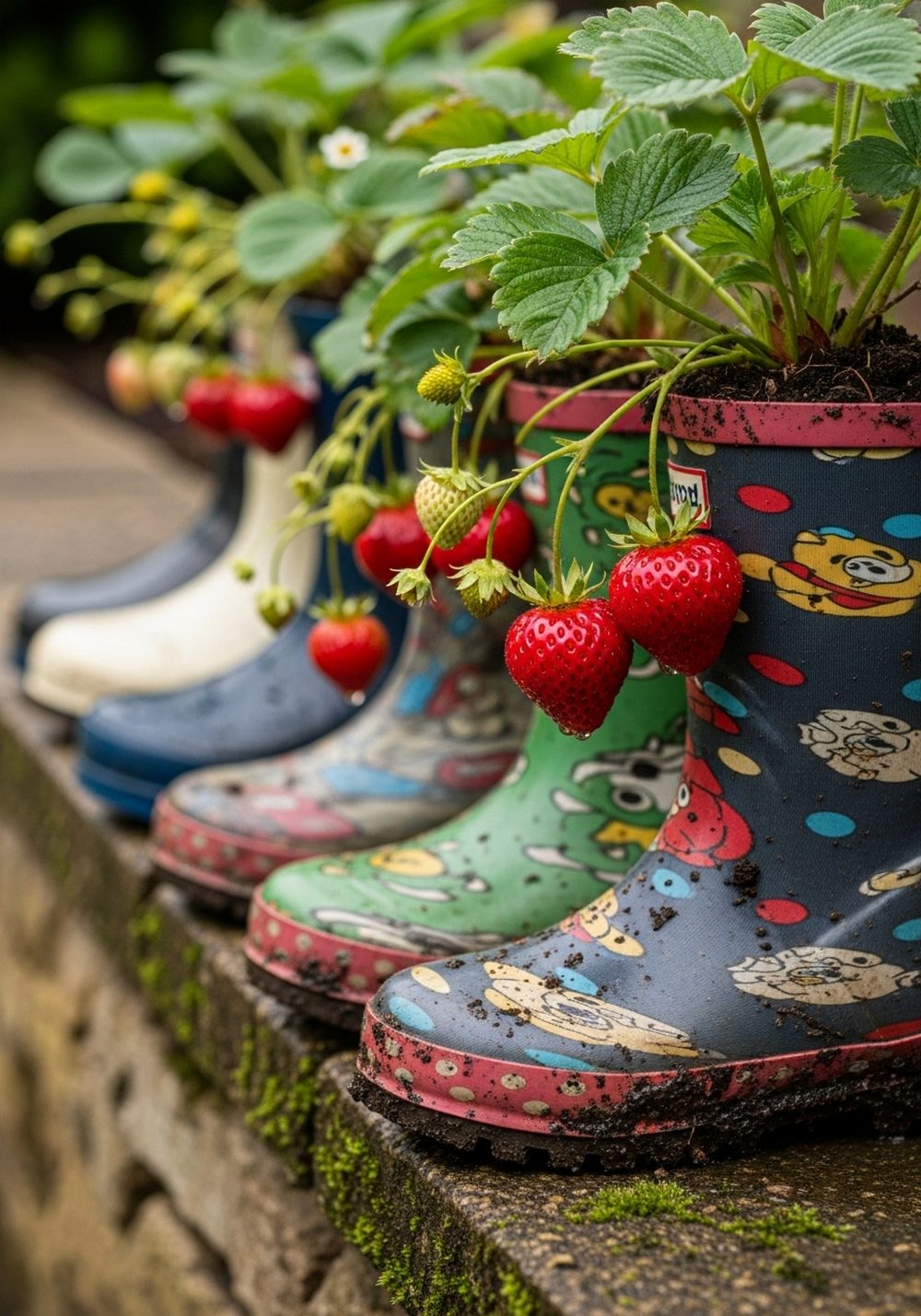
Kids’ rain boots are perfect little strawberry pots, and the fruit spilling over the boot tops looks adorable. Poke drainage holes in the soles, add a handful of gravel and soil, then tuck in one strawberry plant per boot. Line them along a low wall or step so the baby runners and fruit can dangle down, making it easy for little hands to pick. The bright patterns on the boots make the whole display look cheerful and a bit cheeky.
- Budget Tip: Reuse your own children’s boots or ask friends and family for pairs the kids have outgrown.
- Best For: Family gardens where children can help water and pick the berries.
- Styling Idea: Group boots by color or pattern—like a row of yellow ducks or blue stars—for a tidy but playful display.
- Practical Note: Place the boots in a sunny spot and fertilize lightly, as the soil volume is small.
- Care & Maintenance: Replace the soil yearly and check drainage holes regularly so roots don’t sit in water.
Make A Tough Succulent Gang In Work Boots
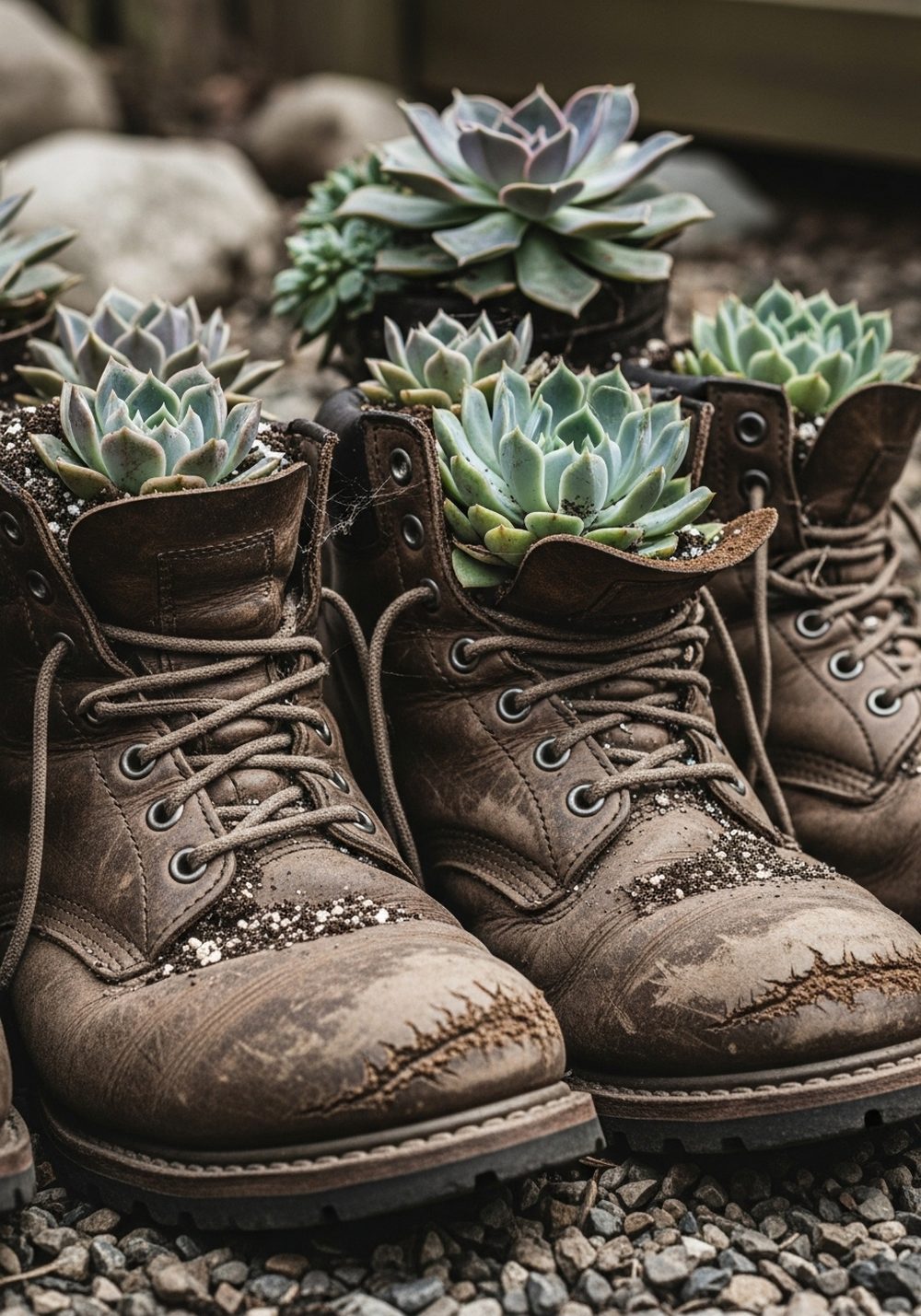
Old work boots have rugged charm and plenty of space for tough succulents. Fill each boot with a very free-draining mix (potting soil mixed with sand or grit) and plant rosette succulents, trailing varieties, and small cacti if your climate allows. Group several boots together on gravel or a low pallet to create a “succulent gang” that looks like it just stomped into your garden. The contrast of dusty leather and smooth, plump leaves is both cool and surprisingly cute.
- Budget Tip: Use retired work boots or ask a DIY-loving friend for a worn-out pair.
- Styling Idea: Keep the leather weathered and natural for a rustic look, or lightly oil the boots for a deeper, richer tone.
- Best For: Sunny, dry corners where you want low-maintenance decor.
- Practical Note: Drill generous drainage holes; succulents hate sitting in soggy soil.
- Care & Maintenance: Water lightly and rarely, and remove any dead leaves to keep the display tidy.
Hang Converse-Style Trainers As Dangling Planters
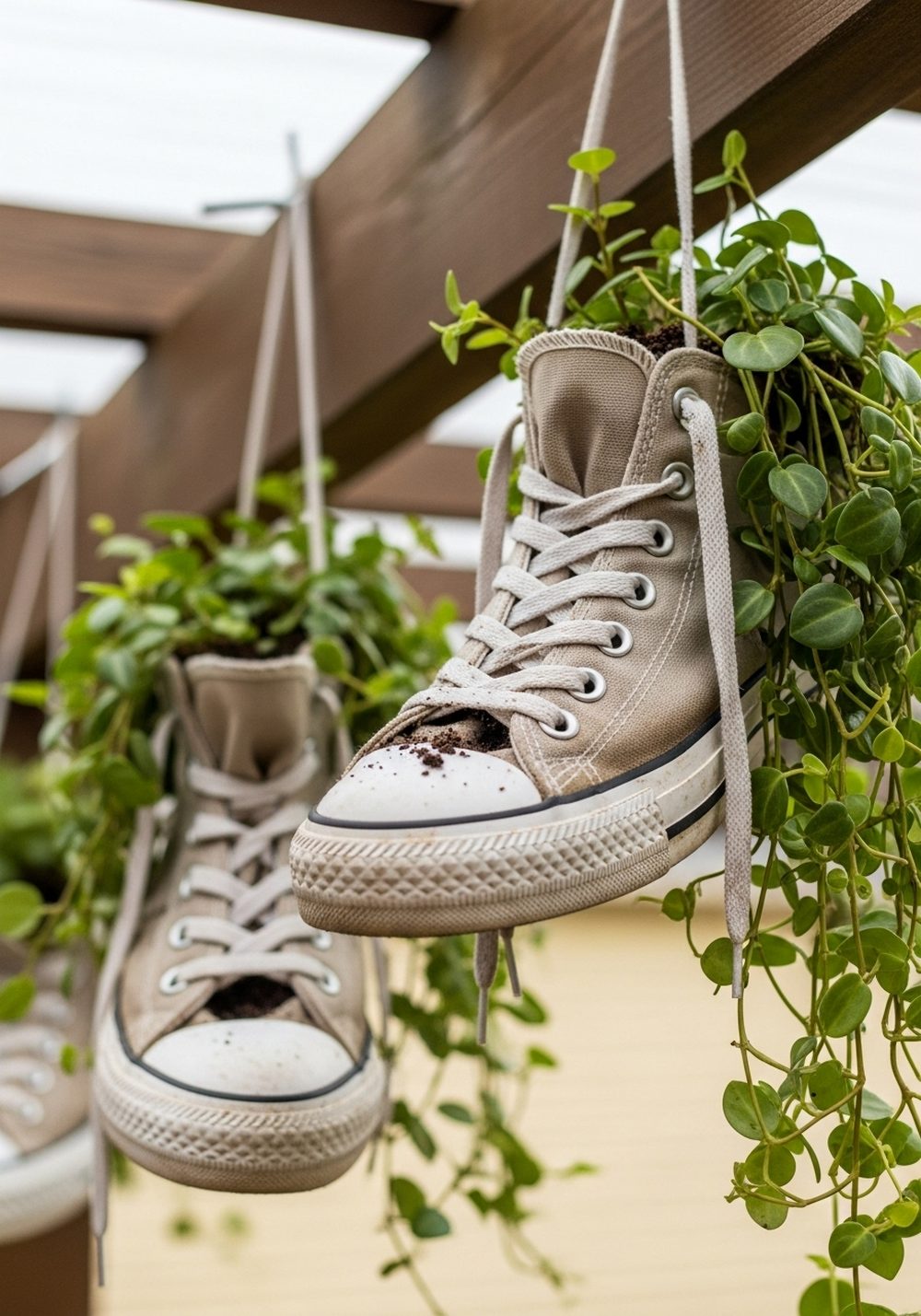
Canvas trainers are light enough to hang, making them ideal for fun, dangling shoe planters. Tie the laces together and loop them over a beam, hook, or sturdy branch. Fill the shoes with soil and trailing plants like ivy, lobelia, or nasturtiums that cascade over the sides. When they sway slightly in the breeze, they add movement and a carefree feel to your space, like a playful art installation mixed with greenery.
- Budget Tip: Any old canvas shoe with holes or worn soles works; just add an inner plastic liner if they’re very thin.
- Styling Idea: Stick to one color theme—white shoes with blue flowers, or black shoes with neon blooms—for a graphic, modern vibe.
- Best For: Pergolas, balcony rails, or along a shaded patio beam.
- Practical Note: Don’t overload with heavy soil; use lightweight potting mix to keep the shoes from stretching too much.
- Care & Maintenance: Check laces and attachments regularly so nothing falls in strong wind.
Create A Cheery Flip-Flop Vertical Shoe Garden
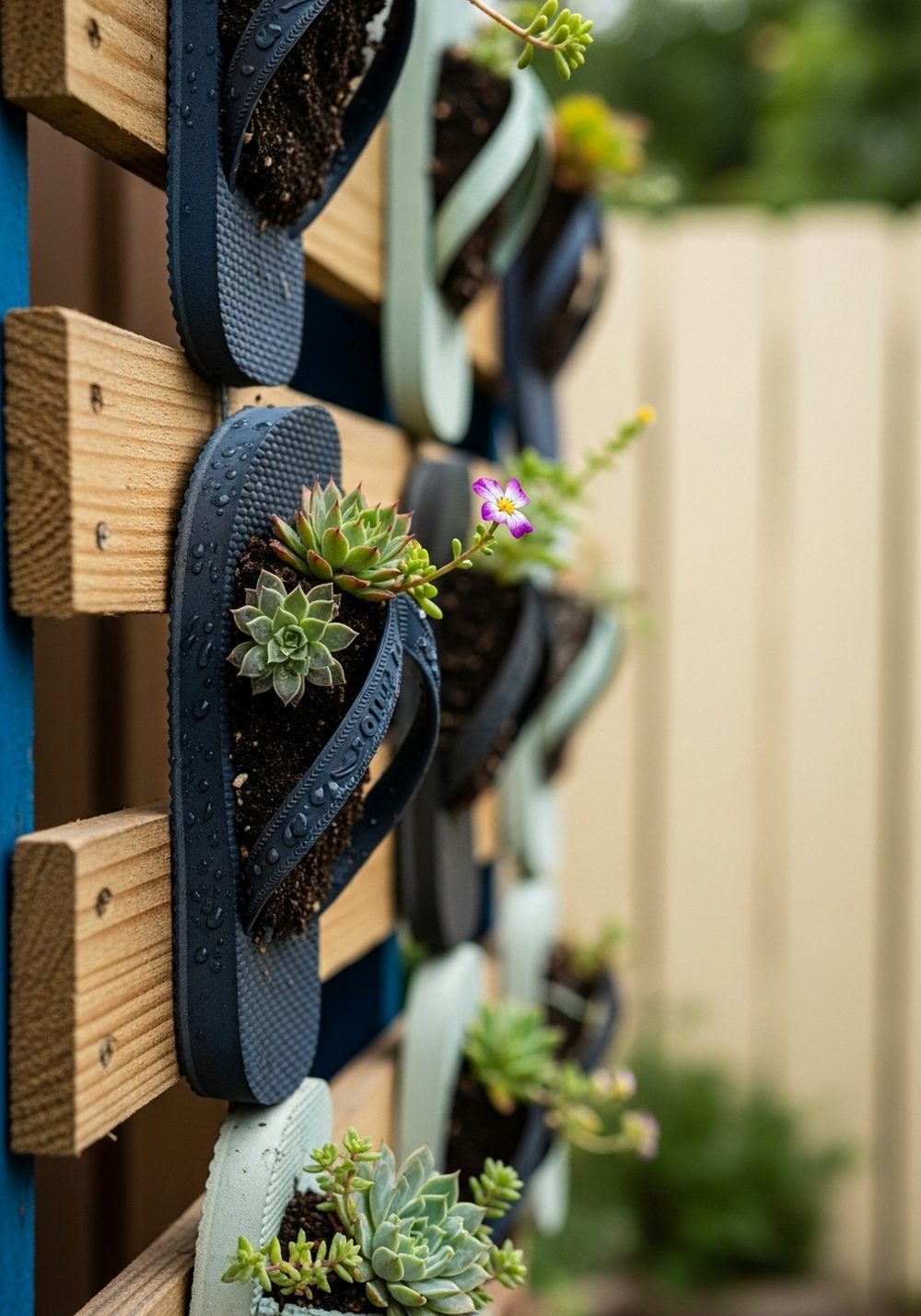
Flip-flops may not look like planters at first, but their straps can hold small pockets of soil and tiny plants. Attach pairs of old flip-flops to a wooden pallet or fence panel, with the soles flat against the wood and straps facing out. Tuck small succulents, sedums, or mosses around the straps and between the sole and backing. The colorful flip-flops create a bright, beachy feel that instantly lightens up a plain wall.
- Budget Tip: Flip-flops are often very cheap to buy second-hand, and you can mix many odd pairs.
- Styling Idea: Go for a seaside theme with turquoise, yellow, and coral-colored flip-flops against a white or pale blue background.
- Best For: Balconies, courtyard walls, or any narrow vertical spot needing color.
- Practical Note: Use screws or strong nails to secure the flip-flops so they don’t wobble when watered.
- Care & Maintenance: Choose drought-tolerant plants and mist lightly rather than soaking.
Line The Fence With Mismatched Garden Clogs
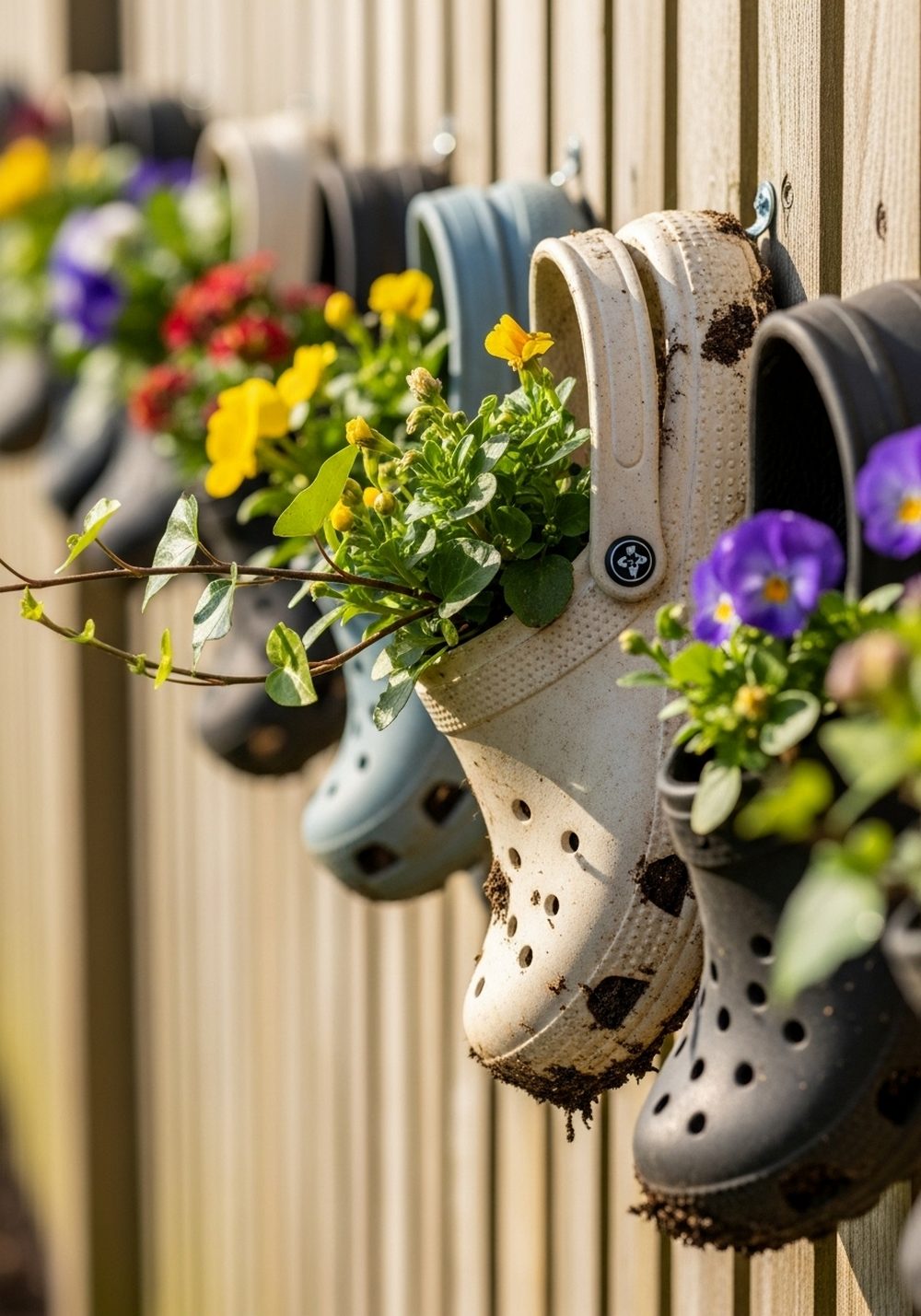
Garden clogs and old slip-on shoes are ideal for mounting along a fence. Screw or nail each shoe through the heel or sole into the fence, then fill them with soil and trailing plants, small ferns, or flowering annuals. Mix colors, sizes, and materials so the row looks like a parade of characters watching over your garden. The result is quirky, colorful, and a great way to make a dull fence feel alive and friendly.
- Budget Tip: Collect clogs one by one from thrift stores or neighbors; mismatched pairs look even more charming.
- Styling Idea: Keep to a loose color scheme—such as all greens and blues—to avoid visual clutter.
- Best For: Long fences or shed walls that need decor but not floor space.
- Practical Note: Drill drainage holes and angle the shoes slightly downward so water can escape.
- Care & Maintenance: Swap out plants seasonally to keep the row fresh and full.
Build A “Lost Shoe” Mini Garden Collection
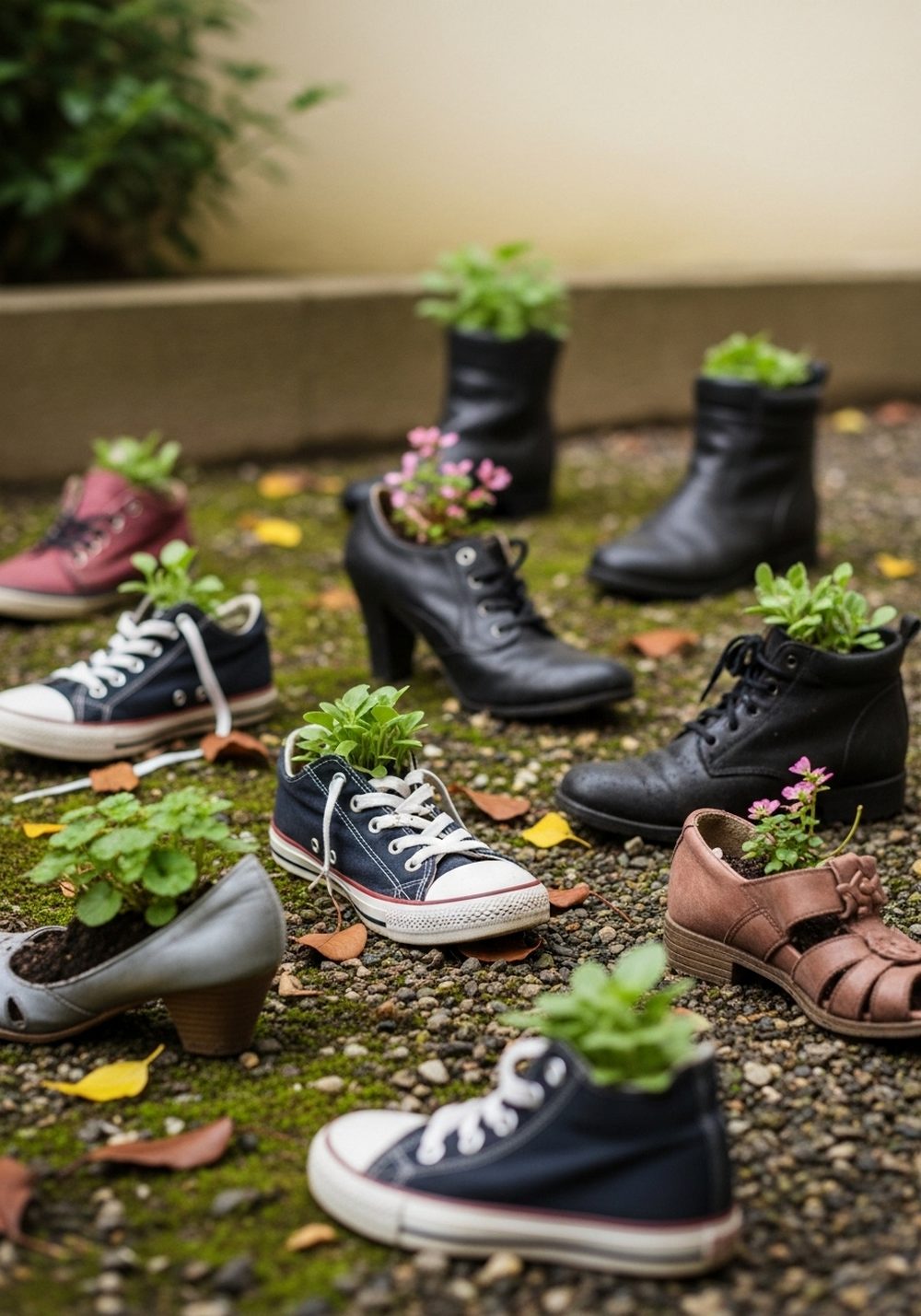
We all have single shoes with no partner. Instead of throwing them out, gather them into a little “lost shoe” garden. Arrange them on gravel, a low shelf, or an old wooden pallet and plant each with something different: tiny ferns, mini daisies, herbs, or succulents. Because the shoes don’t match, the effect is playful and slightly storybook, like each shoe belongs to a different character. A small sign saying “Lost & Planted” adds an extra smile.
- Budget Tip: Ask friends and family for single shoes they’d otherwise bin; you’ll build a collection quickly.
- Styling Idea: Mix all styles—heels, sneakers, boots, sandals—for a deliberately mismatched, whimsical look.
- Best For: Corners of the garden where you want visitors to stop and look closer.
- Practical Note: Put heavier shoes at the back and small ones at the front to create height and depth.
- Care & Maintenance: Refresh soil and reposition plants that outgrow their tiny shoe pots.
Fill Formal Dress Shoes With Soft Moss
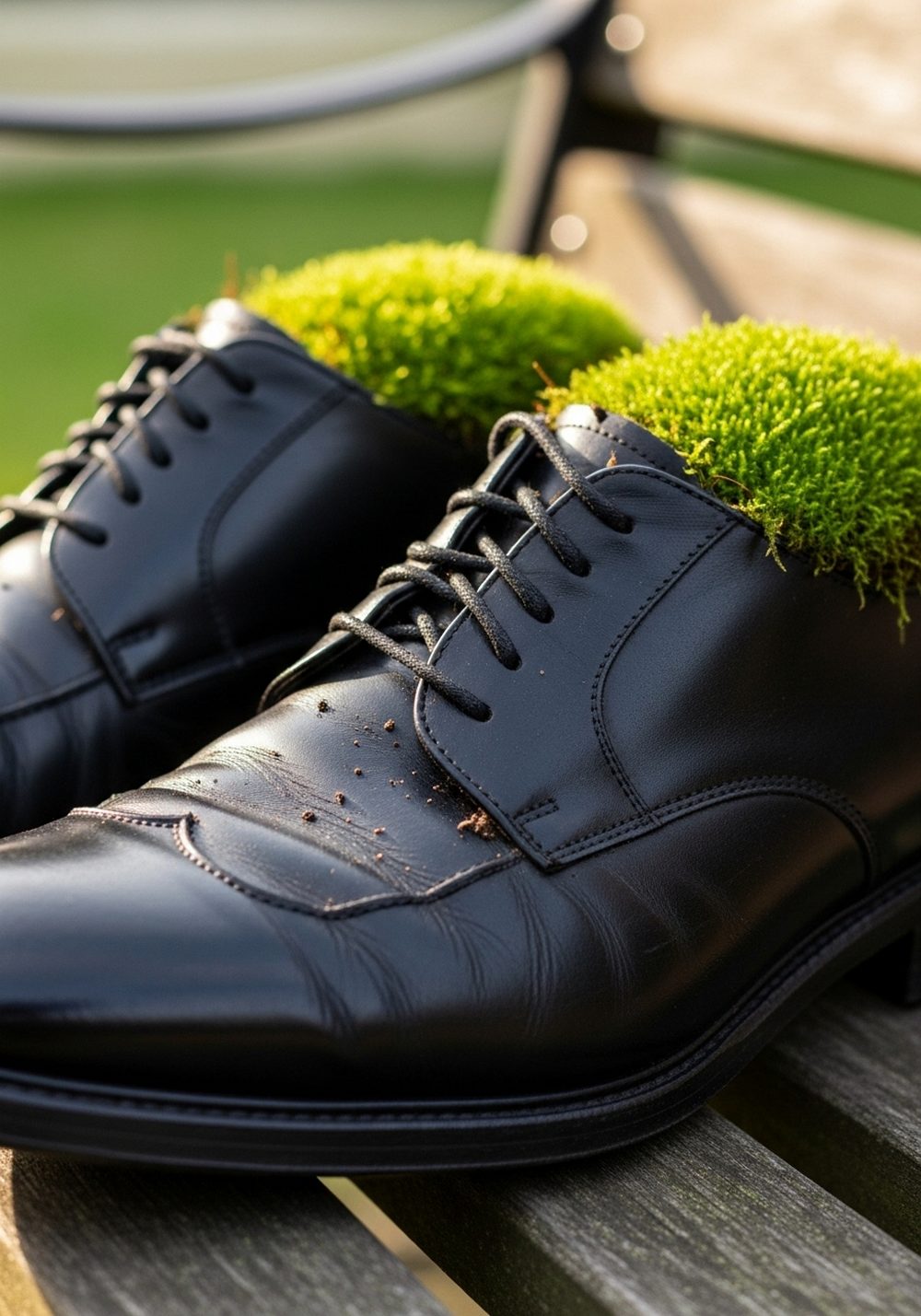
Old dress shoes and brogues look wonderfully poetic when filled with lush, green moss. Line the inside with a bit of plastic to protect the leather, then add a thin layer of moist compost and press in moss, letting it mound slightly above the shoe edges. Place the shoes on a bench, low wall, or stump in a shaded spot. The result feels like a tiny, enchanted landscape, soft to the eye and surprisingly calming to look at.
- Budget Tip: Use worn-out office shoes or formal footwear that’s no longer comfortable enough to wear.
- Styling Idea: Keep this palette simple: dark shoes and bright green moss for a minimal, elegant vibe.
- Best For: Shaded corners, woodland-style gardens, and calm seating areas.
- Practical Note: Avoid full sun, which dries moss quickly and fades leather.
- Care & Maintenance: Mist the moss regularly to keep it fresh and cushiony.
Design A Whimsical Shoe Fairy Path Border
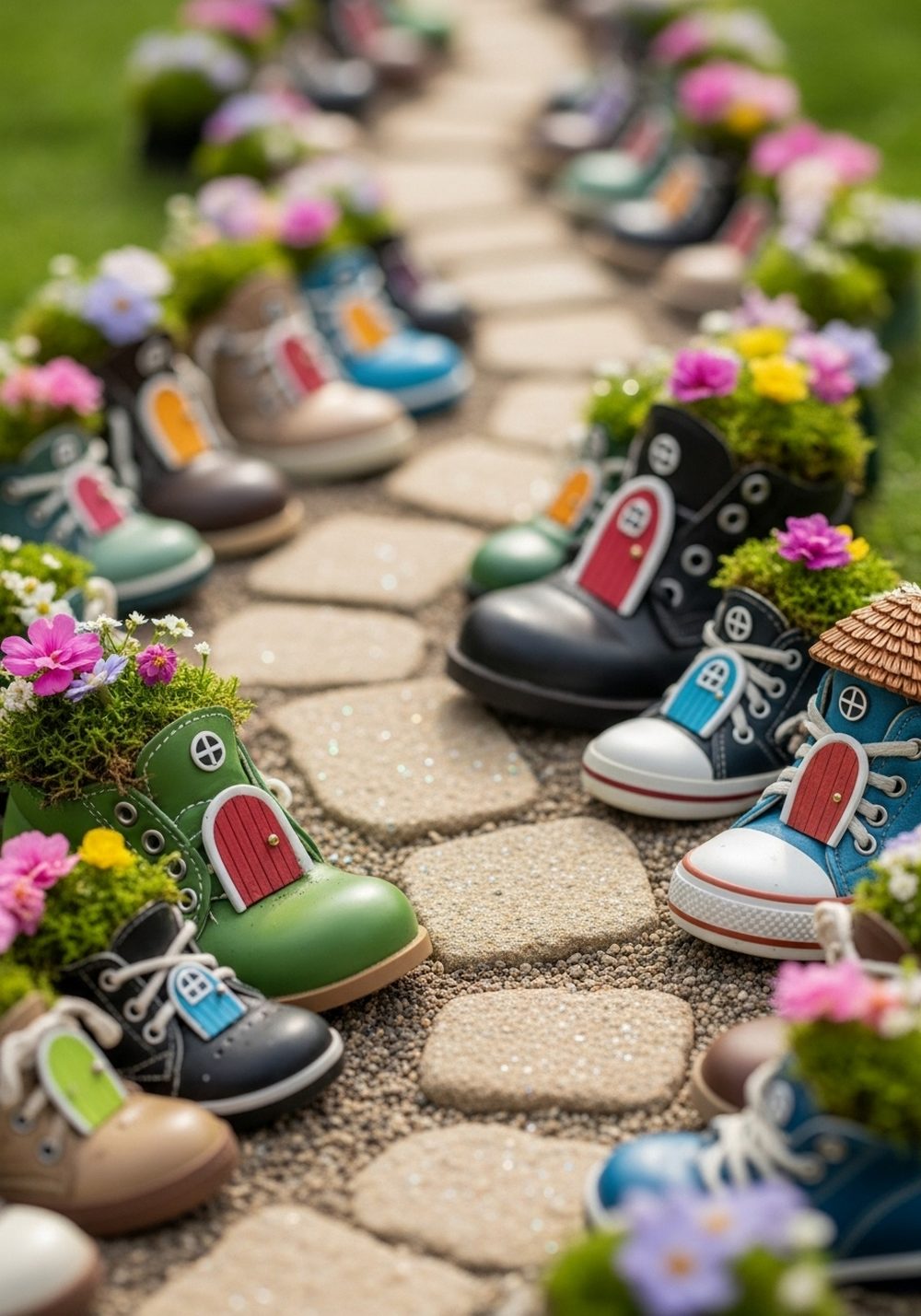
Turn old shoes into tiny fairy homes to edge a path or bed. Clean and dry each shoe, then glue on miniature doors, windows, and little decorations like beads or shells. Fill with soil and plant low-growing flowers, sedums, or moss to make it look like the fairies have gardens of their own. Line them along a path, alternating heights and colors, so walking through the garden feels like stepping into a storybook.
- Budget Tip: Use craft scraps, twigs, and pebbles for decorations instead of buying expensive miniatures.
- Styling Idea: Choose soft, pastel flowers and warm-toned shoes for a sweet, cottage-style fairy lane.
- Best For: Family gardens, children’s play areas, or any path you want to make more magical.
- Practical Note: Place the shoes slightly off the main walking line so they don’t get kicked or tripped over.
- Care & Maintenance: Re-glue decorations as needed and replace plants if little hands play too enthusiastically.
Conclusion
Recycled shoe planters are a simple way to turn clutter into something joyful, giving your garden a funny, cute personality that guests will remember. Whether you hang old trainers, line up rain boots, or build a tiny fairy shoe village, each idea adds color, texture, and a touch of humor. Start with one small shoe project using what you already have, then slowly build your own quirky shoe collection as your garden style grows.
FAQs
Q1. Do I need special tools to turn shoes into planters?
You don’t need much beyond a drill or strong nail for drainage holes, a screwdriver if you’re mounting shoes, and basic garden tools like a trowel. Most of the work is simply cleaning the shoes, adding holes, and filling them with soil. If you don’t have a drill, you can sometimes use existing cracks or soft areas and push through carefully with a nail.
Q2. How can I keep shoe planters affordable?
Start by using shoes you already own, especially pairs that are too worn to donate. Ask friends and neighbors if they have old shoes, and check thrift shops for heavily marked-down pairs. Use budget-friendly plants like cuttings, shared divisions from other gardeners, and seeds instead of buying lots of new plants. Painting and decorating with leftover craft supplies keeps costs very low.
Q3. Are shoe planters suitable for renters or balconies?
Yes, shoe planters are perfect for renters and small spaces because they’re portable and easy to remove. You can hang them on railings using hooks or straps that don’t damage the structure, or simply place shoes on trays to protect balcony floors. When you move out, just take the shoes with you and patch any small screw holes if needed.
Q4. What plants work best in recycled shoes?
Choose compact plants that don’t need deep roots, such as herbs (thyme, parsley, chives), small annual flowers, strawberries, moss, and succulents. Because shoes are shallow and can dry out fast, plants that tolerate short dry spells are ideal. Avoid large shrubs or anything that needs a lot of root space and constant moisture.
Q5. How do I stop shoe planters from rotting or smelling bad?
Good drainage is the key. Always add holes in the soles and a layer of gravel or small stones at the bottom. Don’t overwater, especially with leather shoes, and try to keep delicate fabrics under partial cover. If a shoe starts to break down, just see it as part of the charm, and either reinforce it with a liner or retire it to the compost and replace it with another recycled pair.
Q6. Are shoe planters safe for kids and pets?
They can be, as long as you choose non-toxic plants and place heavier shoes where they won’t fall on small toes. Avoid thorny or poisonous plants in spaces where children and pets play. Encourage kids to help with planting and watering, and make sure any screws, nails, or decorative bits are firmly attached and checked regularly.