10 Simple Pallet Raised Beds For Beginners Today

If you’ve got a few wooden pallets lying around and a patch of outdoor space, you’re already halfway to having your first raised garden bed. Pallet projects are perfect for beginners: they’re cheap, forgiving, and easy to customize, even if you only have a free afternoon and basic tools.
In this guide, you’ll find ten simple pallet raised bed ideas you can start building today. We’ll cover different shapes, heights, and layouts, plus small tweaks that make your space more welcoming and stylish. Whether you’re growing herbs on a balcony or veggies in a backyard, these ideas help you create neat, productive beds without complicated carpentry.
Quick List
- Single Pallet Starter Bed
- Double-Pallet Rectangle Veggie Bed
- Pallet Herb Strip Along The Fence
- Corner L-Shaped Pallet Bed
- Tiered Pallet Bed For Small Spaces
- Pallet Raised Bed On Legs (No-Dig)
- Pallet-and-Cinder-Block Combo Bed
- Kid-Friendly Mini Pallet Garden
- Pallet Raised Bed With Built-In Edge Seating
- Narrow Pallet Bed For Balconies Or Patios
1. Single Pallet Starter Bed

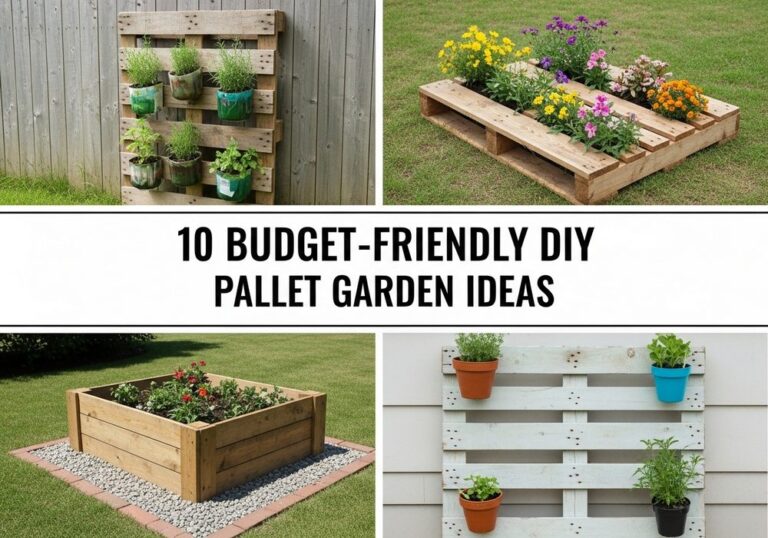
A single pallet starter bed is the easiest way to dip your toes into raised beds. You simply remove or cover the bottom slats, line the inside with weed fabric or cardboard, and fill with soil. The compact size is ideal for a first veggie patch, a salad garden, or a standout flower bed that frames a pathway or lawn. The rustic pallet wood instantly adds texture and structure, making your garden look more intentional without any fancy construction.
- Best For: Absolute beginners and small yards or side strips.
- Budget Tip: Use free pallets and leftover cardboard as your liner to cut costs.
- Styling Idea: Stain or whitewash the pallet to match your fence or outdoor furniture.
- Practical Note: Place it somewhere level so water spreads evenly through the soil.
- Care & Maintenance: Check annually for rot and replace damaged boards if needed.
2. Double-Pallet Rectangle Veggie Bed

If you want to grow more than a handful of plants, join two pallets end to end to make a longer rectangular bed. Secure them with screws or metal brackets so the frame feels solid, then line and fill with good-quality soil. The extra length lets you create tidy rows of tomatoes, beans, greens, or carrots, giving that “mini allotment” feel. This shape looks especially good along a fence or bordering a lawn, defining the growing space and keeping things neat.
- Best For: Beginner veggie growers who want a bit more planting space.
- Budget Tip: Fill the bottom half with cheaper bulk soil and top with a thinner layer of compost.
- Styling Idea: Edge the long sides with a line of small stones or bricks for a finished look.
- Practical Note: Leave enough space around the bed so you can walk and weed comfortably.
- Care & Maintenance: Add a thin layer of compost each season to keep the soil fertile.
3. Pallet Herb Strip Along The Fence

Turn a forgotten fence line into your own herb bar with a narrow pallet strip. Use a single pallet, cut the width down if needed, and set it right alongside the fence. Fill with rich soil and plant herbs in short rows: basil, thyme, mint (in a pot sunk into the soil), parsley, and chives. The long, slim bed acts like a green border that softens the fence and fills the air with scent every time you brush past.
- Best For: Small gardens that need greenery without taking up central space.
- Budget Tip: Start with a few herb seedlings and fill gaps with fast-growing annual flowers.
- Styling Idea: Add simple wooden markers or painted pebbles to label each herb.
- Practical Note: Keep mint contained in a buried pot to stop it from spreading.
- Care & Maintenance: Snip herbs regularly to encourage bushy growth and prevent them getting woody.
4. Corner L-Shaped Pallet Bed

An L-shaped pallet bed is brilliant for filling an empty corner on a patio or in a yard. Build two pallet boxes and place them at right angles, or cut and screw pallet slats into two matching legs. This shape wraps around a bistro set, bench, or reading chair, surrounding you with greenery while saving floor space. Plant taller flowers or tomatoes at the back and smaller plants at the front so you can see everything from your seating spot.
- Best For: Patio corners or awkward spaces that feel bare.
- Budget Tip: Use offcuts and mixed pallet boards; the slight mismatch adds rustic charm.
- Styling Idea: Coordinate plant colors on each leg (warm tones on one side, cool on the other).
- Practical Note: Leave enough space to access the inside corner for watering and weeding.
- Care & Maintenance: Check the inside corner for pooling water and top up soil where it settles.
5. Tiered Pallet Bed For Small Spaces

A tiered pallet bed stacks two or three shallow boxes to create height and extra planting space in a tiny footprint. Each level can hold something different: strawberries spilling over the edge, trailing flowers, or compact herbs. The stepped shape draws the eye up, making even the smallest yard or balcony look lush and layered. It’s also easier to reach plants at different heights without bending too much, which is a nice bonus.
- Best For: Small patios, courtyards, and narrow yards.
- Budget Tip: Build one tier at a time as you collect pallets, stacking them later.
- Styling Idea: Paint each tier a different soft color for a playful, cottage feel.
- Practical Note: Secure tiers together so they don’t shift, especially on hard surfaces.
- Care & Maintenance: Water from the top down and check lower levels stay evenly moist.
6. Pallet Raised Bed On Legs (No-Dig)

For anyone who hates bending or doesn’t want to disturb existing soil, a pallet bed on legs is ideal. You build a shallow box from pallet boards, attach sturdy legs, then line and fill it. The result is a waist-height growing table that works perfectly for salads, herbs, and small veggies. It looks neat on patios and balconies and instantly gives a “kitchen garden” vibe, like a mini raised allotment right outside your door.
- Best For: Renters, older gardeners, and anyone with mobility issues.
- Budget Tip: Use cut-down pallet blocks or scrap timber for the legs.
- Styling Idea: Place matching pots underneath the bed to store tools or add extra plants.
- Practical Note: Make sure the legs are secure and stable before filling with soil.
- Care & Maintenance: Use a lighter soil mix to avoid overloading the frame and check screws yearly.
7. Pallet-and-Cinder-Block Combo Bed

Combine pallet boards with cinder blocks for a bed that’s both sturdy and stylish. Set cinder blocks at the corners and along the sides, then fit pallet boards between them to form a frame. The blocks act as anchors and also provide little pockets for extra plants or flowers. This blend of textures suits modern, industrial, or urban gardens and looks fantastic on gravel or concrete. It’s a practical way to get height, structure, and extra planting spots all in one.
- Best For: Front yards, driveways, and urban plots with hard surfaces.
- Budget Tip: Fill cinder block holes with soil and plant low-cost succulents or hardy herbs.
- Styling Idea: Leave the blocks raw for an industrial look or limewash them for a softer feel.
- Practical Note: Check the ground is level so the blocks sit firmly and don’t wobble.
- Care & Maintenance: Brush off algae or moss from blocks if they get slippery.
8. Kid-Friendly Mini Pallet Garden

A low, mini pallet raised bed made just for children is a fun way to get them involved in gardening. Keep it shallow and easy to reach, then fill it with simple, quick-reward plants like radishes, sunflowers, nasturtiums, and strawberries. You can let kids paint the pallet sides or add their own stepping stones and decorations. The small size keeps things manageable and makes it feel like their own special plot within your bigger garden.
- Best For: Families who want a child’s “secret garden” zone.
- Budget Tip: Use seeds instead of plants and let kids enjoy watching everything sprout.
- Styling Idea: Invite children to decorate the sides with outdoor paint or handprints.
- Practical Note: Position it where you can see it from the house so watering isn’t forgotten.
- Care & Maintenance: Choose tougher plants that can handle enthusiastic watering and picking.
9. Pallet Raised Bed With Built-In Edge Seating

By adding a wide top board around your pallet bed, you create a simple seating ledge that doubles as a handy perch while gardening. The broad edge frames your planting and invites people to sit close to the flowers and herbs. It works beautifully around fire pits, along a pathway, or beside a social area. This small tweak turns a basic raised bed into a multi-purpose feature that looks intentional and thoughtfully designed.
- Best For: Social gardens where people gather and linger.
- Budget Tip: Use a single, smooth pallet board for each side rather than buying new timber.
- Styling Idea: Add outdoor cushions or a throw nearby to soften the look.
- Practical Note: Sand the seat edges well to avoid splinters and seal against the weather.
- Care & Maintenance: Re-oil or re-stain the seating board every year to keep it comfortable.
10. Narrow Pallet Bed For Balconies Or Patios

For very tight spaces, a narrow pallet bed that hugs the edge of your balcony or patio is a smart option. Cut the pallet down so it’s just wide enough for one or two rows of plants. Line it well to protect the surface underneath, then plant compact herbs, salad leaves, or dwarf flowers. The slim design adds a green border without swallowing the floor area, transforming a plain balcony into a small, stylish garden strip.
- Best For: Balconies, tiny patios, and renters with limited space.
- Budget Tip: Reuse old plastic bags or compost sacks as liners inside the pallet.
- Styling Idea: Choose plants with repeated colors to tie in with your outdoor cushions or rug.
- Practical Note: Check weight limits for balconies and use lightweight potting mix.
- Care & Maintenance: Water slowly so runoff doesn’t spill over onto neighbors or pathways.
Conclusion
Pallet raised beds are one of the quickest ways for beginners to turn an empty corner into a flourishing, decorative garden. With just a few basic tools, some soil, and a couple of free pallets, you can add structure, color, and life to almost any outdoor space. Start with one simple idea that fits your yard or balcony, then build on your success as your confidence grows. Before long, your DIY beds will look like they’ve always belonged there.
FAQs
1. Can I build a pallet raised bed on a very small budget?
Yes. Many places give pallets away for free, and you can line the inside with cardboard or reused plastic bags. Fill most of the depth with cheaper bulk soil, then finish with a top layer of compost. Start with a few affordable seedlings or packets of seed and gradually add more plants as your budget allows.
2. Are pallet raised beds suitable for renters who might move?
They can be. Choose smaller or legged pallet beds that sit on top of the ground rather than being fixed in place. Line the bottom well to protect patios or balconies. When you move, simply empty the soil into bags or a compost heap, then lift the bed and take it with you.
3. How do I make sure pallet wood is safe for growing vegetables?
Look for pallets that are stamped “HT” (heat-treated) rather than chemically treated and avoid any that smell strongly or look stained with unknown substances. Sand off rough splinters, and if you’re unsure, line the inside fully with thick plastic or pond liner so the soil doesn’t touch the wood directly.
4. What’s the easiest pallet bed style for complete beginners?
A simple single pallet starter bed laid directly on level ground is usually the easiest. You just make a box, line it, and fill it with soil. There’s very little measuring or cutting, and it quickly makes your garden look more organised. Once you’ve tried that, you can move on to double, corner, or tiered designs.
5. How can I decorate my pallet bed without creating extra maintenance?
Keep decor simple and durable: painted pallet sides, a few stones or bricks as edging, and maybe some sturdy garden ornaments. Avoid lots of small, delicate items that need constant moving for weeding or mowing. Choose hardy plants and weatherproof finishes so your beds stay attractive with minimal effort.
6. Do pallet raised beds work well on balconies?
Yes, as long as you keep them narrow and lightweight. Use cut-down pallets, a good liner, and light potting mix instead of heavy garden soil. Always check your balcony’s weight limits and place beds where water runoff won’t cause a problem. Compact herbs and salad leaves are great choices for these slim, decorative beds.