10 Cheap Garden Edging Ideas You Can Install In An Afternoon

If your garden beds blend into your lawn or paths, a simple edge can make everything look instantly neater and more intentional. The good news: you don’t need a big budget, fancy tools, or a full weekend to do it.
This guide is for home gardeners, renters, and anyone with an outdoor space that feels a bit messy around the edges. You’ll find quick, cheap garden edging ideas you can finish in a single afternoon, using easy-to-find or recycled materials. With just a little digging and arranging, you can frame your plants, tidy your borders, and give your garden that “finished” look you see in magazines.
Quick List
- Create A Reclaimed Brick Garden Edge
- Dig A Simple Gravel Trench Border
- Install Low Timber Plank Edging
- Make A Rustic Log Slice Garden Border
- Line Beds With Recycled Glass Bottles
- Use Half-Buried Terracotta Pots As Edging
- Add A Nautical Rope And Stake Border
- Lay A Straight Line Of Concrete Pavers
- Design A Curved Pebble And Board Edge
- Build An Upcycled Stone Rubble Edge
1. Create A Reclaimed Brick Garden Edge

A reclaimed brick edge instantly makes a border look classic and tidy. Lay a single row of old bricks on edge or flat along your bed, tapping them into a shallow trench so they sit level with each other. The warm tones of weathered brick contrast beautifully with green grass and dark soil, and the solid line stops lawn from creeping into your plants. You can keep it straight and formal or follow a gentle curve around beds and paths for a softer look.
- Best For: Front gardens, veggie beds, and cottage-style borders.
- Budget Tip: Source second-hand bricks from salvage yards, online marketplaces, or demolition sites.
- Styling Idea: Mix bricks with slightly different shades for a charming, timeworn feel.
- Practical Note: Use a string line to keep everything straight and a rubber mallet to tap bricks firmly in place.
- Care & Maintenance: Top up soil or sand between bricks if they shift after heavy rain.
2. Dig A Simple Gravel Trench Border

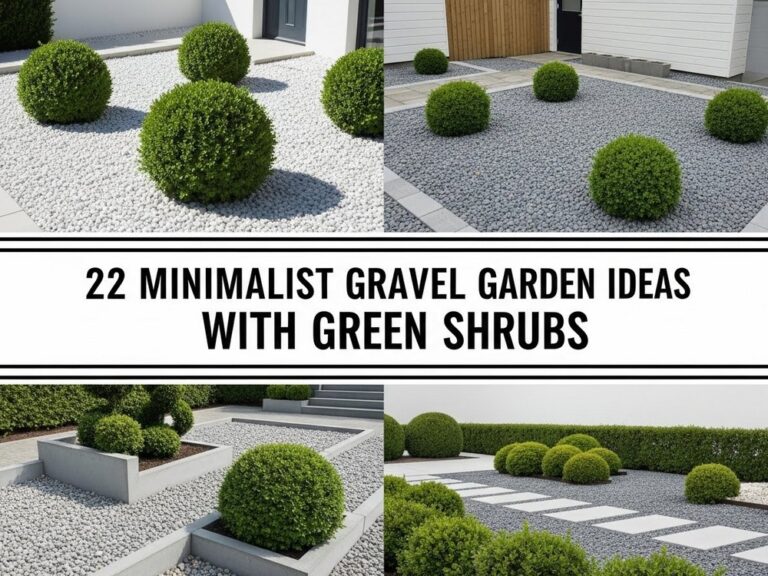
A narrow gravel trench is one of the easiest and cheapest edging options. Dig a shallow channel between your lawn and bed, about as wide as your spade, and line it with landscape fabric to reduce weeds. Fill it with small gravel or pebbles and level it off. This creates a crisp visual line and a physical barrier that makes mowing and edging easier. The light-colored stones also reflect light and subtly brighten the edge of your planting.
- Best For: Informal beds, modern gardens, and around patios or decks.
- Budget Tip: Buy gravel in bulk bags or share a delivery with a neighbor to save money.
- Styling Idea: Choose pale grey or cream gravel for a clean, contemporary look.
- Practical Note: Keep the trench slightly lower than the lawn so gravel doesn’t spill onto the grass.
- Care & Maintenance: Rake occasionally to smooth the surface and remove leaves.
3. Install Low Timber Plank Edging

Timber plank edging gives beds a simple, clean outline that works in almost any garden style. Cut treated boards to length, then sit them in a shallow trench with the top edge just above lawn level. Secure with stakes screwed to the back of the boards so everything stays upright. The straight line of wood frames your planting and keeps mulch and soil neatly contained. It’s quick to install and easy to adjust or extend later if you change your layout.
- Best For: Veggie gardens, raised beds, and straight paths.
- Budget Tip: Use basic fence boards or offcuts instead of expensive decorative edging.
- Styling Idea: Leave wood natural for a rustic feel or stain it dark for a modern, graphic edge.
- Practical Note: Choose timber rated for outdoor or ground contact to help it last longer.
- Care & Maintenance: Re-stain or seal every couple of years if you want to slow down weathering.
4. Make A Rustic Log Slice Garden Border

A border made from log slices has a charming, storybook feel and uses wood that might otherwise go to waste. Cut a branch or log into short sections, then stand each piece upright in a trench so the tops line up like a row of little posts. The exposed tree rings and bark add texture and height variation along the edge of your bed. It’s a lovely way to separate a naturalistic planting from lawn or path while keeping everything soft and organic.
- Best For: Woodland-style borders, shady corners, and informal beds.
- Budget Tip: Ask tree surgeons or neighbors for offcuts instead of buying timber.
- Styling Idea: Mix slightly different diameters for a relaxed, hand-made look.
- Practical Note: Tamp soil firmly around each log slice so they don’t wobble.
- Care & Maintenance: Expect the wood to slowly weather and replace pieces over time as needed.
5. Line Beds With Recycled Glass Bottles

Glass bottle edging turns recycling into a striking design feature. Push bottles upside-down into a narrow trench along your bed so the rounded bases create a dotty, jewel-like border. Mix green, clear, and amber bottles, or stick to one color for a more refined line. Sunlight will catch the glass and add sparkle along the edge, and the curved shapes soften the transition between lawn and planting. It’s quirky, fun, and surprisingly effective at keeping soil and mulch in place.
- Best For: Creative, boho-style gardens and small urban beds.
- Budget Tip: Collect bottles over time or ask friends, local cafes, or neighbors to save them for you.
- Styling Idea: Arrange bottles in a repeating color pattern for a coordinated, intentional look.
- Practical Note: Make sure bottles are firmly buried so they don’t tip or become a trip hazard.
- Care & Maintenance: Rinse off algae or soil occasionally to keep the glass sparkling.
6. Use Half-Buried Terracotta Pots As Edging

Half-buried terracotta pots make a pretty, scalloped border that looks decorative even before you plant anything. Dig a shallow trench and lay small pots on their sides, pushing them into the soil so only the curved rims show. You can leave them empty, fill them with soil and trailing plants, or tuck in herbs and low groundcovers. The warm clay color looks beautiful next to green foliage and gravel paths, adding a Mediterranean touch to almost any garden.
- Best For: Herb gardens, sunny borders, and patios with pots.
- Budget Tip: Hunt for mismatched or slightly chipped pots at discount stores or second-hand markets.
- Styling Idea: Mix pot sizes for a playful wave effect or keep them uniform for a neat, formal line.
- Practical Note: Angle the pots slightly downwards so they don’t collect stagnant water.
- Care & Maintenance: Check occasionally for cracks and replace any broken pots to keep the edge tidy.
7. Add A Nautical Rope And Stake Border

A rope and stake border gives your garden a gentle, coastal feel without blocking views of your plants. Hammer short wooden stakes along the edge of a bed or path, then thread a thick natural rope through drilled holes or simply loop it around each post. The rope creates a soft, visible boundary that guides feet away from delicate plants, while the line of stakes adds rhythm along the edge. It’s light, airy, and perfect for framing gravel or sandy areas.
- Best For: Coastal-style gardens, gravel paths, and informal beds.
- Budget Tip: Use simple untreated stakes and a standard natural fiber rope.
- Styling Idea: Pair with grasses, lavender, and white flowers for a breezy seaside mood.
- Practical Note: Keep stakes low so they don’t feel like a fence but still clearly mark the border.
- Care & Maintenance: Replace rope when it becomes very worn or brittle from the weather.
8. Lay A Straight Line Of Concrete Pavers

Concrete pavers are cheap, tough, and ideal when you want a neat, low edge in a hurry. Dig a shallow, straight trench along your bed, add a thin layer of sand, and place the pavers end to end. Tap them level with a mallet so their tops sit just above lawn height. This creates a clean boundary that’s easy to mow against, stopping grass from invading your beds. The simple rectangular shapes look modern and understated, letting your plants take center stage.
- Best For: Modern gardens, lawns with crisp lines, and around patios.
- Budget Tip: Choose basic, untextured pavers rather than decorative ones to keep costs low.
- Styling Idea: Use long, narrow pavers for an elegant, streamlined look.
- Practical Note: Check levels with a spirit level so water doesn’t pool along the edge.
- Care & Maintenance: Sweep or hose off dirt and algae when the pavers start to look dull.
9. Design A Curved Pebble And Board Edge

Combine a slim wooden board with a strip of pebbles to create a gentle, flowing edge around beds. Lay the board to define the curve, then dig a narrow trench just inside it and fill it with small stones. The wood sets the line, while the pebbles add brightness and texture, helping to highlight the curve against a darker mulch or lawn. This edging idea feels both natural and designed, and it’s easy to tweak by shifting the board or adding more stones.
- Best For: Curved borders, mixed planting beds, and around small trees.
- Budget Tip: Use inexpensive decking boards or leftover timber, and bulk bags of pebbles.
- Styling Idea: Choose white or pale pebbles to make the curves really stand out.
- Practical Note: Peg the board in a few places so it doesn’t move as you fill in the stones.
- Care & Maintenance: Top up pebbles occasionally where they thin out or sink into the soil.
10. Build An Upcycled Stone Rubble Edge

If you have access to broken concrete, old paving, or leftover rocks, you can turn them into a charming stone rubble edge. Simply stack pieces along the border of your bed, nestling them slightly into the soil so they lock together. Mix sizes and shapes but keep a relatively level top line for a tidy finish. The rough textures and varied tones make your plants pop, and the border feels like it’s always been there, especially once a bit of moss or groundcover finds its way into the gaps.
- Best For: Rustic gardens, sloping beds, and naturalistic plantings.
- Budget Tip: Source rubble from your own projects or ask around locally for free hardcore.
- Styling Idea: Combine with wildflowers and grasses for a relaxed, country feel.
- Practical Note: Place heavier, flattest stones at the bottom to keep the border stable.
- Care & Maintenance: Reposition any rocks that shift after frost or heavy rain.
Conclusion
Cheap garden edging doesn’t need to look flimsy or temporary. With a free afternoon, a shovel, and a few simple materials, you can give your beds and paths a crisp outline that instantly upgrades your whole garden. Start with one edge that bothers you most—maybe the front path or your main flower bed—and try one of these easy ideas. Once you see the difference a clear border makes, you’ll be tempted to keep going, one neat edge at a time.
FAQs
Q1. What is the cheapest garden edging I can do in an afternoon?
Some of the cheapest options are gravel trenches, upcycled stone rubble, and borders made from reclaimed bricks or wood offcuts. These use basic or recycled materials you can often find for free or very low cost. The main “expense” is your time and a bit of digging.
Q2. Are these edging ideas suitable for renters who can’t make permanent changes?
Yes, many of them are renter-friendly. Rope and stake borders, bottle edging, terracotta pot borders, and loose stone edges can be removed later with minimal trace. Avoid using concrete or anything glued together if you know you’ll need to restore the space.
Q3. How do I make sure my edging survives bad weather?
Prepare the base well: dig to firm ground, tamp soil down, and use sand or gravel where appropriate. Choose treated timber, outdoor-rated rope, and stable stone placements. Check edges after heavy rain or frost and quickly reset any pieces that have shifted.
Q4. What edging works best for very small gardens or narrow beds?
In tight spaces, choose slim options that don’t eat into your planting area, such as gravel trenches, single rows of bricks, or metal/wood planks. These give a neat, defined line without making the bed feel cramped, and they’re still quick to install in an afternoon.
Q5. How can I keep these edging ideas low-maintenance?
Use weed membrane under gravel or pebble edges, and keep soil slightly lower than the edging so mulch stays put. Mow and trim regularly along the border so grass doesn’t creep in. Choose robust materials—like brick, stone, or treated wood—so you only need the occasional tidy-up rather than full replacements.