25 DIY Raised Bed Vegetable Corner Ideas
If you’ve got a spare corner in your yard, patio, or balcony, you’re sitting on a lot of untapped growing space. Raised beds are one of the easiest ways to turn awkward edges into neat, productive vegetable gardens that look good year-round.
In this post, you’ll find 25 DIY raised bed vegetable corner ideas, from simple wooden boxes to clever storage solutions and balcony-friendly planters. Each idea is designed to be realistic, budget-conscious, and beginner-friendly, helping you create a corner that’s both beautiful and useful. Pick one design that suits your space and style, and start building your own mini kitchen garden.
Quick List
- L-Shaped Cedar Corner Veggie Bed
- Tiered Corner Box For Leafy Greens
- Corner Bed With Built-In Bench
- Brick-Edged Corner Salad Patch
- Metal Trough Corner Planter
- Pallet-Framed Corner Veggie Garden
- Corner Keyhole Raised Bed
- Corner Herb And Veggie Staircase
- Corner Bed With Trellis Backdrop
- Corner Veggie Bed Around A Tree
- Corner Bed With Gravel Sitting Nook
- Corner Cinder Block Veggie Wall
- Corner Hugelkultur Veggie Mound
- Corner Stock Tank Kitchen Garden
- Corner Veggie Bed With Cold Frame Lid
- Corner Bed With Integrated Compost Bin
- Corner Veggie Bed On A Small Balcony
- Narrow Corner Veggie Strip Bed
- Corner Veggie Bed With Pathway Edging
- Corner Vegetable And Flower Mix Bed
- Corner Bed With Decorative Obelisk
- Corner Veggie Bed With Drip Irrigation
- Corner Raised Bed In A Kids’ Play Area
- Corner Veggie Bed With Storage Front
- Corner Vertical Pocket Veggie Bed
L-Shaped Cedar Corner Veggie Bed

An L-shaped cedar bed hugs the corner of your fence and instantly makes that dead space feel intentional. Build two simple raised boxes and join them at a right angle, leaving enough width to reach in from the front. Fill with good soil and plant easy vegetables like bush beans, lettuce, and herbs. Add a narrow strip of gravel or pavers along the front so you can harvest without stepping in mud, and you’ve got a clean, structured kitchen corner.
- Best For: Backyard corners with decent sun and awkward angles.
- Budget Tip: Use untreated pine if cedar is too pricey and line the inside with landscape fabric.
- Styling Idea: Keep the lines straight and pair with neutral gravel for a modern, calm look.
- Practical Note: Keep the height around knee to mid-thigh so you can reach the back easily.
Tiered Corner Box For Leafy Greens

Stacking three or four wooden boxes into a stepped triangle lets you grow a lot of leafy greens in a tight corner. Build each layer slightly smaller and place them like a staircase so every tier gets light. Plant the bottom with lettuces, the middle with spinach and rocket, and the top with taller kale or chard. The height adds visual interest, and the different textures of leaves make the corner feel rich and full.
- Best For: Shady-to-part-sun corners that won’t suit tomatoes or peppers.
- Budget Tip: Make boxes from offcuts or reclaimed decking boards cut to size.
- Styling Idea: Stain all tiers the same warm tone so the structure looks intentional, not pieced together.
- Practical Note: Add a thin layer of gravel or bark around the base to keep splashing soil off the lower plants.
Corner Bed With Built-In Bench

Combining seating with your raised bed turns a forgotten corner into a spot you actually use. Build the bed along both fences and add a sturdy plank along the front edge as a bench top, supported by the frame. Plant herbs and compact veggies behind you so you literally sit in the garden. Add a couple of outdoor cushions and a small side table, and it becomes an evening relaxation corner as well as a productive patch.
- Best For: Small yards where you want both seating and growing space.
- Budget Tip: Use basic construction lumber and seal it well instead of more expensive furniture-grade boards.
- Styling Idea: Choose cushion covers that pick up the greens and soft browns in the garden for a cohesive mood.
- Practical Note: Make the bench wide and strong enough to support adults comfortably and safely.
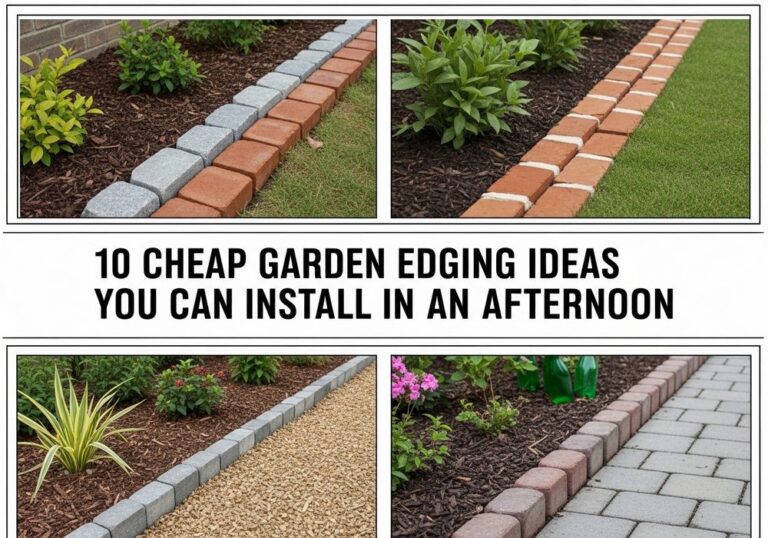
Brick-Edged Corner Salad Patch

A raised bed edged with bricks or pavers instantly makes a corner look finished and permanent. Stack bricks one or two courses high in a square or rectangle that fits your corner, then fill with soil. Plant it densely with salad crops: lettuces, radishes, spring onions, and a border of edible flowers. The warm tones of the bricks against fresh greens are simple but striking, and the solid edge doubles as a handy perch while you weed or harvest.
- Best For: Gardeners who want a traditional, slightly formal look.
- Budget Tip: Look for reclaimed bricks or leftover pavers from other projects.
- Styling Idea: Keep the layout symmetrical and stick to a limited plant palette for a calm, classic feel.
- Care & Maintenance: Brush dirt off brick edges occasionally so moss and weeds don’t take over the gaps.
Metal Trough Corner Planter

A galvanized trough sitting in a corner gives you an instant raised bed with no building required. Simply position it on pavers or bricks, drill a few drainage holes if needed, and fill with soil. Grow cherry tomatoes, dwarf peppers, and basil in one neat container. The cool metal contrasts nicely with soft foliage and looks especially good in modern, minimal gardens. It’s also easy to move if you change your layout or you’re renting.
- Best For: Patios, rentals, and anyone avoiding digging.
- Budget Tip: Compare stock tanks, old animal troughs, or generic metal planters and choose what’s cheapest locally.
- Styling Idea: Pair with black metal furniture or simple wooden stools for a clean, industrial feel.
- Practical Note: Elevate slightly on bricks so extra water can drain away freely.
Pallet-Framed Corner Veggie Garden

Pallets are a great way to frame a corner bed on a budget. Stand two pallets vertically along the fences and secure them, then build a simple rectangular bed at their base. Use the pallets like rustic walls: hang tools, small pots, or decorative signs on them. In the bed, plant carrots, dwarf beans, and marigolds. The rough timber adds texture and gives the corner a handcrafted, slightly boho look while still being very practical.
- Best For: DIY lovers who enjoy reclaimed materials.
- Budget Tip: Ask local stores for free pallets and sand any rough edges before use.
- Styling Idea: Leave the wood natural or give it a light wash of outdoor paint for a softer look.
- Practical Note: Check pallets are untreated and safe for growing food before using them.
Corner Keyhole Raised Bed

A keyhole bed fits beautifully into a corner and makes every inch reachable. Build a quarter-circle or L-shaped raised bed, then leave a small path “bite” into the middle so you can step in. A tiny compost cage can sit at the inner angle if you like. Plant a mix of greens and compact fruiting crops, rotating what you grow across the curved sections. The bed looks soft and organic instead of boxy, which suits informal gardens especially well.
- Best For: Gardeners who want maximum access and productivity in a small space.
- Budget Tip: Use flexible edging boards or cut straight boards into short segments to mimic a curve.
- Styling Idea: Pair the curved edge with rounded stepping stones for a gentle, flowing layout.
- Practical Note: Keep the path wide enough for stable footing when carrying a watering can or basket.
Corner Herb And Veggie Staircase

Building a simple “staircase” of boxes in a corner lets you use height without needing a big footprint. Make three or four stepped levels and fill them with herbs, strawberries, and small tomatoes. Each tier catches light at a slightly different angle, and the layers of foliage look lush. This setup is also easy to water and harvest because everything is right at hand height. It feels a bit like a living shelf packed with useful plants.
- Best For: Narrow corners and patio or balcony edges.
- Budget Tip: Start with two tiers and add more boxes as time and money allow.
- Styling Idea: Paint the box fronts a single soft color to tie them together visually.
- Care & Maintenance: Check the top tiers more often in hot weather; they dry out faster than the bottom.
Corner Bed With Trellis Backdrop

Adding trellis panels to a corner essentially gives your vegetables their own stage. Attach wood or metal trellis to each fence side, then build a raised bed at the base. Plant climbers like peas, beans, or cucumbers to cover the trellis in green, and fill the front with compact herbs or lettuces. Twine some string lights through the trellis if you enjoy evenings outside. The vertical growth doubles your planting area and softens a plain fence beautifully.
- Best For: Sunny corners with boring fences that need softening.
- Budget Tip: Use simple wire mesh or cattle panel sections if decorative trellis is expensive.
- Styling Idea: Choose one climbing plant color scheme (all green, or purple beans, etc.) for a strong visual theme.
- Practical Note: Make sure the trellis fixings are sturdy enough to handle wind and the weight of mature vines.
Corner Veggie Bed Around A Tree

If you’ve got a tree in the corner, a low raised bed around it can make the area productive without harming the roots. Build a curved bed that follows the fence line but leaves a gap around the trunk for airflow and water. Fill it with shade-tolerant vegetables and herbs, and consider some edible ground covers. The result is a calm, cool corner with layered greenery and dappled light. It’s more about gentle abundance than precise rows.
- Best For: Shady corners under existing trees.
- Budget Tip: Use simple stacked stones or leftover bricks for a natural, low-cost edge.
- Styling Idea: Add a rustic stool or log seat nearby to match the woodland feel.
- Practical Note: Avoid piling soil directly against the tree’s trunk to keep it healthy.
Corner Bed With Gravel Sitting Nook

Turning the space in front of a corner bed into a tiny sitting area makes your vegetable patch feel like a destination. Place a square bed in the corner and lay gravel in a triangle in front, just big enough for a bistro chair and a small table. Grow fragrant plants like basil and tomatoes so you can enjoy their scent when you sit down. It’s a simple layout but feels surprisingly special once you’re tucked into the corner.
- Best For: Small gardens where every bit of seating counts.
- Budget Tip: Use compacted crushed stone or bark chips if decorative gravel is pricey.
- Styling Idea: Choose a slim metal chair and table to keep the area airy and uncluttered.
- Practical Note: Add a stepping stone or two from the main path to keep shoes clean.
Corner Cinder Block Veggie Wall

Cinder blocks make a strong, modular raised bed that doubles as a vertical planter. Stack them to form two short walls meeting in the corner, with the holes facing upward. Fill the holes with soil and herbs, and the interior space with your main vegetable crops. The repeating shapes create a bold pattern, and trailing plants soften the structure. It’s a great use of inexpensive materials that still looks intentionally designed.
- Best For: Budget-conscious gardeners who like a modern, industrial edge.
- Budget Tip: Use secondhand blocks where possible and stack only one or two high to save money.
- Styling Idea: Plant the block holes with all one type of herb for a clean, graphic effect.
- Practical Note: Check everything is level and stable before filling with soil and planting.
Corner Hugelkultur Veggie Mound

Hugelkultur uses buried wood and organic matter to create a raised, self-feeding bed. In a corner, shape a gentle mound against the fence and top it with rich soil. Plant deep-rooted crops near the top and trailing plants near the edges. The result looks more like a natural mound than a box, which can soften sharp garden lines. Over time, the buried wood breaks down, feeding the plants and holding moisture.
- Best For: Gardeners with lots of branches or logs to use up.
- Budget Tip: Use fallen branches, leaves, and grass clippings as the base instead of buying extra soil.
- Styling Idea: Edge the base with low stones or logs to give the mound a defined outline.
- Care & Maintenance: Mulch well to help hold moisture and further soften the look.
Corner Stock Tank Kitchen Garden

A stock tank in a corner is almost like a ready-made raised bed with a sleek finish. Once you add drainage and soil, you can plant a full “kitchen garden” mix: tomatoes, herbs, salad leaves, and a border of marigolds. The rounded shape feels softer than a box and fits beautifully into corners when tucked in at an angle. It works particularly well in more contemporary or farmhouse-style outdoor spaces.
- Best For: People wanting a long-lasting, no-build solution.
- Budget Tip: Compare different tank sizes; a medium one is often enough and cheaper than a huge model.
- Styling Idea: Place a couple of lanterns or pots on either side to frame the tank visually.
- Practical Note: Because it’s deep, fill the bottom with branches or rubble to reduce soil costs.
Corner Veggie Bed With Cold Frame Lid

Adding a cold frame lid to a corner bed is an easy way to grow earlier and later in the season. Build a typical rectangular raised bed and add a simple hinged frame on top, fitted with clear panels. In cold weather, close the lid; on warm days, prop it open. The structure gives the corner a neat, purposeful look, almost like a mini greenhouse. It’s especially handy for sowing salads and herbs when nights are still chilly.
- Best For: Gardeners in cooler climates or with short seasons.
- Budget Tip: Use reclaimed windows or clear roofing offcuts for the lid panels.
- Styling Idea: Paint the lid frame to match other garden woodwork for a coordinated effect.
- Practical Note: Install sturdy hinges and an easy prop so you can open and close it quickly.
Corner Bed With Integrated Compost Bin

Combining a raised bed and compost bin in one corner design saves space and keeps your system tidy. Build an L-shaped bed and use the inside corner to house a slatted or lidded compost section. As scraps break down, you can pull finished compost straight into the bed. It makes the corner feel like a little working hub of the garden. The compost area can be slightly taller, adding an interesting change of height.
- Best For: Small gardens where separate compost space is limited.
- Budget Tip: Build the compost section from the same boards as the bed to avoid extra materials.
- Styling Idea: Keep the exterior simple and let the lush plants be the visual focus.
- Practical Note: Make sure the lid is easy to lift and has good airflow for healthy composting.
Corner Veggie Bed On A Small Balcony

On a balcony, a corner planter box becomes your main “ground-level” bed. Build or buy a waist-high box that fits against the railing and fill it with lightweight potting mix. Plant compact tomatoes, salad greens, and herbs, and use the railing for a bit of support if needed. Add fairy lights along the balcony edge and a small chair nearby so you can sit right beside your mini farm. It feels like a tiny garden room suspended above the street.
- Best For: Renters and apartment dwellers with limited outdoor space.
- Budget Tip: Use lightweight crates lined with fabric if building a full planter is too costly.
- Styling Idea: Keep the plant palette simple so the corner feels calm, not overcrowded.
- Practical Note: Check weight limits and always use trays to catch runoff on balconies.
Narrow Corner Veggie Strip Bed

A narrow strip leading into a corner can be more productive than it looks. Edge the strip with low boards to create a shallow raised bed, then plant in single or double rows. Carrots, onions, and dwarf beans all work well. The long, skinny bed draws the eye toward the corner and can make a small garden feel deeper. It’s a neat way to use space that might otherwise go to waste along a fence.
- Best For: Slender side yards and paths that end in a corner.
- Budget Tip: Use the thinnest boards you can get away with and keep the height modest.
- Styling Idea: Add evenly spaced stepping stones along one side for a clean, orderly look.
- Practical Note: Choose crops that don’t need much width and keep tall plants to the very end.
Corner Veggie Bed With Pathway Edging

Designing your corner bed so it lines up with a path creates a sense of flow through the garden. Place a square or rectangular bed in the corner and extend the same edging material along a simple path. As you walk, the vegetables become a natural focal point, guiding visitors’ eyes. The path also makes it easier to access the bed without trampling nearby soil, keeping the whole area neat and easy to maintain.
- Best For: Gardens where you want structure and clear routes.
- Budget Tip: Use simple gravel with inexpensive edging rather than full paving.
- Styling Idea: Match the path edging to other garden borders for a unified layout.
- Practical Note: Make the path wide enough for a wheelbarrow if you can manage it.
Corner Vegetable And Flower Mix Bed

Blending vegetables with flowers in a corner bed gives you beauty and harvest from the same space. Put taller sunflowers or climbing beans at the back and mix in zinnias, calendula, lettuce, and rainbow chard at the front. The corner becomes a bright, buzzing patch full of color and life. It’s a great way to support pollinators while still growing food, and it brings a cheerful, cottage-garden feel to plain fences.
- Best For: Gardeners who value looks as much as yields.
- Budget Tip: Grow many plants from seed to fill the bed affordably.
- Styling Idea: Choose a color theme (warm oranges/yellows or cool pinks/purples) to avoid visual clutter.
- Care & Maintenance: Deadhead flowers regularly to keep blooms coming and beds looking tidy.
Corner Bed With Decorative Obelisk

A decorative obelisk in a corner bed acts like garden sculpture that also grows dinner. Build or buy a tall, pyramid-shaped support and place it at the back angle of a square bed. Plant climbing peas, beans, or cucumbers to twist around it. Fill the rest of the bed with low greens and herbs. The vertical feature draws the eye upward, giving the corner height and elegance. It’s a simple addition that looks surprisingly polished.
- Best For: Formal or semi-formal gardens that need a focal point.
- Budget Tip: Make your own obelisk from straight sticks or bamboo tied together.
- Styling Idea: Paint a wooden obelisk in a soft, muted color to stand out against green foliage.
- Practical Note: Anchor the base well so it stays steady in wind and under the weight of crops.
Corner Veggie Bed With Drip Irrigation

Adding a drip system to a corner raised bed is a small upgrade that makes a big difference. Lay drip tubing or soaker hose along each row and connect it to a simple timer. Your tomatoes, peppers, and herbs will get steady water without you standing there with a hose every evening. The bed itself can be very simple; the tidy lines of the irrigation make it look purposeful and well planned.
- Best For: Busy gardeners or hot, dry climates.
- Budget Tip: Start with a basic kit and expand later if you add more beds.
- Styling Idea: Hide main hoses along the fence or under mulch so only the neat rows show.
- Practical Note: Check emitters occasionally to make sure they aren’t clogged and adjust timing seasonally.
Corner Raised Bed In A Kids’ Play Area

Making space for vegetables in a children’s play corner turns gardening into a hands-on activity. Build a low bed where kids can easily reach and paint the boards in bright, fun colors. Plant easy, fast crops like peas, radishes, and strawberries they can snack on. Add a couple of stepping stones and small hand tools. The corner feels playful and inviting, and children learn to care for plants while they play nearby.
- Best For: Families wanting to involve kids in gardening.
- Budget Tip: Use offcut boards and leftover outdoor paint for the bed.
- Styling Idea: Let children decorate the bed edge with simple patterns or handprints.
- Practical Note: Avoid thorny or poisonous plants and keep the bed height low for safety.
Corner Veggie Bed With Storage Front

A raised bed with built-in storage at the front keeps clutter under control. Build the bed a bit higher and incorporate doors or a hinged panel along the front to create a shallow cabinet underneath. Store gloves, hand tools, and small watering cans inside. The visible face looks like a neat piece of outdoor furniture, while the plants above soften everything. It’s a smart way to keep your corner tidy and efficient.
- Best For: Small gardens where tools and gear usually end up scattered.
- Budget Tip: Use simple plywood behind a nicer-looking front board to keep costs down.
- Styling Idea: Add simple handles that match other hardware in your outdoor area.
- Practical Note: Ensure the storage area stays dry by raising it slightly off the ground.
Corner Vertical Pocket Veggie Bed

A vertical pocket planter above a low raised bed gives you two layers of growing in a single corner. Hang a fabric or wooden pocket system on the fence and plant it with herbs, strawberries, and baby greens. Below, use the raised bed for slightly larger vegetables. The result is a leafy wall of food with a soft, layered feel. It’s especially handy in tiny yards or patios where ground space is limited but you still have fence height to use.
- Best For: Very small gardens, patios, and courtyards.
- Budget Tip: Make your own pockets from durable fabric or repurposed shoe organizers.
- Styling Idea: Keep the pocket colors neutral so the plants remain the main feature.
- Care & Maintenance: Water vertical pockets carefully; they dry out faster than ground-level beds.
Conclusion
Raised beds are one of the easiest ways to turn forgotten corners into productive, attractive spaces. Whether you’re working with a balcony, a narrow side yard, or a regular backyard corner, there’s a DIY idea here that can work for you. Start with one simple design that matches your skill level and budget, then gradually add more beds or features as your confidence grows. Before long, those awkward edges will be some of the most beautiful and useful spots in your garden.
FAQs About Garden Decor Ideas
1. How can I build a corner raised bed on a small budget?
Focus on simple shapes and readily available materials. Untreated pine boards, reclaimed pallets, cinder blocks, or bricks can all be turned into sturdy beds. Keep the height modest, fill the bottom with sticks or coarse material, and use compost mixed with garden soil to reduce costs. Start with one small bed and expand later.
2. Are these corner raised beds suitable for renters?
Yes, many of these ideas can be made non-permanent. Metal troughs, stock tanks, balcony boxes, and freestanding wooden beds can all be placed on pavers or gravel without digging. When you move, you can empty the soil into the garden (with permission) and take the structure with you, or leave it as a bonus for the next tenant.
3. What’s the easiest corner raised bed for beginners to try first?
A simple rectangular box or a metal trough planter is usually the easiest. They don’t need complex joins or curves, and you can place them directly into a corner on a level surface. Start with forgiving crops like salad greens, herbs, and cherry tomatoes. Once you’re comfortable with watering and feeding, you can experiment with more elaborate designs.
4. How do I make sure my corner bed doesn’t rot or fall apart quickly?
Use rot-resistant or well-sealed wood, keep soil from constant contact with the outside by lining the inside if needed, and ensure good drainage so water isn’t trapped. Avoid burying wooden edges deeply in damp soil. Checking once or twice a year for loose screws or bowed boards and fixing issues promptly will extend the bed’s life.
5. Can I safely mix decor items and vegetables in these corner beds?
Yes, as long as you choose decor that’s sturdy, stable, and made from safe materials. Use lanterns, small stools, cushions, and trellises to add comfort and style, but avoid anything that might tip into plants or leach harmful substances into the soil. Leave enough clear space around plants for airflow and easy harvesting, and keep candles or hot lights away from foliage.